
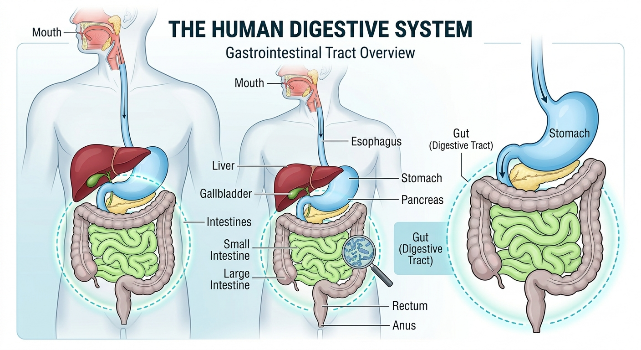
Gut health is one of the most important aspects of overall well-being, yet it is often overlooked. Your gut, also known as the digestive system, plays a critical role in breaking down food, absorbing nutrients, and supporting your immune system. It also communicates with your brain through the gut-brain axis, influencing mood, energy, and even mental health. When your gut is not functioning properly, it can lead to a wide range of health issues, both physical and mental. Recognizing the warning signs of poor gut health is essential for preventing serious problems and improving overall quality of life. In this article, we will explore the most common warning signs of poor gut health, discuss the causes behind them, and provide actionable steps to improve gut function naturally.
What is Gut Health
Gut health refers to the balance of microorganisms living in your digestive tract, including bacteria, viruses, fungi, and other microbes. These microorganisms, collectively called the gut microbiome, help with digestion, nutrient absorption, immune function, and even hormone regulation. A healthy gut microbiome has a wide variety of beneficial bacteria that work together to maintain balance, whereas an unhealthy gut may have an overgrowth of harmful bacteria, yeast, or other pathogens.
Maintaining good gut health is not only about digestion. Studies show that a compromised gut can contribute to chronic inflammation, autoimmune diseases, obesity, diabetes, anxiety, and depression. The modern lifestyle, including processed foods, antibiotics, stress, and lack of sleep, can all negatively impact gut health.
Common Warning Signs of Poor Gut Health
Here are some of the most important warning signs that your gut may not be in optimal condition. Being aware of these symptoms can help you take early action before more serious issues develop.
1. Digestive Issues
Digestive problems are the most obvious signs of poor gut health. These include:
- Bloating: Feeling full or swollen after meals, often caused by imbalance in gut bacteria.
- Gas and Flatulence: Excessive gas can result from the breakdown of certain foods by harmful bacteria.
- Diarrhea or Constipation: Irregular bowel movements may indicate that your gut microbiome is disrupted.
- Heartburn or Acid Reflux: Poor digestion can lead to acid escaping from the stomach into the esophagus.
If digestive discomfort happens frequently, it may be time to assess your gut health and adjust your diet and lifestyle.
2. Unexplained Weight Changes
A sudden increase or decrease in weight without changes in diet or activity level can be linked to gut health. The gut plays a key role in nutrient absorption, metabolism, and fat storage. Poor gut health can cause difficulty losing weight due to disrupted metabolism or unintentional weight loss due to malabsorption of nutrients. Research suggests that imbalances in gut bacteria can affect hormones related to hunger and fat storage, making weight management more challenging.
3. Food Intolerances
Frequent bloating, gas, or diarrhea after eating certain foods may indicate food intolerances linked to gut health. Unlike food allergies, intolerances are usually caused by difficulty digesting specific foods, such as lactose, gluten, or certain sugars. Poor gut health can compromise the digestive system and trigger these reactions.
4. Sleep Disturbances and Fatigue
The gut produces and regulates many hormones, including serotonin, which influences sleep and mood. An unhealthy gut can disrupt the production of serotonin, leading to trouble falling or staying asleep, poor sleep quality and chronic fatigue, even after adequate rest. This shows how gut health is connected to overall energy levels and mental clarity.
5. Skin Issues
Skin problems like acne, eczema, rosacea, or unexplained rashes can be linked to poor gut health. The gut-skin axis explains how the gut microbiome communicates with the skin. Inflammation in the gut can trigger inflammation in the skin, causing flare-ups. Improving gut health often leads to noticeable improvements in skin condition.
6. Frequent Infections or Illness
Your gut is a major component of the immune system. Poor gut health can weaken immunity, leading to frequent colds or infections, slow recovery from illnesses and increased sensitivity to environmental allergens. A balanced gut microbiome helps the immune system identify harmful pathogens and prevent them from causing infections.
7. Persistent Bad Breath
Halitosis, or chronic bad breath, can sometimes be linked to gut health. Poor digestion and bacterial overgrowth in the gut can produce gases and toxins that enter the bloodstream, eventually being expelled through the mouth. This is often an overlooked sign of digestive imbalance.
8. Mood Disorders
The gut and brain communicate through the gut-brain axis, which means that gut health can directly impact mental health. Signs of poor gut health may include anxiety or increased stress levels, depression or low mood and brain fog and poor concentration. Studies suggest that improving gut health through diet, probiotics, and lifestyle changes can positively affect mood and cognitive function.
Causes of Poor Gut Health
Several factors contribute to an unhealthy gut. Identifying these causes is key to preventing and reversing gut problems.
- Poor Diet: Processed foods, refined sugars, and low fiber intake can disrupt the gut microbiome.
- Excessive Antibiotic Use: Antibiotics kill both harmful and beneficial bacteria, leading to imbalance.
- Chronic Stress: Stress hormones can negatively impact digestion and gut bacteria.
- Lack of Sleep: Poor sleep affects the gut microbiome and immune function.
- Alcohol and Smoking: Both can irritate the gut lining and reduce beneficial bacteria.
- Chronic Illness: Conditions like diabetes, obesity, and autoimmune diseases can contribute to poor gut health.
How to Improve Gut Health
Taking care of your gut is a combination of dietary, lifestyle, and sometimes medical interventions. Here are practical steps:
1. Eat a Gut-Friendly Diet
Focus on whole, unprocessed foods rich in fiber, vitamins, and minerals. Key foods include:
- Vegetables and fruits (high in prebiotics).
- Fermented foods like yogurt, kefir, sauerkraut, and kimchi.
- Whole grains, nuts, and seeds.
- Lean proteins and healthy fats.
Avoid excessive sugar, artificial sweeteners, processed foods, and high-fat fast foods.
2. Take Probiotics and Prebiotics
Probiotics introduce beneficial bacteria, while prebiotics feed these bacteria. Consider:
- Probiotic supplements tailored to your specific needs, especially after taking antibiotics or dealing with digestive issues.
- Fermented foods like yogurt, kefir, kimchi, and sauerkraut, which are natural sources of probiotics.
- Prebiotic-rich foods such as garlic, onions, bananas, oats, and foods high in inulin and resistant starch.
3. Manage Stress
Chronic stress can seriously disrupt your gut health by affecting the balance of bacteria in your digestive system. When you are stressed, your body releases hormones that can slow digestion and increase inflammation in the gut. To manage stress effectively:
- Practice meditation or mindfulness for a few minutes daily.
- Try yoga or light exercise to relax both body and mind.
- Use deep breathing techniques to calm your nervous system.
- Spend time outdoors or engage in hobbies you enjoy.
4. Prioritize Sleep
Sleep is essential for maintaining a healthy gut. Poor sleep can negatively affect your gut bacteria and disrupt hormone balance, which can lead to digestive issues and low energy levels. Aim for 7 to 9 hours of quality sleep each night by:
- Maintaining a consistent sleep schedule.
- Avoiding screens and heavy meals before bedtime.
- Creating a calm and dark sleeping environment.
5. Limit Antibiotics and Harmful Substances
While antibiotics can be life-saving, overuse can damage your gut by killing both harmful and beneficial bacteria. This can lead to an imbalance in your gut microbiome. To protect your gut:
- Only take antibiotics when prescribed by a healthcare professional.
- Avoid excessive alcohol consumption, which can irritate the gut lining.
- Limit smoking, as it negatively impacts gut bacteria and overall digestion.
6. Stay Hydrated
Drinking enough water is one of the simplest ways to support gut health. Water helps break down food, aids in nutrient absorption, and keeps your digestive system running smoothly. Proper hydration also:
- Supports the mucosal lining of the intestines.
- Helps prevent constipation.
- Encourages the growth of beneficial gut bacteria.
Gut Health Statistics and Insights
| Category | Statistic | What It Means for You |
| Digestive Issues | Around 60 to 70 million people globally suffer from digestive diseases | Gut problems are extremely common and often underdiagnosed |
| Gut Microbiome | The human gut contains over 100 trillion bacteria | Maintaining balance in gut bacteria is essential for overall health |
| Immunity | About 70 percent of the immune system resides in the gut | Poor gut health can weaken immunity and increase infections |
| Mental Health | Nearly 90 percent of serotonin is produced in the gut | Gut health directly affects mood, anxiety, and mental well-being |
| Diet Impact | Low-fiber diets are linked to reduced gut bacteria diversity | Eating fiber-rich foods is key for a healthy microbiome |
| Antibiotic Use | Antibiotics can reduce gut bacteria diversity within days | Overuse can quickly disrupt gut balance |
| Sleep and Gut Health | Poor sleep is associated with negative changes in gut bacteria | Sleep quality plays a major role in digestive health |
| Skin Conditions | Up to 30 percent of people with skin issues have gut imbalances | Skin problems can often be linked to gut health |
| Obesity Link | Studies show gut bacteria influence weight gain and fat storage | Gut health can affect metabolism and weight management |
| Probiotics Effect | Regular probiotic use can improve digestion in many individuals | Adding probiotics may help reduce bloating and discomfort |
When to See a Doctor
If you experience severe digestive issues, unexplained weight loss, persistent fatigue, or chronic inflammation, it is important to consult a healthcare professional. They may recommend gut tests, food sensitivity tests, or further investigations to address underlying issues.
Final Thoughts
Gut health affects every aspect of your body, from digestion and immunity to mood and skin health. Recognizing the warning signs of poor gut health early allows you to make lifestyle changes that can prevent more serious problems. A balanced diet, proper sleep, stress management, and targeted supplements can all help restore your gut to optimal function.
Taking care of your gut is not just about digestion – it is about overall health, energy, and quality of life. Start paying attention to these warning signs and take proactive steps today for a healthier, happier gut.
FAQs:
1. What are the first signs of poor gut health?
The earliest signs of poor gut health include bloating, gas, constipation, diarrhea, and frequent indigestion. You may also notice fatigue, bad breath, or skin issues like acne.
2. How can I improve my gut health naturally?
You can improve gut health by eating high-fiber foods, adding probiotics and fermented foods, staying hydrated, managing stress, and getting enough sleep.
3. Can poor gut health affect mental health?
Yes, poor gut health can impact mental health due to the gut-brain axis. It may lead to anxiety, depression, mood swings, and brain fog.
4. How long does it take to heal gut health?
Improving gut health can take anywhere from a few weeks to several months, depending on the severity of the imbalance and lifestyle changes made.
5. What foods should I avoid for better gut health?
Avoid processed foods, excessive sugar, artificial sweeteners, fried foods, and too much alcohol, as they can disrupt the gut microbiome.
