
Getting a good night’s sleep is one of the most important parts of maintaining overall health. Yet, in today’s fast-paced world, many people struggle to unwind at the end of the day. Whether it’s stress from work, scrolling on social media, or overthinking about tomorrow, falling asleep can feel impossible. That’s why learning simple relaxation techniques before bed can make a huge difference in your sleep quality, mental health, and energy levels the next day. In this blog, we will explore easy-to-follow relaxation methods, scientifically backed strategies, and tips to help you calm your mind, release tension from your body, and prepare for a restful night of sleep.
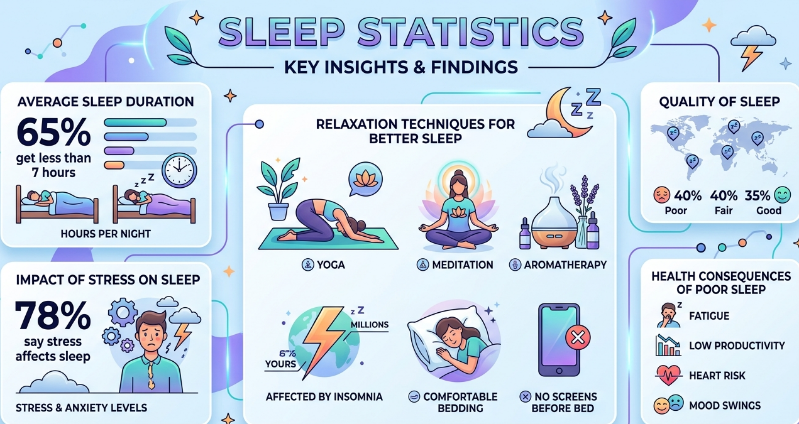
Why Relaxation before Bed Matters
Relaxation before bedtime is more than just a luxury – it is essential for a healthy sleep cycle. When you are stressed, anxious, or tense, your body produces cortisol, the stress hormone. High cortisol levels can make it difficult to fall asleep or stay asleep. On the other hand, practicing relaxation techniques can help lower heart rate, reduce blood pressure, and calm the nervous system.
Studies have shown that engaging in relaxation routines before sleep can improve sleep duration, reduce insomnia, and enhance overall mental well-being. Even five to ten minutes of intentional relaxation can help your mind shift from daytime worries to a peaceful, restorative state.
Simple Relaxation Techniques to Try Before Bed
Below is a list of practical techniques that are easy to incorporate into your nightly routine. These methods are effective and do not require special equipment or a lot of time.
1. Deep Breathing Exercises
One of the simplest and most effective ways to relax before bed is through deep breathing. When we are stressed, our breaths tend to become shallow and rapid, which signals our body to stay in a heightened state of alertness. By consciously slowing down and deepening your breath, you send a message to your brain and body that it is time to unwind, helping to calm your nervous system and prepare for sleep.
How to do it:
Sit or lie down comfortably in your bed. Close your eyes and take a slow, deep breath through your nose, counting to four. Hold your breath for a count of four. Slowly exhale through your mouth for a count of six. Repeat this for 5-10 minutes.Deep breathing helps reduce cortisol levels and activates the parasympathetic nervous system, which promotes relaxation.
2. Progressive Muscle Relaxation
Progressive muscle relaxation (PMR) is a technique where you tense and then relax different muscle groups in your body. It helps release physical tension and can significantly improve sleep quality.
How to do it:
Start at your toes and work your way up to your head. Tense the muscles in your toes for 5 seconds, then release. Move to your calves, thighs, stomach, arms, and finally your face. Focus on the sensation of relaxation after each release. PMR is especially helpful for people who experience stress-related muscle tension or insomnia.
3. Gentle Stretching or Yoga
Stretching your body before sleep is a simple yet highly effective way to relax. Throughout the day, stress, poor posture, and long hours of sitting can create tension in muscles and joints, making it harder for your body to fully unwind at night. Gentle stretching or yoga helps release this tension, improves blood circulation, and signals to your body that it is time to rest.
Recommended bedtime yoga poses:
- Child’s Pose: Relieves tension in the back and shoulders.
- Legs Up the Wall Pose: Helps circulation and reduces swelling in legs.
- Cat-Cow Stretch: Loosens the spine and relieves stress.
- Seated Forward Bend: Calms the nervous system and stretches hamstrings.
A 5-10 minute yoga routine can make a noticeable difference in your sleep quality.
4. Guided Meditation
Guided meditation is one of the most effective techniques to quiet a busy mind before bed. Many people struggle to sleep because their thoughts are racing, replaying stressful events, or worrying about tomorrow.
How to do it:
Lie down comfortably in bed. Put on headphones and choose a meditation focused on sleep, mindfulness, or deep relaxation. Follow the voice instructions, focusing on your breathing and letting go of thoughts. Meditation reduces anxiety, slows heart rate, and helps transition your mind into a restful state.
5. Visualization Techniques
Visualization is a powerful mental relaxation technique that helps quiet a racing mind and prepares your body for restful sleep. It works by directing your imagination toward calming, peaceful scenarios, which distracts your brain from stress, anxiety, or overthinking. This method is especially useful for people who find it difficult to “switch off” at night.
How to do it:
Close your eyes and imagine a place where you feel safe and relaxed, such as a beach, forest, or cozy cabin. Focus on details: the sounds, smells, and sensations. Let yourself “walk” through this scene in your mind, breathing slowly and deeply.
6. Aromatherapy
Aromatherapy is a simple and highly effective way to signal to your brain and body that it’s time to unwind. Certain natural scents have calming properties that can reduce stress, lower heart rate, and improve sleep quality.
How to use aromatherapy:
Use an essential oil diffuser in your bedroom. Add a few drops of lavender or chamomile oil to your pillow or bedding. Inhale the aroma deeply as you prepare for sleep. The calming effect of scents works synergistically with other relaxation techniques for a deeper sleep.
7. Establish a Digital Curfew
In today’s digital world, our phones, laptops, and TVs are often the last things we see before bed. While it may feel relaxing to scroll through social media or binge-watch a show, electronic devices can significantly interfere with your natural sleep cycle. The blue light emitted by screens suppresses melatonin, the hormone that signals your body it’s time to sleep.
Tips to reduce screen time before bed:
- Avoid phones, computers, or TVs for at least 30-60 minutes before bedtime.
- Read a physical book, journal, or listen to calming music instead.
- Consider using night mode or blue light filters if screen use is unavoidable.
Reducing digital distractions allows your mind to naturally wind down.
8. Create a Nightly Routine
Consistency is one of the most powerful tools for improving sleep. Your body thrives on routine, and establishing a simple nightly schedule signals to your brain that it is time to wind down. Over time, a regular pre-sleep routine can make falling asleep easier, reduce nighttime awakenings, and improve overall sleep quality.
Routine ideas:
Wash your face and brush your teeth. Dim the lights in your bedroom. Listen to calming music or nature sounds. Practice deep breathing, stretching, or meditation. Even a 20-30 minute pre-sleep routine can train your body to relax more effectively at night.
Sleep and Relaxation Statistics
| Statistic | Insight | Source / Year |
| 35% of adults report getting less than 7 hours of sleep per night | Lack of sufficient sleep is linked to higher stress levels and reduced cognitive function. | National Sleep Foundation, 2023 |
| 60% of adults experience insomnia or sleep difficulties at least a few nights per week | Sleep problems are a common issue affecting physical and mental health. | American Academy of Sleep Medicine, 2022 |
| 5-10 minutes of deep breathing can lower heart rate and cortisol levels | Short relaxation exercises have measurable effects on stress and sleep readiness. | Frontiers in Psychology, 2021 |
| Gentle yoga before bed improves sleep efficiency by 27% in adults with insomnia | Incorporating stretching or yoga into a nightly routine can significantly enhance sleep quality. | Journal of Clinical Sleep Medicine, 2020 |
| Aromatherapy with lavender improves sleep quality for 80% of adults in clinical studies | Essential oils like lavender have a scientifically supported calming effect. | Evidence-Based Complementary and Alternative Medicine, 2021 |
| Reducing screen time 1 hour before bed increases melatonin production by up to 50% | Limiting blue light exposure helps the body naturally prepare for sleep. | Sleep Health Journal, 2019 |
| Consistent bedtime routines improve sleep quality in 70% of participants | Following a nightly routine helps regulate the circadian rhythm and reduce sleep onset latency. | Behavioral Sleep Medicine, 2022 |
Tips for Maximizing Relaxation before Bed
- Keep your bedroom cool, quiet, and dark. Temperature and light affect melatonin production.
- Avoid caffeine and heavy meals close to bedtime.
- Limit alcohol; while it may make you drowsy, it disrupts deep sleep.
- Stay hydrated, but not excessively to prevent waking up at night.
- Keep a consistent sleep schedule, even on weekends.
Final Thoughts
Simple relaxation techniques before bed are accessible, effective, and do not require any special tools. From deep breathing and progressive muscle relaxation to meditation and aromatherapy, these practices can significantly improve sleep quality, reduce stress, and enhance mental and physical health.
Remember, the key is consistency. Incorporating even a few of these techniques into your nightly routine can transform your sleep experience. Whether you are struggling with occasional restlessness or chronic insomnia, starting with simple relaxation practices can be the first step toward peaceful, restorative sleep.
FAQs:
1. How long should I practice relaxation techniques before bed?
Even 5-15 minutes of deep breathing, stretching, or meditation can be effective. Consistency matters more than duration.
2. Can relaxation techniques help with insomnia?
Yes, methods like progressive muscle relaxation, guided meditation, and visualization can reduce stress and improve sleep onset for people with insomnia.
3. Are these techniques safe for everyone?
Yes, these are gentle, non-invasive practices suitable for most people. If you have medical conditions, consult your doctor before starting new routines.
4. Can listening to music or nature sounds help me relax?
Absolutely. Calm music, white noise, or nature sounds can lower heart rate and create a peaceful environment for sleep.
5. How soon will I notice better sleep after trying these techniques?
Some people notice improvement after the first night, but regular practice over a few weeks usually leads to more consistent and deeper sleep.
