
Stomach problems can ruin your entire day. From bloating and constipation to acid reflux, gas, indigestion, and an upset stomach, digestive issues are becoming more common because of unhealthy eating habits, stress, lack of sleep, and processed food consumption.
The good news is that your daily diet can make a huge difference. Certain foods naturally support gut health, improve digestion, reduce inflammation, and help your stomach work properly. If you regularly deal with digestive discomfort, adding the right foods to your meals can help you feel lighter, healthier, and more energetic. In this detailed guide, you will discover the best foods for digestion, how they help your stomach, and simple ways to include them in your daily routine.
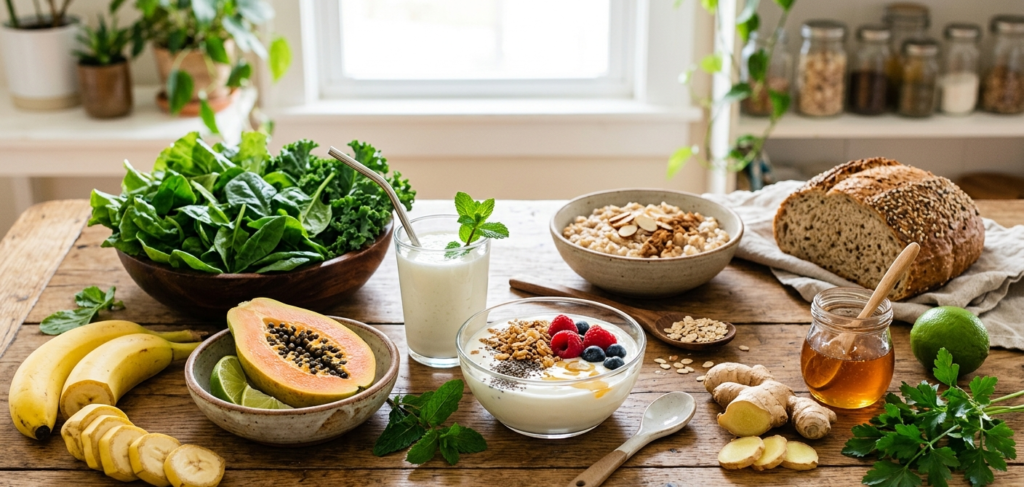
Why Gut Health Matters
Your gut does much more than digest food. A healthy digestive system supports better nutrient absorption, stronger immunity, improved metabolism, better energy levels, healthy bowel movements, reduced inflammation, improved mood and mental health.
Scientists often call the gut the “second brain” because it directly affects overall wellness. Poor gut health can lead to symptoms like bloating, stomach pain, gas, constipation, diarrhea, acid reflux, nausea, food intolerance and fatigue. That is why eating gut-friendly foods is one of the smartest health decisions you can make.
Best Foods for Stomach Problems and Better Digestion
Best foods for stomach problems and better digestion are given as below:
1. Yogurt
Yogurt is one of the best foods for gut health because it contains probiotics. These are healthy bacteria that improve digestion and balance your gut microbiome.
Benefits of yogurt:
- Helps reduce bloating
- Supports healthy digestion
- Improves bowel movements
- Helps with diarrhea caused by antibiotics
- Strengthens immunity
Best way to eat it: Choose plain, unsweetened yogurt with live cultures. Add fruits, honey, or oats for extra nutrition.
2. Bananas
Bananas are gentle on the stomach and easy to digest. They are rich in fiber and potassium, which help maintain healthy digestion.
Why bananas help:
- Reduce stomach irritation
- Help with diarrhea recovery
- Support healthy bowel movements
- Reduce acidity
Bananas are often recommended in the BRAT diet (Bananas, Rice, Applesauce, Toast) for people recovering from stomach illness.
Pro Tip: Eat ripe bananas for easier digestion.
3. Ginger
Ginger has been used for centuries as a natural remedy for digestive problems. Ginger helps with nausea, indigestion, gas, stomach cramps and motion sickness. It also speeds up stomach emptying, which helps reduce bloating and discomfort after meals.
Easy ways to use ginger: Ginger tea, fresh ginger in smoothies, ginger water and added to soups and curries
4. Oatmeal
Oatmeal is rich in soluble fiber, which supports healthy digestion and feeds beneficial gut bacteria.
Benefits of oatmeal:
- Prevents constipation
- Improves gut bacteria
- Keeps you full longer
- Helps control acid reflux
Oats are also easy on the stomach and suitable for sensitive digestion.
Best option: Choose plain rolled oats instead of sugary instant packets.
5. Papaya
Papaya contains an enzyme called papain, which helps break down proteins and supports smoother digestion.
Papaya can help: Reduce bloating, ease constipation, improve digestion and reduce inflammation in the gut. This tropical fruit is especially helpful after heavy meals.
6. Kefir
Kefir is a fermented milk drink loaded with probiotics. Many experts consider kefir even more powerful than yogurt for gut health.
Benefits of kefir:
- Improves digestion
- Restores healthy gut bacteria
- Supports immunity
- Helps people with lactose sensitivity
If you often suffer from stomach discomfort after eating dairy, kefir may be easier to tolerate.
7. Leafy Green Vegetables
Spinach, kale, lettuce, and other leafy greens contain fiber, vitamins, and magnesium that support digestion.
Why greens matter:
- Improve bowel movements
- Feed healthy gut bacteria
- Reduce inflammation
- Support colon health
Leafy greens also contain chlorophyll, which may help protect the digestive tract.
Best choices: Spinach, Kale, Arugula, Lettuce and Swiss chard
8. Apples
The saying “an apple a day keeps the doctor away” also applies to digestion. Apples contain pectin, a type of soluble fiber that improves bowel regularity and supports healthy bacteria in the gut.
Benefits:
- Helps with constipation
- Supports healthy digestion
- Reduces inflammation
- Supports gut microbiome balance
Tip: Eat apples with the skin for maximum fiber.
9. Bone Broth
Bone broth is rich in collagen, gelatin, and amino acids that may support gut lining repair. Bone broth may help in the following:
- Soothe the digestive tract
- Reduce inflammation
- Support leaky gut recovery
- Improve nutrient absorption
It is also easy to digest, making it ideal during stomach illness.
10. Chia Seeds
Chia seeds absorb water and form a gel-like texture that supports digestion.
Benefits:
- High in fiber
- Supports regular bowel movements
- Feeds good gut bacteria
- Helps reduce constipation
How to use: Add chia seeds to smoothies, yogurt, oatmeal, water and puddings
Foods That Can Trigger Stomach Problems
While healthy foods improve digestion, some foods can make symptoms worse. Foods to avoid or limit are given as below:
| Food Type | Why It Causes Problems |
| Fried foods | Hard to digest and high in unhealthy fats |
| Processed foods | Low fiber and harmful additives |
| Sugary drinks | Can disrupt gut bacteria |
| Excess caffeine | May trigger acid reflux |
| Alcohol | Irritates the stomach lining |
| Spicy foods | Can worsen heartburn in some people |
| Artificial sweeteners | May cause bloating and gas |
Reducing these foods can significantly improve stomach health over time.
Best Drinks for Digestion
Hydration plays a major role in digestive wellness.
- Water: Water helps move food through the digestive tract and prevents constipation.
- Ginger Tea: Excellent for nausea and bloating.
- Peppermint Tea: May relax digestive muscles and reduce gas.
- Kefir Drinks: Packed with probiotics for gut support.
- Lemon Water: Can stimulate digestion in some people.
Daily Habits That Improve Gut Health
Eating healthy foods is important, but daily habits matter too.
- Eat Slowly: Chewing food properly helps digestion begin in the mouth.
- Avoid Overeating: Large meals can overload the digestive system.
- Exercise Regularly: Physical activity supports healthy bowel movement.
- Manage Stress: Stress directly affects gut function and digestion.
- Sleep Well: Poor sleep can negatively affect gut bacteria.
Signs Your Gut Health Is Improving
When you consistently eat gut-friendly foods, you may notice:
- Less bloating
- Better energy
- Regular bowel movements
- Reduced acid reflux
- Improved skin
- Better mood
- Less stomach discomfort
Gut healing takes time, so consistency matters.
Sample Gut-Friendly Meal Plan
Sample gut friendly meal plan is given as below:
- Breakfast: Oatmeal with banana, chia seeds, and yogurt
- Snack: Apple slices with peanut butter
- Lunch: Grilled chicken with spinach salad and olive oil dressing
- Snack: Papaya or kefir smoothie
- Dinner: Rice with vegetables and bone broth soup
- Before Bed: Peppermint tea
Best Foods for Specific Stomach Problems
Best foods for specific stomach problems is given are below:
| Stomach Issue | Recommended Foods |
| Constipation | Oatmeal, chia seeds, apples |
| Acid reflux | Bananas, oatmeal, leafy greens |
| Bloating | Ginger, yogurt, peppermint tea |
| Diarrhea | Bananas, rice, yogurt |
| Gas | Kefir, ginger, papaya |
| Upset stomach | Toast, bananas, bone broth |
The Connection between Gut Health and Immunity
Around 70 percent of your immune system is connected to your gut. A healthy digestive system helps your body fight harmful bacteria and inflammation. That is why improving gut health can also help to reduce illness frequency, improve skin health, support weight management and improve mental clarity. This connection is one reason why digestive wellness has become one of the biggest health trends worldwide.
Final Thoughts
Digestive problems are incredibly common, but the right foods can make a major difference. Simple changes like eating yogurt, bananas, ginger, leafy greens, oatmeal, and probiotic-rich foods can help improve digestion naturally and reduce stomach discomfort. A healthy gut supports your entire body, from immunity and energy levels to mental health and metabolism. Instead of relying only on temporary fixes, focus on building long-term healthy eating habits that nourish your digestive system every day.
Start by adding one or two gut-friendly foods into your meals today. Small changes can lead to big improvements in how your stomach feels and how your body performs overall. If you want better digestion, less bloating, more energy, and improved overall wellness, your journey starts with what you put on your plate.
FAQs:
1. What foods are best for improving digestion?
Foods like yogurt, bananas, oatmeal, ginger, papaya, kefir, and leafy green vegetables are excellent for improving digestion and supporting gut health naturally.
2. How can I reduce bloating quickly?
You can reduce bloating by drinking plenty of water, eating slowly, avoiding processed foods, and consuming foods like ginger, peppermint tea, and yogurt that help calm the digestive system.
3. Are probiotics good for stomach health?
Yes, probiotics help balance healthy gut bacteria, improve digestion, reduce bloating, and support overall stomach and immune health. Yogurt and kefir are among the best natural probiotic foods.
4. What foods should I avoid if I have stomach problems?
Try to avoid fried foods, sugary drinks, excessive caffeine, alcohol, heavily processed foods, and artificial sweeteners because they can worsen bloating, acid reflux, and digestive discomfort.
