
Sleep is one of the most important factors for overall health and well-being. Yet, millions of people struggle to get enough quality sleep every night. From tossing and turning to waking up in the middle of the night, poor sleep can impact mood, energy levels, and even long-term health. While there are many strategies to improve sleep, one of the most effective and natural ways is through your diet. Certain foods can promote relaxation, boost sleep hormones, and help you fall asleep faster. In this blog, we will explore the best foods that help you sleep better at night, why they work, and how to incorporate them into your diet.
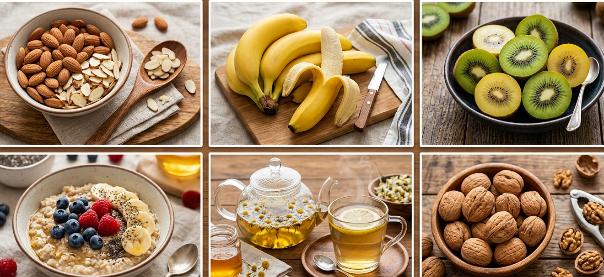
Why Nutrition Affects Sleep
The connection between what you eat and how you sleep is stronger than many people realize. Sleep is regulated by hormones like melatonin and serotonin. These hormones control your circadian rhythm, which determines when you feel sleepy and when you wake up. Nutrients in certain foods can influence these hormones. For example:
- Tryptophan is an essential amino acid that helps the body produce serotonin, which is then converted into melatonin. This process is crucial for regulating your sleep cycle and improving sleep onset.
- Magnesium plays a major role in calming the nervous system. It helps relax muscles, reduce stress, and support deeper, uninterrupted sleep throughout the night.
- Calcium helps the brain use tryptophan to produce melatonin. It also supports stable sleep patterns and may help prevent frequent awakenings.
- Complex carbohydrates such as whole grains and oats help tryptophan reach the brain more effectively. This makes it easier for your body to produce sleep-promoting hormones naturally.
In addition, nutrients like vitamin B6, omega-3 fatty acids, and antioxidants also contribute to better sleep by reducing inflammation and supporting brain function. By consistently incorporating foods rich in these nutrients into your daily diet, you can naturally improve your sleep patterns, fall asleep faster, and enjoy deeper, more restorative rest without relying on medications or supplements.
Best Foods That Help You Sleep
Certain foods contain natural compounds that help your body relax, regulate sleep hormones, and improve overall sleep quality. By including the right foods in your evening diet, you can fall asleep faster and enjoy deeper, more restful sleep without relying on artificial sleep aids. Simple and effective foods to boost melatonin, support serotonin production, and improve sleep quality are given below.
1. Almonds
Almonds are a great source of magnesium, which is essential for improving sleep quality. Studies show that magnesium can help reduce insomnia and improve overall sleep efficiency. Besides magnesium, almonds also contain melatonin, which directly influences your sleep-wake cycle. Eating a small handful of almonds as an evening snack can help your body relax and prepare for rest.
2. Turkey
Turkey is famously known for making people feel sleepy after Thanksgiving dinners. This is because it is rich in tryptophan, the amino acid that helps produce melatonin. Incorporating turkey into your dinner or having a small turkey sandwich in the evening can improve sleep onset and duration.
3. Kiwi
Kiwi is not only delicious but also packed with sleep-promoting nutrients like vitamin C, vitamin E, and antioxidants. Research suggests that eating kiwi can improve sleep onset, duration, and efficiency. The natural serotonin content in kiwi may help regulate your sleep cycle, making it easier to fall asleep naturally.
4. Chamomile Tea
Chamomile tea is one of the most popular natural sleep aids. It contains apigenin, an antioxidant that binds to certain receptors in your brain to reduce anxiety and promote sleepiness. Sipping on a warm cup of chamomile tea 30 minutes before bed can be a relaxing ritual that signals your body that it is time to sleep.
5. Fatty Fish
Fatty fish like salmon, tuna, and mackerel are rich in omega-3 fatty acids and vitamin D. Both of these nutrients help regulate serotonin, which plays a key role in sleep quality. Eating fatty fish a few times a week can not only improve your heart and brain health but also enhance your ability to fall asleep and stay asleep.
6. Walnuts
Walnuts are another excellent source of melatonin. They also contain healthy fats and tryptophan, making them a double-benefit food for better sleep. Snacking on a small handful of walnuts before bed can provide a steady supply of melatonin to help regulate your sleep-wake cycle.
7. Bananas
Bananas are rich in potassium and magnesium, two minerals that relax muscles and nerves. They also contain tryptophan, which your body converts into serotonin and melatonin. A banana as an evening snack can reduce nighttime muscle cramps and promote relaxation for better sleep.
8. Oatmeal
Oats are a whole grain and a natural source of melatonin. Eating oatmeal at night can increase your blood sugar gradually, helping you feel calm and ready for sleep. You can pair oatmeal with honey, almond milk, or a few slices of banana to make a comforting bedtime snack.
9. Dark Chocolate
Dark chocolate contains serotonin-boosting compounds that may help regulate your mood and promote sleep. While it should be consumed in moderation, a small piece of dark chocolate after dinner can provide antioxidants and relaxation benefits without interfering with sleep.
10. Herbal Teas
Besides chamomile, other herbal teas such as valerian root, lavender, and peppermint can help improve sleep quality. These teas have natural calming effects on the nervous system, helping to reduce stress and prepare your body for rest.
Average Nutrient Content in Popular Sleep-Friendly Foods
| Food | Magnesium (mg) | Tryptophan (mg) | Melatonin Presence |
| Almonds (1 oz) | 76 mg | 65 mg | Yes |
| Turkey (3 oz) | 28 mg | 250 mg | No |
| Banana (1 medium) | 32 mg | 11 mg | No |
| Walnuts (1 oz) | 45 mg | 90 mg | Yes |
| Oatmeal (1 cup cooked) | 61 mg | 147 mg | Yes |
| Kiwi (2 medium) | 23 mg | 6 mg | Small amount |
| Salmon (3 oz) | 26 mg | 250 mg | No |
| Chamomile Tea (1 cup) | 2 mg | 0 mg | No, but contains calming antioxidants |
Foods to Avoid Before Bed
While certain foods can enhance sleep, others can seriously interfere with your ability to fall asleep and stay asleep. What you eat in the evening plays a big role in your sleep quality, so it is important to be mindful of these common sleep disruptors:
Caffeine:
Found in coffee, tea, chocolate, and many energy drinks, caffeine is a powerful stimulant that can stay in your system for 6 to 8 hours or even longer. It blocks adenosine, a chemical that helps you feel sleepy, making it harder to relax and fall asleep at night.
Alcohol:
While alcohol may make you feel sleepy at first, it actually disrupts your sleep cycle. It reduces REM sleep, which is the most restorative stage, and can lead to frequent awakenings, dehydration, and poor sleep quality overall.
Spicy or Fatty Foods:
Eating heavy, greasy, or spicy meals late at night can trigger indigestion, acid reflux, and discomfort. These issues can keep you awake or cause you to wake up during the night, especially if you lie down soon after eating.
Sugary Snacks:
Foods high in sugar, such as desserts, candies, and processed snacks, can cause rapid spikes in blood sugar followed by sudden crashes. This can lead to restlessness, nighttime awakenings, and difficulty maintaining deep sleep.
Tips for Better Sleep through Diet
Making small changes to your eating habits can have a big impact on your sleep quality. By being mindful of what and when you eat, you can support your body’s natural sleep cycle and enjoy more restful nights. Here are some simple and effective tips:
Time Your Meals:
Try to eat dinner at least 2 to 3 hours before bedtime. Eating too close to sleep can make your body focus on digestion instead of relaxation, which may interfere with your circadian rhythm and delay sleep onset.
Balanced Nutrition:
Focus on a well-balanced diet that includes whole grains, lean proteins, healthy fats, fruits, and vegetables. These foods provide essential nutrients like magnesium, tryptophan, and vitamins that naturally support sleep and overall health.
Stay Hydrated:
Proper hydration is important for good sleep, as dehydration can lead to discomfort like dry mouth or leg cramps. However, avoid drinking large amounts of water right before bed to reduce the chances of waking up during the night.
Routine Snacks:
If you feel hungry before bedtime, opt for light, sleep-friendly snacks. Choices like a small banana, a handful of almonds, yogurt, or a cup of herbal tea can help you relax without overloading your digestive system.
Limit Caffeine:
Caffeine is a stimulant that can stay in your system for several hours. Try to avoid coffee, tea, chocolate, and energy drinks at least 6 hours before bedtime to prevent difficulty falling asleep.
The Science behind Sleep-Promoting Foods
Several scientific studies support the idea that diet affects sleep quality. For example, research shows that tryptophan-rich foods increase melatonin production, helping people fall asleep faster. Magnesium and calcium support deep, restorative sleep, while complex carbohydrates enhance the absorption of tryptophan. Additionally, omega-3 fatty acids and vitamin D from fatty fish regulate serotonin and melatonin levels, improving overall sleep efficiency.
By strategically incorporating these foods into your diet, you can create a natural sleep-enhancing routine. Consistency matters, and combining these foods with good sleep hygiene practices, such as maintaining a consistent bedtime, limiting screen time, and keeping your bedroom cool and dark, will maximize the benefits.
Conclusion
Good sleep is essential for your physical, mental, and emotional well-being. While many people turn to sleep aids or medications, adjusting your diet is a natural, sustainable, and effective way to improve sleep quality. Foods rich in tryptophan, melatonin, magnesium, and other sleep-promoting nutrients can help you fall asleep faster, stay asleep longer, and wake up feeling refreshed.
Incorporate almonds, turkey, kiwi, fatty fish, bananas, and herbal teas into your evening routine, and avoid stimulants, heavy meals, and sugary snacks before bed. Over time, these changes can help you enjoy deep, restorative sleep night after night. Start today by making small dietary adjustments and watch how your sleep transforms. Better sleep starts with better food choices.
FAQs:
1. Can eating certain foods really improve sleep?
Yes, foods rich in tryptophan, magnesium, melatonin, and complex carbohydrates can naturally help your body relax and improve sleep quality.
2. Is it better to eat a full meal or a snack before bed?
A light snack is usually better than a heavy meal. Heavy meals can cause indigestion and disrupt sleep.
3. How soon before bed should I eat sleep-promoting foods?
Ideally, 30 minutes to 2 hours before bedtime for snacks, or 2-3 hours before bed for dinner.
4. Are herbal teas effective for sleep?
Yes, chamomile, valerian root, lavender, and peppermint teas can help calm the nervous system and support better sleep.
5. Can caffeine or sugar affect sleep?
Yes, caffeine and high-sugar foods can delay sleep onset and reduce sleep quality, so it is best to avoid them in the evening.
