
Kidney stones are one of the most painful health problems people experience. The sharp pain in the lower back, burning during urination, nausea, and constant discomfort can make daily life miserable.
The good news is that some natural remedies, lifestyle changes, and dietary adjustments may help support kidney stone removal and reduce the chances of future stones forming. In this detailed guide, you will learn about kidney stone remedies, causes, symptoms, foods to eat, foods to avoid, and the best natural ways to support kidney health.
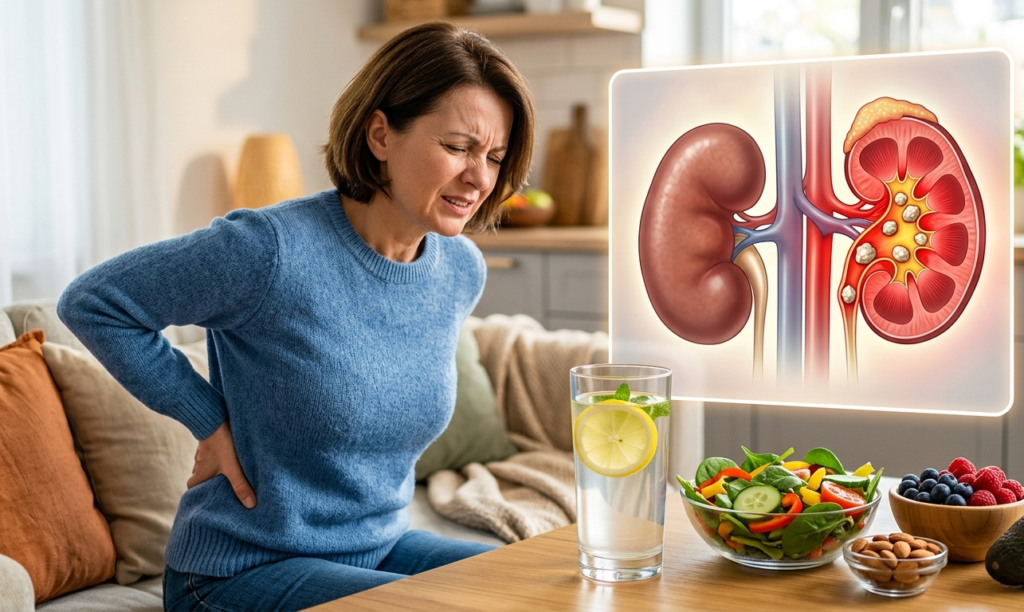
What Are Kidney Stones?
Kidney stones are hard mineral and salt deposits that form inside the kidneys. These stones can vary in size from tiny grains to larger stones that block the urinary tract. Common types of kidney stones include:
| Type of Kidney Stone | Main Cause |
| Calcium Oxalate Stones | Too much oxalate and calcium in urine |
| Uric Acid Stones | High protein diet, dehydration |
| Struvite Stones | Urinary tract infections |
| Cystine Stones | Genetic conditions |
Kidney stones develop when the urine becomes concentrated, allowing minerals to crystallize and stick together.
Common Symptoms of Kidney Stones
Recognizing kidney stone symptoms early can help you seek proper treatment faster. Signs of kidney stones include:
- Severe pain in the lower back or side
- Pain during urination
- Blood in urine
- Cloudy or foul-smelling urine
- Frequent urge to urinate
- Nausea and vomiting
- Fever and chills in severe cases
If you experience intense pain or fever, seek medical care immediately.
Best Natural Remedy for Kidney Stones
Many people are affected by this so they want solution for “best kidney stone remedy” or “how to dissolve kidney stones naturally.” While no home remedy guarantees instant removal, some natural approaches may help support the body’s ability to flush out small stones.
1. Drink More Water
Hydration is the number one natural remedy for kidney stones. Drinking enough water helps dilute minerals in urine and may assist small stones in passing through the urinary tract more easily.
How much water should you drink: Most experts recommend 2.5 to 3 liters of water dailyandmore if you sweat heavily or live in a hot climate.A simple way to monitor hydration is by checking urine color. Pale yellow urine usually indicates proper hydration.
Why water helps with kidney stones: Water can reduce mineral buildup, helps to flush toxins, lower stone formation risk and support kidney function.Adding lemon slices to water may offer additional benefits because lemons contain citrate, which may help reduce stone formation.
Lemon Juice Remedy for Kidney Stones
One of the most popular home remedies for kidney stones is lemon juice.
Why lemon juice may help: Lemons contain citric acid, which may increase urine citrate levels, help prevent calcium stones and reduce crystal formation
Simple Lemon Water Remedy: Mix 1 to 2 fresh lemons and 1 glass of warm water. Drink once or twice daily. This remedy is popular because it is simple, affordable, and easy to include in your daily routine.
Apple Cider Vinegar for Kidney Stones
Apple cider vinegar is another widely discussed natural kidney stone remedy.
Potential benefits of apple cider vinegar: Some people believe apple cider vinegar maysupport urine alkalinity,help to break down mineral buildupandImprove digestion.
How to use it: Mix 1 tablespoon apple cider vinegar, 1 glass of water. Drink before meals.
Important: Always dilute apple cider vinegar because it is acidic and may damage tooth enamel if consumed directly.
Basil Juice Remedy for Kidney Stones
Basil has been used in traditional wellness practices for centuries.
Benefits of basil for kidney health: Basil may support healthy fluid balance, contain antioxidants and promote urinary tract health
Basil tea recipe: Boil fresh basil leaves, water for 5 minutes and drink warm once daily.
Pomegranate Juice and Kidney Stones
Pomegranate juice is rich in antioxidants and may support kidney health.
Why pomegranate juice is popular: People use pomegranate juice because it may support kidney detox, reduce oxidative stress and promote healthy urinary function. Choose fresh or unsweetened juice for the best results.
Foods That Help Prevent Kidney Stones
Diet plays a major role in kidney stone prevention.
Best foods for kidney stones
Best foods for kidney stones are given as below:
- Citrus fruits: Lemons, oranges, and limes contain citrate.
- Calcium-rich foods: Low-fat dairy products may help reduce oxalate absorption.
- Fruits and vegetables: These support hydration and overall kidney health.
- Whole grains: Good for balanced nutrition and lower sodium intake.
- Water-rich foods: Cucumber, watermelon, and celery support hydration.
Foods to Avoid With Kidney Stones
Certain foods may increase the risk of kidney stones, especially calcium oxalate stones. Foods that are high in oxalates are given as below:
| Foods to Limit | Reason |
| Spinach | High oxalate content |
| Beets | May increase oxalates |
| Chocolate | Contains oxalates |
| Nuts | Some varieties are high in oxalates |
| Tea | Excess intake may contribute |
Reduce sodium intake: Too much salt can increase calcium in urine. Avoid processed foods, chips, fast food, instant noodles and packaged snacks.
Limit sugary drinks: Soft drinks and sugary beverages may increase kidney stone risk.
Can Cranberry Juice Help Kidney Stones?
Cranberry juice is commonly associated with urinary tract health, but its role in kidney stones depends on the stone type.
Important note: Cranberry juice may help some urinary issues but could increase oxalate levels in certain individuals.Always consult a healthcare professional if you frequently develop kidney stones.
How Long Does It Take to Pass a Kidney Stone?
This depends on the size and location of the stone.
| Stone Size | Estimated Passing Time |
| Small stones (under 4 mm) | A few days to weeks |
| Medium stones (4 to 6 mm) | Several weeks |
| Large stones | May require medical treatment |
Drinking water and staying active may help smaller stones move through the urinary tract.
Medical Treatments for Kidney Stones
Natural remedies may support relief, but some kidney stones require professional medical care.
Common medical treatments include:
Some of the medical treatments include the following:
- Pain medication: Doctors may prescribe pain relievers.
- Shock wave therapy: Breaks larger stones into smaller pieces.
- Ureteroscopy: Removes stones using special instruments.
- Surgery: Needed in severe cases. Seek immediate medical attention if you have fever, severe vomiting, inability to urinate, extreme pain and blood clots in urine
Best Drinks for Kidney Stones
People often want to learn for “what to drink for kidney stones.” Here are some of the best options given as below:
| Drink | Potential Benefit |
| Water | Flushes minerals |
| Lemon water | Provides citrate |
| Coconut water | Supports hydration |
| Barley water | Traditional kidney support drink |
| Diluted apple cider vinegar | May support urine balance |
Avoid excessive: Soda, energy drinks, alcohol and sugary beverages
Lifestyle Tips to Prevent Kidney Stones
Preventing kidney stones often involves long-term lifestyle habits.
- Stay physically active: Regular movement may help maintain healthy metabolism and fluid balance.
- Maintain a healthy weight: Obesity may increase kidney stone risk.
- Do not hold urine too long: Frequent urination helps remove waste materials.
- Monitor protein intake: Too much animal protein may increase uric acid stones.
- Get regular health checkups: People with recurring stones should monitor kidney health regularly.
Are Kidney Stones Dangerous?
Small kidney stones may pass naturally, but untreated stones can cause complications. Potential risks include:
- Urinary tract infections
- Kidney damage
- Blocked urine flow
- Severe pain episodes
Early care and prevention are important.
Final Thoughts
Kidney stones can be extremely painful, but many people find relief through hydration, dietary changes, and healthy lifestyle habits. Natural remedies like lemon water, basil tea, and increased fluid intake may support kidney health and help reduce the risk of future stones.
However, it is important to remember that severe kidney stones may require medical treatment. Always speak with a healthcare professional if symptoms become serious or if kidney stones keep returning. By staying hydrated, eating balanced meals, and avoiding excess salt and processed foods, you can support better kidney health naturally and reduce the chances of kidney stone formation in the future.
FAQs:
- What is the fastest way to get rid of kidney stones?
Drinking plenty of water, following medical advice, and using doctor-recommended treatments are the safest approaches.
- Can lemon juice dissolve kidney stones?
Lemon juice may help support prevention because it contains citrate, but it may not fully dissolve existing stones.
- Is walking good for kidney stones?
Light physical activity may help small stones move through the urinary tract.
- Can kidney stones go away on their own?
Small stones sometimes pass naturally with hydration and time.
- What causes kidney stones?
Common causes include Dehydration, high sodium diet, excess oxalates, genetics, obesity and certain medical conditions
