
In today’s fast-paced world, taking care of yourself often falls to the bottom of your priority list. Between work, family responsibilities, and endless notifications, it can feel impossible to focus on your own well-being. But here’s the truth: long-term health is built on small, consistent self-care habits, not drastic lifestyle changes.
The good news is that self-care does not have to be expensive, complicated, or time-consuming. In fact, the most effective habits are often the simplest ones. This guide will walk you through easy self-care habits for long-term health that you can start today, even with a busy schedule.
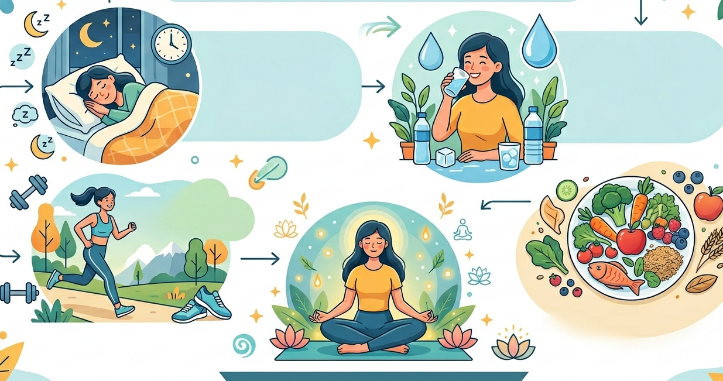
What Is Self-Care and Why It Matters
Self-care refers to the daily actions you take to maintain your physical health, mental well-being, and emotional balance. It is not just about spa days or vacations. It includes things like getting enough sleep, eating nutritious food, managing stress, and staying active.
Consistent self-care helps you Prevent chronic illnesses, improve mental clarity and focus, boost your immune system, increase energy levels and enhance overall happiness.
1. Prioritize Quality Sleep Every Night
One of the most powerful self-care habits you can develop is getting enough quality sleep each night. Despite its importance, many people sacrifice sleep for work, deadlines, or late-night entertainment. This habit might seem harmless in the short term, but over time it can seriously affect your overall health and well-being.
Why Sleep Is Essential
Sleep is not just about resting, it is a crucial time when your body and mind repair and recharge. During sleep, your immune system becomes stronger, your brain processes information, and your body restores energy for the next day. Quality sleep helps you function better both physically and mentally.
Easy Tips to Improve Sleep
- Aim for 7 to 9 hours of sleep each night
- Avoid screens at least 30 minutes before bedtime
- Keep your bedroom cool, dark, and quiet
- Stick to a consistent sleep schedule
2. Stay Hydrated Throughout the Day
Drinking enough water is one of the simplest yet most overlooked self-care habits, even though it plays a crucial role in maintaining overall health. Proper hydration supports many essential functions in the body and helps you feel more energetic, alert, and balanced throughout the day.
Benefits of Staying Hydrated
- Improves digestion
- Boosts skin health
- Supports brain function
- Helps regulate body temperature
Simple Hydration Habits
Incorporating hydration into your daily routine is easy with a few simple habits. Start your day with a glass of water to rehydrate your body after sleep. Carrying a reusable water bottle with you makes it easier to sip water throughout the day, especially when you are busy. If you often forget to drink water, setting reminders on your phone can help you stay consistent. You can also make water more enjoyable by adding natural flavors like lemon slices, cucumber, or fresh fruit. These small changes can make a big difference in your overall hydration and long-term health.
3. Move Your Body Daily
You do not need an intense workout routine or a gym membership to stay healthy. Regular physical movement, even in simple forms, is enough to make a big difference in your overall well-being.
Why Physical Activity Matters
Physical activity improves both physical and mental health in many ways. It helps reduce the risk of heart disease by keeping your cardiovascular system strong and healthy. It also strengthens your muscles and bones, which improves mobility and reduces the risk of injury as you age. Exercise releases endorphins, also known as “feel-good hormones,” which naturally improve your mood and reduce stress. In addition, staying active boosts your energy levels, helping you feel more awake and productive throughout the day.
Easy Ways to Stay Active
- Take a 20 to 30 minute walk daily
- Use stairs instead of elevators
- Stretch in the morning or before bed
- Try home workouts or yoga
4. Eat Balanced and Nutritious Meals
Healthy eating is not about strict dieting or avoiding all your favorite foods. Instead, it is about maintaining balance and consistency in your daily meals. A nutritious diet gives your body the fuel it needs to function properly and supports long-term health.
What a Healthy Diet Looks Like
A healthy diet includes a variety of food groups that provide essential nutrients. Fruits and vegetables supply vitamins, minerals, and fiber that support digestion and immunity. Whole grains provide long-lasting energy and help regulate blood sugar levels. Lean proteins such as chicken, fish, beans, and lentils support muscle growth and repair. Healthy fats from sources like nuts, seeds, and olive oil are important for brain health and hormone balance.
Practical Healthy Eating Tips
- Plan your meals ahead of time
- Avoid processed and sugary foods
- Practice mindful eating
- Do not skip meals, especially breakfast
5. Practice Mindfulness and Stress Management
Chronic stress can slowly damage your physical and mental health if it is not managed properly. That is why learning how to manage stress is an essential part of long-term self-care and overall well-being.
Effects of Unmanaged Stress
- Anxiety and depression
- High blood pressure
- Sleep problems
- Weakened immune system
Easy Stress Management Techniques
Managing stress can be simple if you build small habits into your routine. Deep breathing exercises help calm your mind and reduce tension quickly. Meditation for just 5 to 10 minutes a day can improve focus and emotional balance. Journaling your thoughts allows you to process emotions and reduce mental clutter. Spending time in nature is also highly effective, as it helps you feel more relaxed and refreshed.
6. Limit Screen Time and Digital Overload
In today’s digital world, excessive screen time has become a common habit that can negatively affect both mental and physical health. Reducing screen exposure is an important part of modern self-care.
Problems Caused by Too Much Screen Time
- Eye strain
- Poor posture
- Sleep disruption
- Increased anxiety
Healthy Digital Habits
You can improve your digital health by taking regular screen breaks to rest your eyes and stretch your body. Setting time limits for social media helps you stay more focused and reduce unnecessary scrolling. Avoiding screens before bedtime supports better sleep quality. Creating tech-free zones in your home, such as the bedroom or dining area, encourages healthier habits and better real-life interactions.
7. Build Strong Social Connections
Human beings are naturally social, and strong relationships are essential for emotional health and overall happiness. Maintaining meaningful connections is an important part of long-term self-care.
Benefits of Social Connections
- Reduce feelings of loneliness
- Improve mental health
- Increase life satisfaction
- Provide emotional support
Simple Ways to Stay Connected
You can maintain strong relationships by calling or messaging friends and family regularly. Spending quality time with loved ones strengthens emotional bonds. Joining community groups or participating in activities helps you meet new people and build connections. Being present during conversations, instead of being distracted, improves the quality of your relationships.
8. Take Breaks and Avoid Burnout
Working continuously without rest may seem productive, but in reality it often leads to burnout, which negatively affects both physical and mental health.
Signs of Burnout
- Constant fatigue
- Lack of motivation
- Irritability
- Reduced performance
How to Prevent Burnout
Preventing burnout requires balance and intentional rest. Taking short breaks during work helps refresh your mind and improve focus. Setting clear boundaries between work and personal life ensures that you have time to relax and recharge. Scheduling regular downtime for hobbies or relaxation is also important. Learning to say no when your schedule is already full helps prevent unnecessary stress.
9. Practice Self-Reflection and Gratitude
Self-reflection and gratitude are powerful habits that improve emotional well-being and help you develop a more positive mindset. They allow you to understand yourself better and appreciate the good things in your life.
Benefits of Gratitude
- Increases happiness
- Reduces stress
- Improves relationships
Easy Gratitude Practices
You can practice gratitude by writing down three things you are thankful for each day. Reflecting on positive moments before going to bed helps end your day on a good note. Expressing appreciation to others, even in small ways, can strengthen relationships and improve your mood.
10. Keep Learning and Growing
Personal growth is a key part of long-term health because it keeps your mind active, engaged, and confident. Continuous learning helps you adapt to life changes and improves overall well-being.
Why Growth Matters
Personal growth keeps your mind sharp by encouraging curiosity and learning. It boosts confidence as you develop new skills and achieve goals. It also improves problem-solving abilities, helping you handle challenges more effectively.
Ways to Keep Learning
- Read books or articles
- Learn a new skill or hobby
- Take online courses
- Listen to educational podcasts
11. Maintain Personal Hygiene and Routine Care
Basic hygiene is an essential part of self-care that directly affects your health, confidence, and social well-being. Maintaining cleanliness is a simple but powerful habit.
Essential Hygiene Habits
- Wash your hands regularly
- Maintain oral hygiene
- Shower regularly
- Keep your environment clean
Why It Matters
Good hygiene prevents many common illnesses and infections. It also boosts confidence by helping you feel fresh and presentable. Overall, it contributes to better physical health and improves your quality of life.
12. Listen to Your Body
Your body constantly sends signals when something is not right, and paying attention to these signals is an important part of self-care and long-term health.
Signs You Should Not Ignore
- Persistent fatigue
- Pain or discomfort
- Changes in appetite or sleep
- Mood swings
What You Can Do
When you feel tired, it is important to rest and allow your body to recover. If symptoms continue or worsen, seeking medical advice is the safest option. You should also never ignore mental health symptoms, as emotional well-being is just as important as physical health.
Self-Care and Health key statistics:
To better understand the impact of these self-care habits on long-term health, here is an informative table with key statistics and insights. These data points highlight why building a healthy daily routine is so important.
| Self-Care Habit | Key Statistic | What It Means for You |
| Sleep | Adults need 7 to 9 hours of sleep per night | Getting enough sleep improves focus, immunity, and overall health |
| Hydration | Around 60 percent of the human body is water | Staying hydrated supports brain function, digestion, and energy levels |
| Physical Activity | At least 150 minutes of moderate exercise per week is recommended | Regular movement reduces risk of heart disease and improves mood |
| Healthy Eating | Diet-related diseases are among the leading causes of death globally | Balanced nutrition helps prevent chronic illnesses and boosts energy |
| Stress Management | Chronic stress increases risk of heart disease and mental health issues | Managing stress improves both emotional and physical well-being |
| Screen Time | Average screen time exceeds 6 to 7 hours daily for many adults | Reducing screen time improves sleep and reduces anxiety |
| Social Connections | Strong relationships can increase lifespan by up to 50 percent | Staying connected improves mental health and life satisfaction |
| Burnout | Over 70 percent of professionals report experiencing burnout at some point | Taking breaks and setting boundaries is essential for productivity |
| Gratitude Practice | Practicing gratitude can increase happiness by up to 25 percent | Positive thinking improves mood and reduces stress |
| Lifelong Learning | Continuous learning helps delay cognitive decline | Keeping your mind active supports long-term brain health |
| Hygiene | Proper handwashing can reduce illness by up to 40 percent | Basic hygiene habits prevent infections and improve health |
| Body Awareness | Early detection of health issues improves treatment outcomes significantly | Listening to your body helps prevent serious health problems |
Final Thoughts: Small Habits Lead to Big Results
The journey to long-term health does not require perfection. It requires consistency. By incorporating these easy self-care habits into your daily routine, you can create a healthier and more balanced life over time. You do not need to do everything at once. Pick one or two habits from this list and begin today. Over time, these small changes will build a strong foundation for a healthier, happier future.
FAQs:
1. What are the easiest self-care habits to start with?
Start with simple habits like drinking more water, getting 7 to 9 hours of sleep, and taking a short daily walk. These small changes are easy to maintain and have a big impact on long-term health.
2. How long does it take to see results from self-care habits?
You may notice small improvements like better mood and energy within a few days or weeks. Long-term benefits like improved fitness and mental health usually take a few months of consistent effort.
3. Can self-care improve mental health?
Yes, self-care plays a major role in mental health. Practices like mindfulness, regular exercise, good sleep, and staying connected with others can reduce stress, anxiety, and depression.
4. How can I stay consistent with a self-care routine?
Start small and build gradually. Set realistic goals, create a daily routine, and track your progress. Consistency is more important than perfection.
5. Is self-care the same as being selfish?
No, self-care is not selfish. Taking care of your physical and mental health allows you to function better and support others more effectively.
