
Water is one of the most essential elements your body needs to function properly. Yet, many people walk around mildly dehydrated without even realizing it. Whether you are busy with work, exercising, fasting, or just forgetting to drink enough fluids throughout the day, your body will start sending signals when it needs more hydration.
In this detailed guide, we will explore the most important signs your body needs more hydration, why staying hydrated matters, and how you can improve your daily water intake. This blog is designed to help you understand dehydration symptoms early so you can take action before it affects your health.
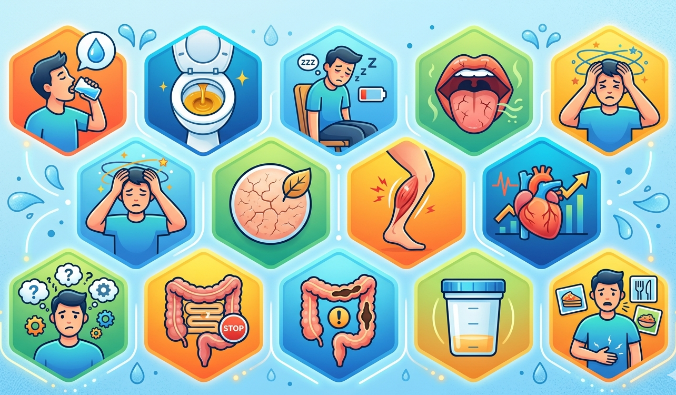
Why Hydration Is So Important
Your body is made up of about 60 percent water. Every system in your body depends on proper hydration to work efficiently. Water helps with regulating body temperature, supporting digestion, transporting nutrients and oxygen, removing toxins, lubricating joints and maintaining healthy skin. When your body does not get enough water, even mild dehydration can affect your energy levels, mood, and physical performance.
1. Persistent Thirst
This may seem obvious, but thirst is one of the first and most important signs of dehydration. If you constantly feel thirsty, your body is already in a dehydrated state. Many people ignore this signal, especially when they are busy or distracted.
Tip: Do not wait until you feel thirsty. Make it a habit to drink water throughout the day.
2. Dark Yellow Urine
One of the easiest ways to check your hydration level is by looking at your urine color.
- Light or pale yellow: well hydrated
- Dark yellow or amber: dehydrated
If your urine is consistently dark, your body is not getting enough fluids.
3. Fatigue and Low Energy
Feeling tired even after getting enough sleep could be a sign of dehydration. When your body lacks water, it struggles to maintain proper blood circulation and oxygen flow. This can make you feel sluggish and drained.
4. Dry Mouth and Bad Breath
A dry or sticky feeling in your mouth is another clear sign that your body needs more hydration. When you are dehydrated, saliva production decreases. Saliva helps control bacteria in your mouth, so less saliva can also lead to bad breath.
5. Headaches and Dizziness
Dehydration can reduce blood flow and oxygen to the brain, which may lead to headaches or even dizziness. If you frequently experience headaches, especially during hot weather or after physical activity, dehydration could be the cause.
6. Dry Skin and Lack of Glow
Your skin reflects your hydration levels. If your skin looks dull, dry, or less elastic, it could be due to a lack of water. Try the skin pinch test:
- Gently pinch your skin
- If it does not bounce back quickly, you may be dehydrated
7. Muscle Cramps
Muscle cramps are often linked to dehydration, especially during exercise, hot weather, or prolonged physical activity. When your body loses fluids and electrolytes like sodium, potassium, and magnesium, it can disrupt normal muscle function, leading to painful and sudden cramps.
Why it happens: Electrolytes help muscles contract and relax. Low hydration levels mean your muscles don’t get the support they need, increasing the likelihood of cramps or spasms.
Practical tip: Drink water before, during, and after exercise. For longer or intense workouts, consider electrolyte drinks or snacks like bananas to replace lost minerals and reduce cramp risk.
8. Rapid Heart Rate
Dehydration can cause a decrease in blood volume, which forces your heart to work harder to deliver oxygen and nutrients to your body. This can result in a faster heart rate, palpitations, or an unusual heartbeat.
Why it matters: A rapid heart rate can make you feel weak, dizzy, or short of breath. Over time, chronic dehydration may put stress on your cardiovascular system.
Practical tip: If you notice an unusually fast heartbeat, take a break, drink water, and rest. Persistent changes in heart rate should be checked by a healthcare professional.
9. Difficulty Concentrating
Your brain is about 75 percent water, and even mild dehydration can impact its function. Lack of water can affect focus, memory, mood, and decision-making, often referred to as brain fog.
Why it happens: Dehydration reduces blood flow and oxygen to the brain, impairing cognitive processes. This can make simple tasks feel harder, and concentration may drop significantly.
Practical tip: Keep water at your desk and take regular sips while working. If you notice difficulty focusing, drink water first before assuming fatigue or stress is the cause.
10. Constipation and Digestive Issues
Water plays a critical role in digestion by helping break down food and moving it smoothly through the intestines. When you are dehydrated, digestion slows, and stool can become hard and difficult to pass, leading to constipation.
Why it matters: Chronic dehydration can cause digestive discomfort, bloating, and long-term gut issues.
Practical tip: Increase fluid intake, include water-rich foods like fruits and vegetables, and consider warm fluids like herbal teas to help digestion.
11. Reduced Urination
If you notice you are urinating less than usual, it could be your body’s way of conserving water. Reduced urination is a clear sign of dehydration and indicates that your body is struggling to maintain fluid balance.
Why it happens: Your kidneys try to retain water when the body is low on fluids, which can reduce the frequency and volume of urination.
Practical tip: Monitor your urine color along with frequency. Pale yellow urine is ideal; darker urine means you need more water.
12. Increased Hunger
Sometimes your body confuses thirst with hunger, signaling you to eat when what you actually need is water. This can lead to unnecessary snacking or overeating.
Why it matters: Drinking water before meals can help control appetite, aid digestion, and prevent mistaking thirst for hunger.
Practical tip: Next time you feel hungry shortly after eating, try drinking a glass of water first. You may find the hunger disappears, indicating your body was just dehydrated.
How Much Water Do You Really Need?
There is no one size fits all answer when it comes to daily water intake, but a common guideline is about 8 glasses of water per day, which equals roughly 2 liters. This is often referred to as the “8×8 rule” and is a simple starting point for most people. However, your actual hydration needs can vary depending on several important factors such as activity level, weather and climate, body weight and size and other health conditions.
Daily Hydration Guide Table
| Situation / Factor | Recommended Water Intake | Signs You Need More Hydration | Extra Tips |
| Normal Daily Routine | 2 to 2.5 liters (8 to 10 glasses) | Mild thirst, slightly dark urine | Sip water consistently throughout the day |
| During Exercise | +500 to 1000 ml per hour of activity | Sweating, fatigue, muscle cramps | Add electrolytes for intense workouts |
| Hot Weather | 2.5 to 3.5 liters or more | Heavy sweating, dizziness, dry skin | Eat water-rich fruits and avoid caffeine |
| Cold Weather | 2 to 2.5 liters | Dry skin, low thirst but dark urine | Do not rely only on thirst |
| Traveling (Flights) | +250 ml every hour of flight | Dry mouth, fatigue, headache | Avoid alcohol and drink water regularly |
| During Illness | Increase intake based on fluid loss | Weakness, dry mouth, low urination | Use oral rehydration solutions if needed |
| Pregnancy / Breastfeeding | 2.5 to 3 liters | Fatigue, dizziness, dehydration symptoms | Keep a bottle nearby at all times |
Best Ways to Stay Hydrated
Here are some simple and effective ways to improve your hydration:
- Start Your Day with Water: Drink a glass of water first thing in the morning. Keep a glass or bottle of water next to your bed so you can drink it as soon as you wake up. You can also add a slice of lemon for a refreshing boost.
- Carry a Water Bottle: Keeping water with you makes it easier to drink regularly. Whether you are at work, traveling, or running errands, having a reusable bottle nearby encourages consistent hydration. Choose a bottle with measurement markings to track how much water you drink daily.
- Eat Water Rich Foods: Include foods like cucumbers, watermelon, oranges and lettuce. These foods not only hydrate your body but also provide essential vitamins, minerals, and antioxidants that support overall health. Add these foods to your meals or snacks, especially during hot weather, to naturally boost hydration levels.
- Set Reminders: Use your phone to remind you to drink water every hour. Regular reminders create awareness and turn hydration into a daily habit rather than an afterthought. Pair drinking water with daily activities like meals, breaks, or after checking your phone.
- Drink Before You Feel Thirsty: Prevention is better than cure when it comes to dehydration. Preventing dehydration is much easier than treating it. Staying ahead of your body’s needs helps maintain energy levels, focus, and overall well-being. Make it a goal to sip water regularly throughout the day, even if you do not feel thirsty. This is especially important during exercise, hot weather, or long work hours.
Hydration Tips for Different Situations
Some different tips for hydration are given as below:
During Exercise
Staying hydrated during exercise is crucial for performance, energy, and preventing cramps. Aim to drink water before, during, and after your workouts. Even mild dehydration can reduce endurance and focus. For longer or more intense sessions, consider adding electrolyte drinks. Electrolytes like sodium, potassium, and magnesium help replace minerals lost through sweat and keep your muscles working efficiently.
In Hot Weather
Hot and humid weather increases sweat loss, which can quickly lead to dehydration. To stay hydrated, increase your water intake and drink fluids regularly throughout the day. Avoid relying on sugary sodas or caffeinated drinks, as they can worsen dehydration by increasing fluid loss. Wearing light clothing and taking breaks in shaded areas can also help your body retain water.
While Traveling
Travel, especially air travel, can make dehydration worse because airplane cabins have very low humidity. You may lose more fluids than usual without realizing it. To prevent dehydration, drink extra water during flights, limit alcohol and caffeine, and try to move around periodically to improve circulation.
During Illness
Fever, vomiting, diarrhea, and infections increase fluid loss and make your body more vulnerable to dehydration. During illness, it is important to drink small amounts of water frequently. Oral rehydration solutions or electrolyte drinks are especially helpful to replace lost minerals.
Common Myths about Hydration
- Myth 1: Only Water Counts
- Truth: Other fluids and foods also contribute to hydration.
- Myth 2: Coffee Dehydrates You Completely
- Truth: Moderate coffee intake still contributes to fluid intake.
- Myth 3: You Only Need Water When Exercising
- Truth: Your body needs water all day, not just during workouts.
Final Thoughts
Recognizing the signs your body needs more hydration is essential for maintaining overall health. From fatigue and headaches to dry skin and poor concentration, dehydration can affect almost every part of your body. The good news is that staying hydrated is simple and affordable. By paying attention to your body and making small changes to your daily routine, you can avoid dehydration and feel more energetic, focused, and healthy.
FAQs:
1. How do I know if I am dehydrated?
Look for signs like thirst, dark yellow urine, dry mouth, fatigue, or headaches. These are common indicators your body needs more water.
2. How much water should I drink daily?
A general guideline is about 8 glasses (2 liters) per day, but it can vary based on activity, climate, and body weight.
3. Can dehydration affect my skin?
Yes, lack of water can cause dry, dull skin and reduce elasticity. Drinking enough water helps maintain a healthy glow.
4. Does coffee count toward hydration?
Yes, moderate coffee and tea still contribute to your daily fluid intake, though water is best for optimal hydration.
5. What are quick ways to stay hydrated?
Carry a water bottle, eat water-rich foods like fruits and vegetables, set reminders, and drink before you feel thirsty.
