
Post menopause bleeding is one of the most important health concerns women should never ignore. Even a small amount of vaginal bleeding after menopause can sometimes signal an underlying medical condition that needs attention. While many cases are linked to harmless causes, others may point to serious conditions such as uterine cancer, endometrial hyperplasia, or hormonal disorders.
This detailed guide explains everything you need to know about post menopause bleeding in women, including causes, symptoms, diagnosis, treatment options, prevention tips, and when to see a doctor.
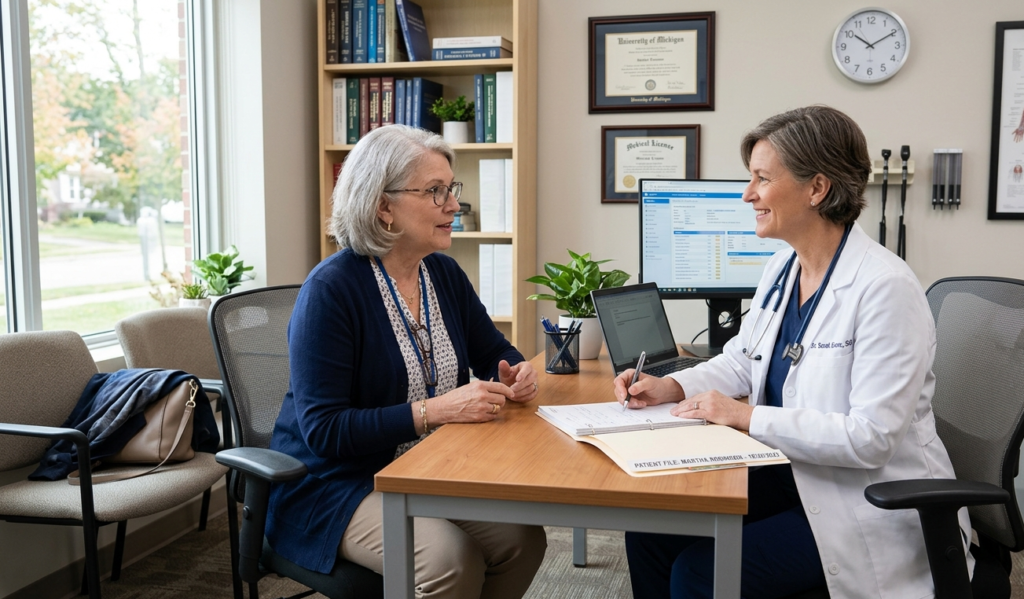
What Is Post Menopause Bleeding?
Post menopause bleeding refers to any vaginal bleeding that occurs after a woman has stopped having menstrual periods for 12 consecutive months. Once menopause is complete, monthly periods should no longer occur. Any spotting, light bleeding, brown discharge, or heavy bleeding afterward is considered abnormal.
Important Facts about Post-Menopausal Bleeding
- Around 10% of postmenopausal women experience vaginal bleeding
- Most cases are not cancerous
- However, approximately 10% of women with postmenopausal bleeding may have endometrial cancer
- Early diagnosis greatly improves treatment success
Understanding Menopause
Menopause is a natural biological process that marks the end of reproductive years. It usually occurs between ages 45 and 55.
Stages of Menopause
Different stages of menopause are given as below:
| Stage | Description |
| Perimenopause | Hormonal changes begin and periods become irregular |
| Menopause | No menstrual periods for 12 months |
| Post menopause | Years after menopause has occurred |
During post menopause, estrogen levels drop significantly, causing changes in vaginal tissues, uterus lining, and overall reproductive health.
What Does Post Menopause Bleeding Look Like?
Post menopause bleeding can vary from woman to woman. It may appear as:
- Light spotting
- Pink or brown discharge
- Heavy bleeding similar to periods
- Blood after intercourse
- Intermittent bleeding
- Continuous bleeding
Even a single episode should be evaluated by a healthcare provider.
Common Causes of Post Menopause Bleeding
There are several possible causes of bleeding after menopause. Some are mild and treatable, while others require urgent medical care.
1. Vaginal Atrophy (Atrophic Vaginitis)
One of the most common causes of post menopause bleeding is vaginal atrophy. Reduced estrogen levels make vaginal tissues thin, dry, and fragile.
Symptoms: Vaginal dryness, pain during intercourse, burning or itching and Llight spotting
Treatment: Vaginal moisturizers, estrogen cream, hormone therapy and lubricants during intercourse
2. Endometrial Atrophy
The endometrium is the lining of the uterus. After menopause, this lining becomes very thin because of low estrogen levels. Thin tissues may bleed easily, leading to spotting or light bleeding.
3. Endometrial Hyperplasia
This condition occurs when the uterine lining becomes abnormally thick.
Risk Factors: Obesity, Diabetes, high estrogen levels, hormone imbalance and polycystic ovary syndrome (PCOS)
Why It Matters: Endometrial hyperplasia can sometimes develop into uterine cancer if left untreated.
Treatment Options
Some of the options for treatment are given as below:
- Progesterone therapy
- Hormonal medications
- Surgical procedures
- Regular monitoring
4. Uterine Polyps
Polyps are small growths that develop in the uterus or cervix. Most are benign, but some may become cancerous.
Symptoms: Irregular bleeding, Spotting after sex, heavy bleeding and Pelvic discomfort
Treatment: Doctors may remove polyps through hysteroscopy or minor surgery.
5. Hormone Replacement Therapy (HRT)
Some women take hormone replacement therapy to reduce menopause symptoms like hot flashes and night sweats. Hormonal medications can sometimes cause bleeding, especially during the first few months.
Types of HRT Linked to Bleeding
- Estrogen therapy
- Combined hormone therapy
- Cyclic hormone treatment
A doctor may adjust medications if bleeding continues.
6. Endometrial Cancer
One of the most serious causes of post menopause bleeding is endometrial cancer, also known as uterine cancer.
Warning Signs: Bleeding after menopause, pelvic pain, watery discharge and unexplained weight loss
Risk Factors for Uterine Cancer
Some risk factors for uterine cancer are given as below:
| Risk Factor | Details |
| Obesity | Excess fat increases estrogen levels |
| Diabetes | Raises cancer risk |
| High blood pressure | Linked to endometrial cancer |
| Family history | Genetic risk factors |
| Late menopause | Longer estrogen exposure |
| Never being pregnant | Increased risk |
Treatment for Endometrial Cancer
- Surgery
- Radiation therapy
- Chemotherapy
- Hormone therapy
- Targeted therapy
Early detection significantly improves survival rates.
7. Cervical Cancer
Bleeding after menopause can also result from cervical cancer.
Symptoms: Vaginal bleeding, bleeding after intercourse, pelvic pain and unusual discharge
Prevention: Regular Pap smears, HPV vaccination and routine gynecological exams
8. Vaginal Infections
Infections can irritate vaginal tissues and lead to bleeding.
Common Symptoms: Discharge, burning sensation, itching and pain during urination
Treatment: Antibiotics, antifungal medication and proper hygiene practices
9. Sexually Transmitted Infections (STIs)
Certain sexually transmitted infections can cause inflammation and bleeding.
Examples: Some of the examples are given as below:
- Chlamydia
- Gonorrhea
- Herpes
Safe sexual practices help reduce risk.
10. Trauma or Injury
Fragile vaginal tissues after menopause may bleed due to sexual intercourse, pelvic exams, injury and surgical procedures
Symptoms That Require Immediate Medical Attention: Women should contact a healthcare provider immediately if they experience heavy vaginal bleeding, severe pelvic pain, blood clots, dizziness or fainting, persistent spottingandunexplained weight loss. Ignoring symptoms can delay diagnosis of serious conditions.
How Doctors Diagnose Post Menopause Bleeding
Doctors use several methods to determine the cause of bleeding.
- Medical History and Physical Exam: The doctor may ask about menopause age, hormone medication use, family history, duration of bleeding and pain symptoms
- Pelvic Examination: A pelvic exam helps check for abnormalities in the vagina, cervix, and uterus.
- Transvaginal Ultrasound: This imaging test measures the thickness of the uterine lining.
- Normal Endometrial Thickness: In postmenopausal women, the lining is usually thin. Thickened tissue may require further testing.
- Endometrial Biopsy: A small tissue sample is taken from the uterus lining to check for Cancer, Hyperplasia and Abnormal cells. This is one of the most accurate tests for detecting uterine cancer.
- Hysteroscopy: A thin camera is inserted into the uterus to examine abnormal growths or polyps.
- Pap Smear: A Pap test helps identify cervical abnormalities and cervical cancer.
Treatment for Post Menopause Bleeding
Treatment depends on the underlying cause.
Hormonal Therapy:
Doctors may prescribe hormones to correct imbalances.Common hormone treatments are given as below:
- Estrogen cream
- Progesterone therapy
- Combined hormone therapy
Medications:
Depending on the diagnosis, medications may include
- Antibiotics
- Antifungal drugs
- Anti-inflammatory medication
Surgical Treatments
Surgical treatment are given as below:
- Polyp Removal: Doctors may remove uterine or cervical polyps during hysteroscopy.
- Dilation and Curettage (D&C): This procedure removes tissue from the uterus lining.
- Hysterectomy: In severe cases or cancer diagnosis, the uterus may need removal.
Can Post Menopause Bleeding Be Prevented?
Not all cases can be prevented, but healthy lifestyle habits may lower risks. Some prevention tips are given as below:
- Maintain a Healthy Weight: Excess body fat raises estrogen levels, increasing cancer risk.
- Regular Exercise: Physical activity supports hormone balance and overall health.
- Routine Gynecological Checkups: Early detection saves lives.
- Manage Chronic Conditions: Control diabetes, hypertension, and obesity.
- Avoid Smoking: Smoking increases the risk of cervical and other cancers.
Best Foods for Postmenopausal Women
A healthy diet supports hormone health and lowers inflammation. Recommended foods are given as below:
| Food | Benefits |
| Leafy greens | Rich in calcium and vitamins |
| Fatty fish | Omega 3 for inflammation control |
| Berries | High antioxidants |
| Yogurt | Supports bone health |
| Nuts and seeds | Healthy fats and hormone support |
| Whole grains | Improve digestion and heart health |
Foods to Limit
Foods to limit are given as below:
- Processed foods
- Excess sugar
- Alcohol
- High saturated fat foods
Emotional Impact of Post Menopause Bleeding
Unexpected bleeding can cause anxiety and stress, especially when women fear cancer.
Helpful Steps: Seek medical advice early, avoid self-diagnosis online, talk openly with healthcare providers and join menopause support groups. Mental health is just as important as physical health.
When to See a Doctor: Women should schedule a medical evaluation if they experience spotting after menopause, brown discharge, bleeding after sex, pelvic pain and persistent vaginal discharge. Early diagnosis improves treatment outcomes and reduces complications.
Final Thoughts
Post menopause bleeding in women should never be ignored. Although many causes are harmless and easily treatable, bleeding after menopause can sometimes indicate serious health conditions such as endometrial cancer or cervical cancer.
Understanding the causes, symptoms, and treatment options helps women take proactive steps toward better reproductive health. Regular medical checkups, healthy lifestyle habits, and timely diagnosis are essential for long term wellness. If you or someone you know experiences post-menopausal bleeding, consult a healthcare professional as soon as possible. Early care can make a major difference in treatment success and overall health.
FAQs:
- Is Any Bleeding After Menopause Normal?
No. Any bleeding after menopause should be evaluated by a doctor.
- Can Stress Cause Post Menopause Bleeding?
Stress alone usually does not cause bleeding, but hormonal changes and medications related to stress may contribute indirectly.
- Is Spotting After Menopause Dangerous?
Spotting may result from harmless conditions, but it can also indicate cancer or precancerous changes.
- Can Fibroids Cause Bleeding After Menopause?
Yes. Although fibroids often shrink after menopause, they can still cause bleeding in some women.
- How Long Does Post Menopause Bleeding Last?
The duration depends on the underlying cause. Some cases involve a single episode, while others continue until treated.
