
If your sleep schedule feels chaotic, you are not alone. Many people struggle with falling asleep on time, waking up refreshed, or maintaining a consistent sleep routine. Whether you are dealing with late nights, early mornings, or constant fatigue, improving your sleep cycle can completely transform your energy, mood, and overall health. In this detailed guide, we will break down exactly how to improve your sleep cycle using science backed methods, practical habits, and easy lifestyle changes.
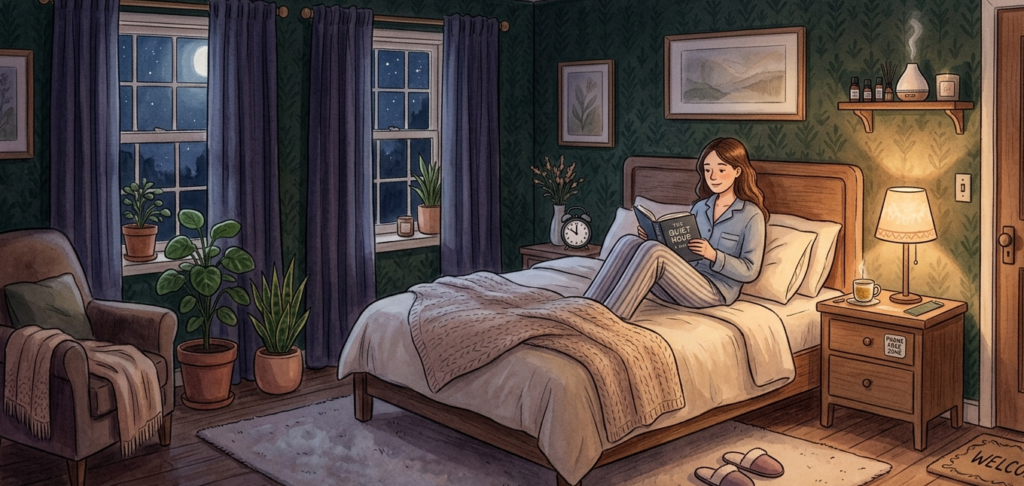
What Is a Sleep Cycle and Why It Matters
Your sleep cycle refers to the natural pattern your body follows over a 24 hour period. This is controlled by your circadian rhythm, also known as your internal body clock. It tells your body when to feel awake and when to feel sleepy.
A healthy sleep cycle typically includes falling asleep within 15 to 30 minutes, getting 7 to 9 hours of quality sleep and waking up feeling refreshed. When your sleep cycle is disrupted, it can lead to fatigue and low energy, poor focus and memory, mood swings, irritability and weakened immune system.
Common Causes of a Poor Sleep Cycle
Before fixing your sleep schedule, it helps to understand what might be causing the issue.
- Irregular Sleep Timing: Sleeping at different times every night confuses your internal clock.
- Excess Screen Time: Blue light from phones, laptops, and TVs suppresses melatonin, the hormone responsible for sleep.
- Caffeine and Late Night Eating: Consuming caffeine or heavy meals late in the day keeps your body alert.
- Stress and Anxiety: Overthinking and mental stress make it difficult to relax and fall asleep.
- Lack of Daylight Exposure: Your body needs natural light to regulate its circadian rhythm.
How to Improve Your Sleep Cycle Naturally
Let’s get into practical steps you can start using today.
1. Set a Fixed Sleep and Wake Time
One of the most effective ways to reset your sleep cycle is consistency. Go to bed at the same time every night. Wake up at the same time every morning, even on weekends. This trains your brain to follow a predictable routine. Over time, your body will naturally feel sleepy and wakeful at the right times.
2. Create a Relaxing Night Routine
Your brain needs signals that it is time to wind down. Try this pre sleep routine:
- Turn off bright lights
- Read a book
- Take a warm shower
- Practice deep breathing or meditation
Avoid stimulating activities like gaming or scrolling social media.
3. Limit Blue Light Exposure at Night
Blue light delays melatonin production and keeps your brain awake. To improve sleep quality stop using screens at least 1 hour before bed, use night mode or blue light filters and consider blue light blocking glasses. This is crucial for people who want to learn how to fall asleep faster naturally.
4. Get Morning Sunlight Exposure
Natural light in the morning helps reset your circadian rhythm. Spend at least 10 to 20 minutes outside after waking up. Open your windows or curtains. Go for a short walk. This simple habit improves alertness during the day and sleepiness at night.
5. Avoid Caffeine Late in the Day
Caffeine stays in your system for 6 to 8 hours. To improve sleep avoid coffee after 2 pm, limit energy drinks and soda and switch to herbal tea in the evening. This is especially important for those struggling with insomnia or difficulty sleeping at night.
6. Optimize Your Sleep Environment
Your bedroom should be designed for rest. Make these changes:
- Keep the room cool (around 18 to 22 degrees Celsius)
- Use blackout curtains
- Reduce noise or use white noise
- Invest in a comfortable mattress and pillow
A better sleep environment leads to deeper and more restorative sleep.
7. Exercise Regularly but Not Too Late
Physical activity helps regulate sleep patterns. Best practices are:
- Exercise in the morning or afternoon
- Avoid intense workouts 2 to 3 hours before bed
Regular exercise is a proven method for improving sleep quality naturally.
8. Manage Stress and Overthinking
Mental stress is one of the biggest sleep disruptors. Try these techniques like journaling before bed, meditation or mindfulness and breathing exercises like the 4 7 8 technique. Clearing your mind helps your body transition into sleep mode.
9. Avoid Long Daytime Naps
Naps can be helpful, but too much can ruin your sleep cycle. Keep naps under 30 minutes. Avoid napping after 3 pm. If you constantly feel the need to nap, it may indicate poor nighttime sleep.
10. Use the Bed Only for Sleep
Your brain should associate your bed with sleep, not activity. Avoid the following:
- Watching TV in bed
- Working on your laptop
- Eating in bed
This strengthens your mental connection between bed and rest.
How to Reset Your Sleep Cycle Fast
If your sleep schedule is completely off, here is a quick reset plan:
Step 1: Choose a Target Wake Up Time
Pick a realistic time and stick to it daily.
Step 2: Stay Awake Until Night
Even if you are tired, avoid napping.
Step 3: Sleep Earlier Each Night
Shift your bedtime earlier by 15 to 30 minutes daily.
Step 4: Use Light Strategically
Bright light in the morning and dim light at night
Step 5: Be Consistent
Consistency is the key to long term success.
Best Foods for Better Sleep
What you eat also affects your sleep cycle.
- Sleep Friendly Foods: Bananas, almonds, oats, milk and chamomile tea. These foods promote relaxation and melatonin production.
- Foods to Avoid: Spicy food at night, sugary snacks and heavy meals before bed
Signs Your Sleep Cycle Is Improving
You will notice positive changes such as:
- Falling asleep faster
- Waking up without alarms
- Feeling energized during the day
- Improved focus and mood
These are strong indicators that your sleep routine is working.
Common Mistakes to Avoid
Many people unknowingly sabotage their sleep. Avoid these mistakes:
- Sleeping in on weekends
- Using your phone in bed
- Ignoring sleep consistency
- Drinking caffeine too late
- Overthinking sleep itself
Sleep Statistics and Insights Table
Below is an informative table with key data and insights to help you better understand sleep patterns, habits, and their impact on health. These statistics are widely referenced in discussions around improving sleep quality, fixing sleep schedules, and healthy sleep habits.
| Sleep Factor | Recommended / Average | Key Insight |
| Adult Sleep Duration | 7 to 9 hours per night | Less than 6 hours regularly can increase risk of fatigue, poor focus, and health issues |
| Time to Fall Asleep | 15 to 30 minutes | Taking longer may indicate stress, screen overuse, or poor sleep habits |
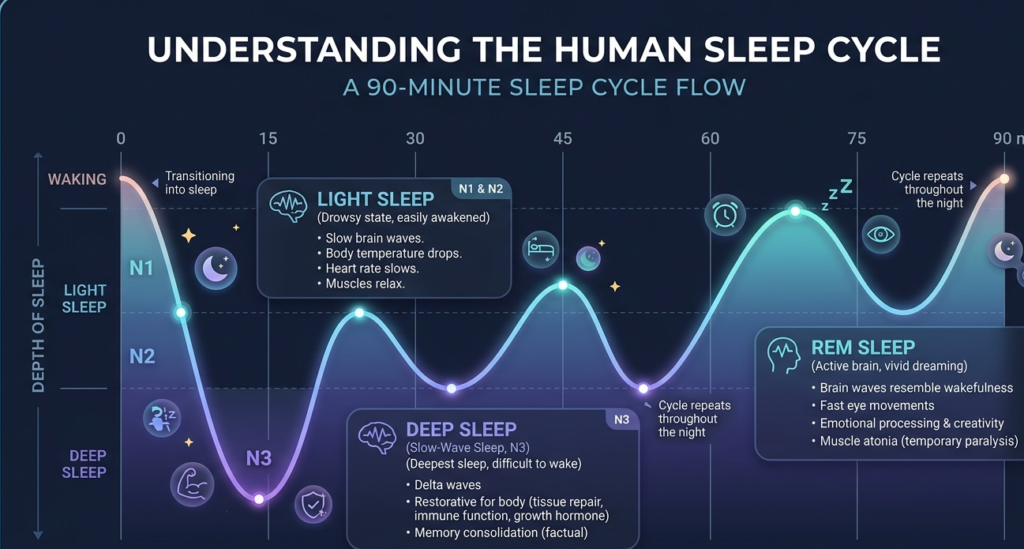
| Deep Sleep Percentage | 13% to 23% of total sleep | Deep sleep is essential for physical recovery and immune health |
| REM Sleep Percentage | 20% to 25% of total sleep | REM sleep supports memory, learning, and emotional balance |
| Screen Use Before Bed | Over 60% of adults | Blue light exposure is a major cause of delayed sleep onset |
| Caffeine Impact Duration | 6 to 8 hours | Drinking coffee late in the day can disrupt your sleep cycle |
| Ideal Room Temperature | 18 to 22 degrees Celsius | Cooler environments promote better and deeper sleep |
| Sleep Consistency | Same sleep/wake time daily | Irregular schedules are one of the biggest causes of poor sleep |
| Napping Duration | 20 to 30 minutes max | Longer naps can interfere with nighttime sleep |
| Sleep Deprivation Rate | Around 35% of adults | A large portion of people struggle with insufficient sleep globally |
Final Thoughts
Improving your sleep cycle is not about one quick fix. It is about building consistent habits that align with your body’s natural rhythm. Small changes like setting a fixed bedtime, reducing screen time, and getting morning sunlight can make a huge difference. If you stay consistent, your body will adjust, and sleep will become easier and more natural.
FAQs:
1. How long does it take to fix a sleep cycle?
It usually takes about 1 to 2 weeks of consistent habits to reset your sleep cycle. Small daily adjustments like going to bed earlier and waking up at the same time can speed up the process.
2. What is the best time to sleep and wake up?
For most adults, sleeping between 10 pm and 11 pm and waking up between 6 am and 7 am works best. However, the key is consistency rather than the exact timing.
3. Can I fix my sleep cycle without medication?
Yes, most people can improve their sleep cycle naturally by following healthy habits like reducing screen time, avoiding caffeine late in the day, and maintaining a consistent sleep routine.
4. Why do I feel tired even after sleeping 8 hours?
This can happen due to poor sleep quality, irregular sleep timing, stress, or conditions like insomnia. Deep, uninterrupted sleep is more important than just the number of hours.
5. Is it bad to use your phone before bed?
Yes, using your phone before bed can disrupt your sleep. The blue light from screens reduces melatonin production, making it harder to fall asleep quickly and maintain a healthy sleep cycle.
