
Your immune system is your body’s built-in defense system. It works around the clock to protect you from viruses, bacteria, and other harmful invaders. But here is something many people overlook. Your daily habits play a huge role in how strong or weak your immune system becomes. If you want practical, proven, and easy ways to boost your immune system naturally, you are in the right place. This guide covers daily habits that strengthen your immune system, improve your overall health, and help your body stay resilient all year round. Let’s break it down in a simple, conversational way so you can actually apply these habits in your daily routine.
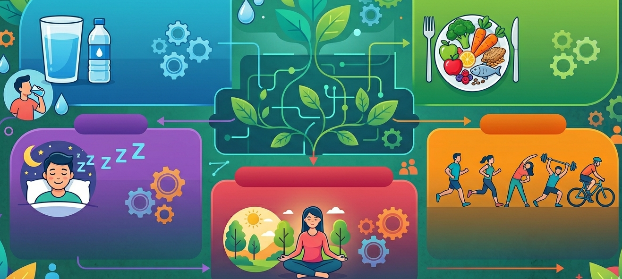
Why Daily Habits Matter for Your Immune System
Your immune system is not something you fix overnight. It is built gradually through consistent lifestyle choices. Think of it like a muscle because the more you support it, the stronger it becomes. Small actions done daily have a much bigger impact than occasional big efforts.
1. Start Your Day with Hydration
One of the simplest yet most powerful habits for a strong immune system is drinking enough water. Your body depends on proper hydration to flush out toxins, transport essential nutrients, and maintain healthy cells. When you are well hydrated, your body can produce lymph more effectively, which helps carry white blood cells and other immune system cells throughout the body to fight infections. Even mild dehydration can slow down these processes and leave you feeling tired, making it harder for your immune system to function at its best.
How to do it: Drink 1 to 2 glasses of water first thing in the morning. Aim for 8 to 10 glasses daily. Add lemon for extra vitamin C and flavor.
2. Eat Immune-Boosting Foods Every Day
Your diet is the foundation of a strong immune system. What you eat every day directly affects how well your body can defend itself against infections, viruses, and inflammation. A balanced diet filled with nutrient-rich foods helps your body produce immune cells, repair tissues, and stay energized. Including a variety of whole foods ensures that your body gets essential vitamins and minerals like vitamin C, vitamin A, zinc, and antioxidants.
Key immune-boosting foods:
- Citrus fruits like oranges, lemons, and grapefruits for vitamin C
- Garlic and ginger for their natural anti-inflammatory and antibacterial properties
- Leafy greens like spinach and kale packed with vitamins and antioxidants
- Yogurt with probiotics to support gut health and immunity
- Nuts and seeds for healthy fats, zinc, and vitamin E
3. Get Enough Quality Sleep
Sleep is not just rest, it is essential repair time for your body. While you sleep, your immune system becomes more active and releases protective proteins that help fight infections and inflammation. Your body also regenerates cells, restores energy, and balances important hormones. Lack of sleep can weaken your immune response, making you more vulnerable to illnesses like colds and flu. Over time, poor sleep habits can also increase stress levels and inflammation in the body.
Recommended sleep: For adults, aim for 7 to 9 hours of quality sleep each night.
Tips for better sleep:
- Avoid screens at least 30 to 60 minutes before bedtime
- Keep your room cool, quiet, and dark
- Stick to a consistent sleep schedule, even on weekends
- Avoid heavy meals or caffeine late in the evening
4. Exercise Regularly but Don’t Overdo It
Regular physical activity helps your immune system function more efficiently. Exercise improves blood circulation, allowing immune cells to move freely throughout your body and detect potential threats more quickly.
Benefits of exercise:
- Improves circulation and oxygen flow
- Reduces inflammation in the body
- Supports healthy weight management
- Helps lower stress and improve mood
Best types of exercise: Brisk walking, jogging, cycling and yoga.
Important note: Too much intense exercise can weaken immunity, so balance is key.
5. Manage Stress Effectively
Chronic stress is one of the biggest enemies of a strong immune system. When you are constantly stressed, your body produces higher levels of cortisol, a hormone that can suppress immune function and increase inflammation.
Simple stress management habits:
- Practice deep breathing exercises to calm your mind
- Try meditation or mindfulness for mental clarity
- Write in a journal to release thoughts and emotions
- Spend time in nature to relax and recharge
6. Get Daily Sunlight for Vitamin D
Vitamin D plays a crucial role in supporting your immune system. It helps your body activate immune defenses and respond effectively to infections. Low levels of vitamin D have been linked to increased risk of illness and weaker immune response.
How to get it: Spend 15 to 30 minutes in sunlight daily and expose arms and face if possible.
Alternative: Vitamin D rich foods like eggs and fish and supplements if needed.
7. Maintain Good Hygiene Habits
This may sound basic, but it is extremely effective in preventing infections. Good hygiene reduces your exposure to harmful bacteria and viruses, giving your immune system less to fight against.
Daily hygiene habits:
- Wash your hands regularly with soap
- Avoid touching your face, especially eyes, nose, and mouth
- Keep your living and work spaces clean
These habits reduce the chances of infection and support your immune system indirectly.
8. Support Gut Health
Your gut and immune system are closely connected. In fact, a large portion of your immune system is located in your digestive tract. A healthy gut helps your body recognize harmful bacteria and respond effectively.
How to improve gut health:
- Eat probiotic foods like yogurt and kefir
- Include fiber-rich foods such as fruits, vegetables, and whole grains
- Avoid excessive processed and sugary foods
Why it matters: A healthy gut improves your body’s ability to fight harmful bacteria.
9. Limit Sugar and Processed Foods
Too much sugar can weaken your immune system and make it less effective at fighting infections. Diets high in processed foods can also increase inflammation and reduce the body’s natural defenses.
Effects of excess sugar:
- Reduces the ability of white blood cells to fight bacteria
- Increases inflammation in the body
- Weakens overall immune defense
What to do instead: Choose natural sweet options like fruits, reduce junk food intake and read food labels.
10. Stay Consistent with Healthy Habits
Consistency is more important than perfection. You do not need to follow every habit perfectly, but building small, sustainable routines can create long-term benefits for your immune system.
Example daily routine:
- Morning: drink water and get some sunlight
- Afternoon: eat balanced meals and stay active
- Evening: relax, reduce screen time, and get quality sleep
11. Stay Socially Connected
Human connection plays a bigger role in health than many people realize. Positive social interactions can reduce stress, improve mood, and even strengthen your immune response. Feeling isolated or lonely can increase stress levels and negatively affect your health.
Simple ways: Call a friend, spend time with family or engage in community activities.
12. Avoid Smoking and Limit Alcohol
Smoking and excessive alcohol consumption can weaken your immune system significantly. They damage immune cells and make it harder for your body to fight infections and recover.
Effects:
- Damages immune system function
- Increases risk of infections
- Slows down healing and recovery
Better choices: Quit smoking and drink alcohol in moderation or avoid it.
13. Practice Mindfulness and Positive Thinking
Your mindset has a direct impact on your physical health. Positive thinking and mindfulness can help reduce stress hormones, improve emotional balance, and support your immune system.
Try this: Gratitude journaling, daily affirmations and mindful breathing. A calm and positive mind creates a healthier environment for your body to function at its best.
Immune System Health Statistics and Insights
To better understand how daily habits impact your immune system, here is a simple and informative table based on widely accepted health research and data.
| Habit | Impact on Immune System | Supporting Insight |
| Hydration | Helps transport nutrients and remove toxins | Even mild dehydration can reduce physical performance and slow body functions |
| Healthy Diet | Strengthens immune response | Diets rich in fruits and vegetables can lower risk of chronic diseases by up to 30% |
| Quality Sleep | Enhances immune defense | People who sleep less than 6 hours are more likely to get sick compared to those who sleep 7 to 8 hours |
| Regular Exercise | Boosts circulation of immune cells | Moderate exercise can reduce illness risk by up to 20 to 30% |
| Stress Management | Reduces inflammation and cortisol levels | Chronic stress is linked to weakened immune response and higher illness risk |
| Vitamin D (Sunlight) | Supports immune cell function | Low vitamin D levels are associated with increased infections |
| Good Hygiene | Prevents spread of infections | Proper handwashing can reduce respiratory illnesses by around 20% |
| Gut Health | Supports immune system balance | About 70% of the immune system is located in the gut |
| Reduced Sugar Intake | Improves immune efficiency | High sugar intake can suppress immune function for several hours |
| Social Connection | Supports mental and immune health | Strong social ties are linked to lower stress and better health outcomes |
Final Thoughts
Building a strong immune system does not require expensive supplements or complicated routines. It comes down to simple, consistent daily habits that support your body over time. Small actions together they create a powerful foundation for long-term health. The key is consistency. You do not need to be perfect every day, but sticking to these healthy habits most of the time will gradually strengthen your immune system and improve your overall wellbeing. Over time, you will likely notice better energy levels, fewer illnesses, and faster recovery when you do get sick. Think of your immune system as something you build daily, not something you fix overnight. The more you take care of your body, the stronger and more resilient it becomes.
FAQs:
1. How can I boost my immune system quickly?
You can support your immune system quickly by focusing on basics like staying hydrated, eating vitamin-rich foods, getting enough sleep, and reducing stress. While there is no instant fix, these habits can start improving your immunity within a few days.
2. What are the best foods to strengthen the immune system?
Some of the best immune-boosting foods include citrus fruits, garlic, ginger, yogurt, spinach, nuts, and seeds. These foods provide essential nutrients like vitamin C, zinc, and antioxidants that help your body fight infections.
3. Does exercise really improve immunity?
Yes, regular moderate exercise improves blood circulation, reduces inflammation, and helps immune cells function more effectively. Activities like walking, jogging, and yoga are great for boosting immunity.
4. How much sleep is needed for a strong immune system?
Most adults need 7 to 9 hours of quality sleep each night. Proper sleep helps your body repair itself and produce immune cells that protect against illness.
5. Can stress weaken your immune system?
Yes, chronic stress can weaken your immune system by increasing cortisol levels, which reduces your body’s ability to fight infections. Managing stress through relaxation techniques and mindfulness can help keep your immunity strong.
