
Pregnancy is an exciting journey filled with many physical and emotional changes. One of the most common changes many women notice is swollen feet during pregnancy. If your shoes suddenly feel tight or your ankles seem larger than usual, you are not alone. Swelling, also known as edema, affects many pregnant women, especially during the second and third trimesters.
In most cases, swollen feet are a normal part of pregnancy and are caused by the body’s natural changes. However, excessive or sudden swelling can sometimes indicate a more serious condition that requires immediate medical attention. This complete guide explains the causes of swollen feet during pregnancy, common symptoms, effective home remedies, prevention tips, and signs that mean you should contact your healthcare provider.
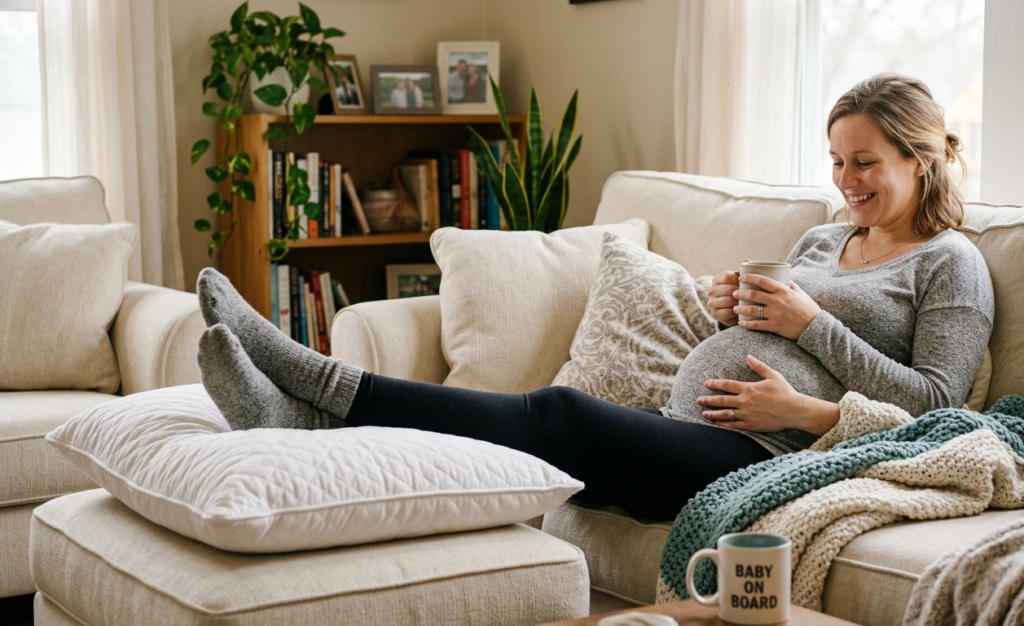
What Are Swollen Feet During Pregnancy?
Swollen feet during pregnancy occur when extra fluid builds up in the tissues of your feet, ankles, and lower legs. During pregnancy, your body produces more blood and body fluids to support your growing baby. At the same time, your expanding uterus places pressure on nearby blood vessels, making it harder for blood and fluids to return from your legs to your heart. As a result, fluid collects in the lower parts of your body, causing swelling. This condition is usually harmless and tends to become more noticeable later in the day or after standing for long periods.
Common Causes of Swollen Feet during Pregnancy
Several factors contribute to swelling during pregnancy.
Increased Blood Volume
Your blood volume increases significantly during pregnancy to provide oxygen and nutrients to your baby. This extra fluid can collect in your feet and ankles.
Hormonal Changes
Pregnancy hormones relax your blood vessels and ligaments. While this helps prepare your body for childbirth, it also slows circulation and encourages fluid retention.
Pressure from the Growing Uterus
As your baby grows, your uterus puts pressure on the veins in your pelvis. This pressure slows blood flow from your legs back to your heart, leading to swelling.
Hot Weather
Warm temperatures cause blood vessels to expand, making it easier for fluid to leak into surrounding tissues.
Standing or Sitting Too Long
Remaining in one position for several hours reduces healthy blood circulation and increases swelling.
High Sodium Intake
Eating foods high in salt can cause your body to retain more water, making swelling worse.
Dehydration
It may sound surprising, but not drinking enough water encourages your body to hold onto fluids.
Symptoms of Swollen Feet during Pregnancy
Most women experience mild swelling that gradually develops over time. Common symptoms include:
- Puffy feet
- Swollen ankles
- Tight shoes
- Shiny or stretched skin
- Mild discomfort while walking
- Temporary swelling after standing
- Swelling that improves after resting
Stages of Pregnancy When Swelling Is Most Common
Stages of Pregnancy when Swelling is most common are given as below:
| Pregnancy Stage | Swelling Level |
| First Trimester | Usually minimal |
| Second Trimester | Mild to moderate |
| Third Trimester | Most noticeable |
| Final Weeks | Common and expected |
Many women notice swelling becomes worse during the evening and improves after sleeping overnight.
Is Swollen Feet during Pregnancy Normal?
Yes. Mild swelling is considered a normal part of a healthy pregnancy. However, you should always pay attention to sudden or severe swelling, particularly if it affects only one leg or is accompanied by other symptoms.
Safe Ways to Reduce Swollen Feet during Pregnancy
Fortunately, several simple lifestyle changes can help reduce swelling naturally.
- Elevate Your Feet: Raise your feet above heart level whenever possible. This encourages fluid to move back toward your heart.
- Stay Active: Gentle movement improves blood circulation.Good options include Walking, Prenatal yoga, Swimming and Stretching exercises.Always follow your healthcare provider’s advice before starting any exercise routine.
- Drink Plenty of Water: Proper hydration helps your kidneys remove excess sodium and reduces fluid retention.Aim to drink enough water throughout the day unless your healthcare provider recommends otherwise.
- Wear Comfortable Shoes: Choose shoes that provide good support without squeezing your feet. Avoid High heels, tight sandals and Narrow shoes. Supportive athletic shoes are often the most comfortable option.
- Wear Compression Socks: Compression socks gently improve blood circulation and help reduce swelling. Ask your healthcare provider which compression level is appropriate for you.
- Sleep on Your Left Side: Sleeping on your left side reduces pressure on major blood vessels and improves circulation to both you and your baby.
- Avoid Standing Too Long: If your job requires standing, take regular sitting breaks. If you sit most of the day, stand up and walk around every hour.
Foods That May Help Reduce Swelling
A healthy pregnancy diet supports better circulation and fluid balance. Include foods such as:
- Bananas
- Spinach
- Cucumbers
- Watermelon
- Oranges
- Berries
- Yogurt
- Oats
- Sweet potatoes
- Avocados
These foods provide important nutrients including potassium, magnesium, fiber, and water.
Foods to Limit
Some foods may increase water retention. Try to reduce:
- Processed snacks
- Fast food
- Salty chips
- Instant noodles
- Processed meats
- Sugary drinks
Eating fresh, balanced meals is usually the healthier choice.
Home Remedies for Swollen Feet During Pregnancy
Many natural remedies may provide relief.
| Home Remedy | Benefit |
| Foot elevation | Improves circulation |
| Cold compress | Reduces discomfort |
| Gentle walking | Prevents fluid buildup |
| Swimming | Relieves pressure on joints |
| Foot massage | Encourages blood flow |
| Drinking water | Helps reduce water retention |
| Comfortable footwear | Prevents extra pressure |
Always consult your healthcare provider before trying herbal supplements or alternative treatments.
See a Doctor
Although swelling is usually harmless, certain symptoms require immediate medical attention. Contact your healthcare provider if you experience:
- Sudden swelling of the face
- Severe swelling in one leg
- Redness or warmth in one leg
- Severe headache
- Blurred vision
- Chest pain
- Difficulty breathing
- Swelling accompanied by high blood pressure
These symptoms could indicate conditions such as preeclampsia or a blood clot.
Effect of Swollen Feet the Baby
In most healthy pregnancies, swollen feet do not affect your baby’s growth or development. Swelling is usually a normal response to increased blood volume and fluid retention. However, swelling caused by underlying medical conditions should always be evaluated promptly to protect both mother and baby.
Tips to Prevent Swollen Feet during Pregnancy
While swelling cannot always be prevented, healthy habits can reduce its severity.
- Drink enough water every day.
- Stay physically active.
- Avoid sitting with crossed legs.
- Wear comfortable shoes.
- Reduce excessive salt intake.
- Eat a balanced diet rich in fruits and vegetables.
- Rest with your feet elevated.
- Sleep on your left side.
- Take short walks throughout the day.
- Maintain regular prenatal appointments.
Conclusion:
Swollen feet during pregnancy are one of the most common and usually harmless symptoms experienced by expectant mothers. Increased blood volume, hormonal changes, and the pressure of a growing uterus all contribute to fluid buildup in the feet and ankles. Fortunately, simple measures such as drinking enough water, staying active, elevating your feet, wearing supportive shoes, and eating a healthy diet can provide significant relief.
Although mild swelling is normal, it is important to recognize warning signs such as sudden swelling, severe headaches, blurred vision, chest pain, or swelling in only one leg. These symptoms require immediate medical evaluation to rule out serious pregnancy complications. By following healthy daily habits and attending regular prenatal checkups, most women can manage swollen feet comfortably and enjoy a healthier pregnancy journey.
FAQs:
- Are swollen feet during pregnancy normal?
Yes. Mild swelling is very common, especially during the third trimester.
- When does swelling usually start?
Most women notice swelling during the second trimester, with symptoms becoming more noticeable as pregnancy progresses.
- Is walking good for swollen feet?
Yes. Gentle walking promotes healthy blood circulation and may reduce swelling.
- Should I drink more water if my feet are swollen?
Yes. Staying hydrated helps your body regulate fluid balance and may reduce water retention.
- Can swollen feet be prevented completely?
Not always. Pregnancy naturally increases fluid retention, but healthy lifestyle habits can reduce swelling.
- Is swelling worse in hot weather?
Yes. Heat causes blood vessels to expand, making swelling more noticeable.
