
Polycystic Ovary Syndrome (PCOS) is one of the most common hormonal disorders affecting women of reproductive age. Yet, many women live with PCOS symptoms for years before receiving a proper diagnosis. Understanding the signs you have PCOS can help you seek medical advice earlier, manage symptoms effectively, and protect your long-term health.
In this comprehensive guide, we’ll explore the most common signs of PCOS, lesser-known symptoms, risk factors, diagnosis methods, treatment options, and frequently asked questions. Whether you’re experiencing irregular periods, unexplained weight gain, excessive hair growth, or fertility concerns, this article will help you understand what PCOS is and how it may affect your body.
What Is PCOS?
Polycystic Ovary Syndrome (PCOS) is a hormonal condition that affects the ovaries and the body’s endocrine system. Women with PCOS often have elevated levels of androgens, commonly known as male hormones, which can disrupt normal ovulation and menstrual cycles. Despite its name, not all women with PCOS have ovarian cysts. The condition is diagnosed based on a combination of symptoms, hormone levels, and ovarian appearance on ultrasound.
Most Common Signs You Have PCOS
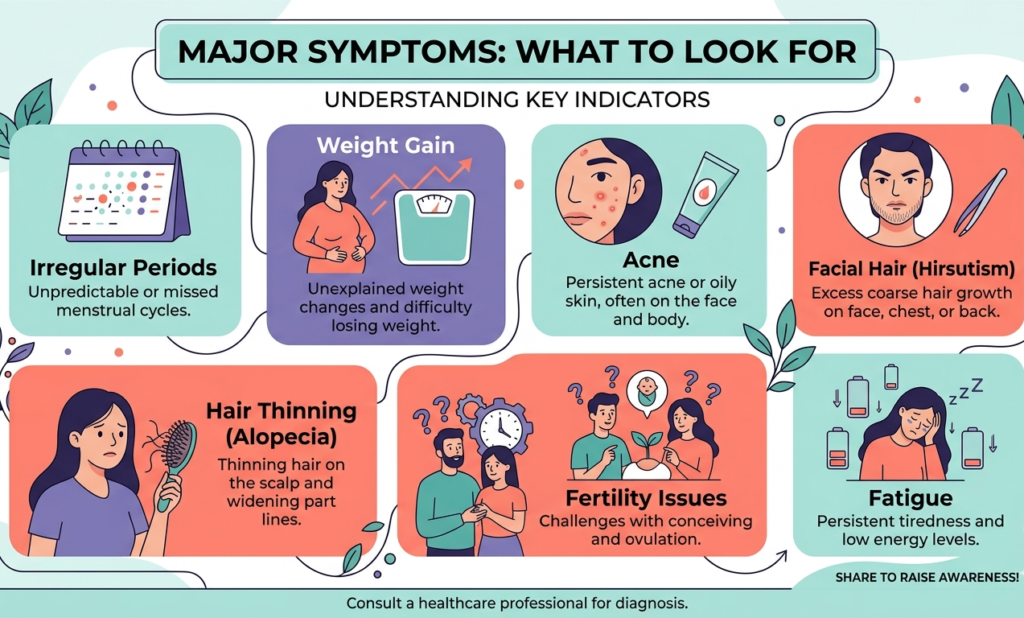
The symptoms of PCOS can vary significantly from person to person. Some women experience only a few symptoms, while others may have multiple signs that affect daily life.
1. Irregular Menstrual Periods
One of the most common signs of PCOS is irregular menstruation. You may notice:
- Periods that occur less frequently than normal
- Missed periods for months at a time
- Extremely heavy menstrual bleeding
- Very light periods
- Unpredictable menstrual cycles
Women with PCOS often do not ovulate regularly. Without consistent ovulation, menstrual cycles become irregular or absent.
Examples
| Normal Cycle | Possible PCOS Pattern |
| Every 21-35 days | Every 40-90 days |
| Predictable timing | Unpredictable timing |
| Regular ovulation | Infrequent ovulation |
| Consistent flow | Heavy or absent periods |
If you’ve always struggled with irregular periods, PCOS may be worth discussing with a healthcare provider.
2. Excessive Hair Growth (Hirsutism)
Another major sign you have PCOS is excessive hair growth in areas where women typically have minimal hair. Common areas include:
- Chin
- Upper lip
- Neck
- Chest
- Lower abdomen
- Back
This occurs because elevated androgen levels stimulate hair follicles. Many women describe needing frequent facial hair removal, waxing, threading, or shaving.
Why It Happens: PCOS often increases testosterone and other androgen hormones. These hormones can trigger male-pattern hair growth while also contributing to scalp hair thinning.
3. Persistent Acne
Hormonal acne is a common symptom of PCOS. Unlike occasional breakouts, PCOS-related acne may appear on the jawline, affect the chin area, continue into adulthood, resist traditional acne treatments and become painful and cystic. If you’re in your twenties, thirties, or beyond and still struggling with severe acne, hormonal imbalance caused by PCOS may be a contributing factor.
4. Weight Gain or Difficulty Losing Weight
Many women with PCOS experience unexplained weight gain. Common complaints include:
- Rapid weight gain
- Belly fat accumulation
- Difficulty losing weight despite exercise
- Constant cravings
- Slow metabolism
This is often linked to insulin resistance, a condition that frequently accompanies PCOS.
PCOS and Insulin Resistance: Insulin helps regulate blood sugar. When cells become resistant to insulin, the body produces more of it.High insulin levels can increase androgen production,promote fat storage,increase hungerandmake weight loss more difficult. Not every woman with PCOS is overweight. Lean PCOS also exists, meaning symptoms can occur regardless of body size.
5. Thinning Hair or Hair Loss
While excess hair growth occurs in some areas, many women with PCOS experience hair thinning on the scalp. Signs include:
- Wider hair part
- Reduced hair volume
- Increased shedding
- Thinning near the crown
This pattern resembles male-pattern hair loss and is linked to elevated androgen levels. Hair loss associated with PCOS often develops gradually over time.
6. Difficulty Getting Pregnant
Many women first discover they have PCOS when trying to conceive. Because ovulation may occur irregularly or not at all, fertility challenges are common.
Fertility Signs Related to PCOS
- Irregular ovulation
- No ovulation
- Difficulty tracking fertile days
- Repeated unsuccessful attempts to conceive
The good news is that many women with PCOS successfully become pregnant with lifestyle changes, medications, or fertility treatments.
7. Dark Patches of Skin
A lesser-known sign of PCOS is acanthosis nigricans. This condition causes dark, velvety skin patches that commonly appear on:
- Neck
- Underarms
- Groin
- Under the breasts
These patches are often associated with insulin resistance. If you notice skin darkening that cannot be explained by sun exposure, it may warrant medical evaluation.
8. Skin Tags
Small skin growths called skin tags are more common in women with PCOS. They often appear around:
- Neck
- Armpits
- Eyelids
- Under the breasts
Although harmless, skin tags may indicate underlying insulin resistance.
9. Mood Changes and Mental Health Symptoms
PCOS affects more than physical health. Many women report:
- Anxiety
- Depression
- Mood swings
- Low self-esteem
- Emotional distress
Hormonal fluctuations, fertility concerns, and physical symptoms can all impact mental well-being. Studies suggest women with PCOS may experience higher rates of anxiety and depression compared to women without the condition.
10. Fatigue and Low Energy
Constant tiredness can be another sign of PCOS. Many women describe:
- Feeling exhausted despite sleeping enough
- Afternoon energy crashes
- Brain fog
- Difficulty concentrating
Potential contributors include insulin resistance, sleep disturbances, hormonal imbalance and inflammation. Persistent fatigue should not be ignored, especially when combined with other PCOS symptoms.
Early Signs of PCOS in Teenagers
PCOS symptoms often begin during adolescence. Possible early warning signs include:
- Irregular periods several years after puberty
- Severe acne
- Rapid weight gain
- Excess facial hair
- Dark skin patches
- Hair thinning
Because some menstrual irregularity is normal during early puberty, diagnosis in teenagers can sometimes be challenging.
Less Common Signs You Have PCOS
Some women experience symptoms that are not frequently discussed. These may include:
- Sleep problems
- Snoring or sleep apnea
- Pelvic discomfort
- Chronic inflammation
- Increased appetite
- Headaches
- Brain fog
- High cholesterol levels
Not everyone experiences these symptoms, but they can occur alongside classic PCOS signs.
PCOS Symptoms Checklist
Use this checklist to see whether your symptoms align with common PCOS indicators.
| Symptom | Common in PCOS |
| Irregular periods | Yes |
| Missed periods | Yes |
| Excess facial hair | Yes |
| Adult acne | Yes |
| Weight gain | Yes |
| Difficulty losing weight | Yes |
| Hair thinning | Yes |
| Fertility problems | Yes |
| Dark skin patches | Yes |
| Skin tags | Yes |
| Fatigue | Yes |
| Mood changes | Yes |
Having several of these symptoms does not automatically mean you have PCOS, but it may justify medical evaluation.
What Causes PCOS?
Researchers do not fully understand the exact cause of PCOS. Several factors appear to contribute:
- Genetics: PCOS often runs in families. If your mother, sister, or close relative has PCOS, your risk may be higher.
- Insulin Resistance: Many women with PCOS have insulin resistance, which contributes to elevated androgen levels.
- Hormonal Imbalance: Higher-than-normal androgen levels can interfere with ovulation and normal reproductive function.
- Chronic Inflammation: Low-grade inflammation may stimulate increased androgen production and worsen symptoms.
How Is PCOS Diagnosed?
There is no single test that confirms PCOS. Healthcare providers typically evaluate several factors.
Medical History: Your doctor may ask about menstrual cycles, weight changes, hair growth, fertility concerns, and family history
Blood Tests: Hormone testing may include testosterone, DHEA-S, LH, FSH, thyroid hormones and blood sugar levels
Pelvic Ultrasound: An ultrasound may reveal enlarged ovaries or multiple small follicles that are characteristic of PCOS.
Diagnostic Criteria: Most healthcare professionals use established criteria that require at least two of the following:
- Irregular ovulation
- Elevated androgen levels
- Polycystic ovarian appearance on ultrasound
Health Risks Associated With PCOS
Untreated PCOS may increase the risk of several long-term health conditions. These include Type 2 diabetes, prediabetes, high blood pressure, high cholesterol, heart disease, sleep apnea, endometrial cancer and infertility. Early diagnosis and management can help reduce these risks.
PCOS Treatment?
While there is currently no cure for PCOS, symptoms can often be managed effectively.
Lifestyle Changes
Many women benefit from:
- Regular exercise
- Balanced nutrition
- Weight management
- Adequate sleep
- Stress reduction
Even modest weight loss may improve hormone balance and menstrual regularity in some women.
Medications
Treatment options may include:
- Birth control pills
- Metformin
- Anti-androgen medications
- Fertility medications
- Acne treatments
Treatment plans vary depending on symptoms and reproductive goals.
When Should You See a Doctor?
You should consider medical evaluation if you experience:
- Frequent missed periods
- Excess facial hair growth
- Persistent acne
- Hair thinning
- Difficulty becoming pregnant
- Rapid unexplained weight gain
- Dark patches of skin
Early intervention can improve symptom management and overall health outcomes.
Final Thoughts: Recognizing the Signs You Have PCOS
Recognizing the signs you have PCOS is the first step toward better health and symptom management. Irregular periods, excess hair growth, acne, weight gain, hair thinning, fertility challenges, and insulin resistance are among the most common indicators of this hormonal condition. Because symptoms vary widely from person to person, many women remain undiagnosed for years. If you notice multiple PCOS symptoms affecting your daily life, speaking with a healthcare professional can help you receive an accurate diagnosis and appropriate treatment plan.
By understanding the early signs of PCOS, addressing hormonal imbalances, and adopting healthy lifestyle habits, many women successfully manage symptoms, improve fertility, and reduce long-term health risks.
FAQs:
- Can You Have PCOS With Regular Periods?
Yes. Some women with PCOS have relatively regular menstrual cycles but still experience other symptoms such as elevated androgen levels or polycystic ovaries.
- Does Every Woman With PCOS Have Ovarian Cysts?
No. The name can be misleading. Many women diagnosed with PCOS do not actually have ovarian cysts.
- Is PCOS Curable?
There is no permanent cure, but symptoms can often be controlled successfully through lifestyle changes and medical treatment.
- Can PCOS Cause Weight Gain?
Yes. Insulin resistance and hormonal changes commonly contribute to weight gain and make weight loss more difficult.
- Can You Get Pregnant With PCOS?
Absolutely. Many women with PCOS conceive naturally or with fertility support.
