
Pelvic pain is a common health concern that affects both women and men, although it is more frequently reported in women. It can range from a mild, dull ache to severe, sharp pain that interferes with everyday life. Some people experience pelvic pain occasionally, while others deal with chronic pelvic pain that lasts for months or even years.
Understanding the cause of pelvic pain is important because it can be linked to several medical conditions, including reproductive disorders, urinary tract problems, digestive issues, muscle injuries, or nerve-related conditions. Early diagnosis and proper treatment can help reduce discomfort and improve quality of life. In this comprehensive guide, we will explore the causes, symptoms, diagnosis, treatment options, prevention strategies, and when you should seek medical attention for pelvic pain.
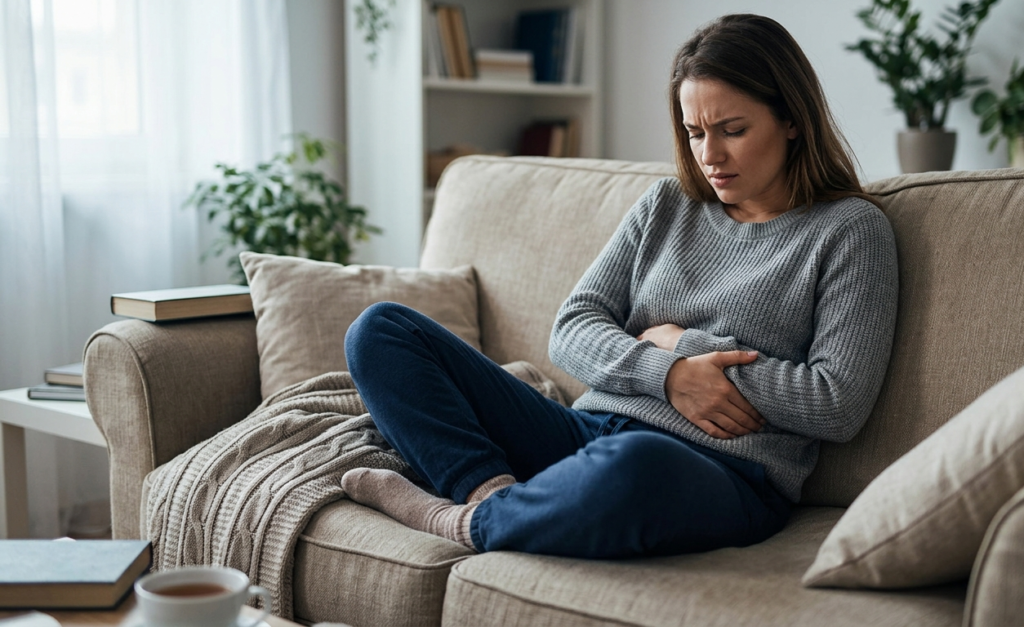
What Is Pelvic Pain?
Pelvic pain refers to discomfort or pain felt in the lower part of the abdomen, below the belly button and between the hip bones. The pain may be constant or come and go. It may feel sharp, dull, cramping, burning, or throbbing depending on the underlying cause. Pelvic pain can occur suddenly, known as acute pelvic pain, or persist for six months or longer, which is referred to as chronic pelvic pain.
Common Symptoms of Pelvic Pain
Pelvic pain may be accompanied by various symptoms depending on its cause. These include:
- Lower abdominal pain
- Pain during urination
- Pain during bowel movements
- Pain during sexual intercourse
- Menstrual cramps that are more severe than usual
- Lower back pain
- Bloating
- Abnormal vaginal bleeding
- Pain while sitting or standing
- Frequent urination
- Difficulty emptying the bladder
- Nausea or vomiting in severe cases
Some people experience pain only during specific activities, while others may have persistent discomfort throughout the day.
Common Causes of Pelvic Pain
Pelvic pain has many possible causes. Identifying the source is essential for choosing the right treatment.
| Cause | Description |
| Menstrual cramps | Normal uterine contractions during menstruation can cause pelvic discomfort. |
| Endometriosis | Tissue similar to the uterine lining grows outside the uterus, causing severe pain. |
| Ovarian cysts | Fluid-filled sacs on the ovaries may cause pain if they rupture or become enlarged. |
| Pelvic inflammatory disease | A bacterial infection affecting the female reproductive organs. |
| Urinary tract infection | Infection in the bladder or urinary system can lead to pelvic pain and burning during urination. |
| Kidney stones | Stones passing through the urinary tract often cause severe lower abdominal pain. |
| Irritable bowel syndrome | Digestive disorders can cause cramping and pelvic discomfort. |
| Constipation | Pressure from the intestines may create pelvic pain. |
| Muscle strain | Injuries to pelvic floor muscles may cause persistent pain. |
| Hernia | A weakened abdominal wall can produce pain in the pelvic region. |
Pelvic Pain in Women
Women experience pelvic pain more often because of reproductive health conditions. Some common causes include:
- Endometriosis: Endometriosis occurs when tissue similar to the lining of the uterus grows outside the uterus. This condition often causes severe menstrual pain, pain during intercourse, infertility, and chronic pelvic pain.
- Ovarian Cysts: Small ovarian cysts are common and often harmless. However, large cysts or ruptured cysts may cause sudden, intense pelvic pain.
- Pelvic Inflammatory Disease: Pelvic inflammatory disease is an infection affecting the uterus, fallopian tubes, or ovaries. It usually develops from untreated sexually transmitted infections and may lead to chronic pain if not treated promptly.
- Fibroids: Uterine fibroids are noncancerous growths that can cause heavy menstrual bleeding, pressure, and pelvic discomfort.
- Pregnancy Related Conditions: Pelvic pain during pregnancy may result from ligament stretching, but severe pain could indicate ectopic pregnancy or miscarriage and requires immediate medical attention.
Pelvic Pain in Men
Although less common, men also experience pelvic pain. Common causes include:
- Prostatitis
- Urinary tract infections
- Kidney stones
- Hernias
- Muscle injuries
- Bladder disorders
- Chronic pelvic pain syndrome
Pain may occur around the lower abdomen, groin, testicles, or lower back.
Risk Factors for Pelvic Pain
Several factors increase the likelihood of developing pelvic pain, including:
- Previous pelvic infections
- Endometriosis
- Fibroids
- Pregnancy
- Surgery involving the pelvis
- Urinary tract infections
- Chronic constipation
- Irritable bowel syndrome
- Heavy lifting
- Obesity
- Stress and anxiety
Understanding your risk factors helps you seek timely medical evaluation.
Pelvic Pain Diagnosed
Diagnosing pelvic pain often requires a detailed medical history and physical examination. Your healthcare provider may ask about:
- When the pain started
- Where the pain occurs
- Pain intensity
- Menstrual history
- Pregnancy history
- Urinary symptoms
- Digestive symptoms
- Sexual health history
Additional tests may include:
- Blood tests
- Urine analysis
- Pregnancy test
- Ultrasound
- CT scan
- MRI
- Pelvic examination
- Laparoscopy for suspected endometriosis
- Colonoscopy if digestive disorders are suspected
Accurate diagnosis is essential because pelvic pain can have multiple overlapping causes.
Treatment Options for Pelvic Pain
Treatment depends on the underlying condition causing the pain.
Medications
Doctors may prescribe:
- Pain relievers
- Anti-inflammatory medications
- Antibiotics for infections
- Hormonal therapy for endometriosis
- Muscle relaxants
- Medications for nerve pain
Physical Therapy
Pelvic floor physical therapy can strengthen muscles, reduce tension, and improve mobility. It is especially helpful for chronic pelvic pain syndrome.
Lifestyle Changes
Simple lifestyle adjustments can significantly improve symptoms. These include:
- Regular exercise
- Healthy diet
- Drinking enough water
- Managing stress
- Maintaining a healthy weight
- Avoiding prolonged sitting
- Improving posture
Surgery
Surgery may be necessary for conditions such as:
- Endometriosis
- Large ovarian cysts
- Fibroids
- Hernias
- Severe pelvic inflammatory disease complications
The choice of surgery depends on the individual’s condition and overall health.
Home Remedies for Mild Pelvic Pain
Some cases of mild pelvic pain may improve with self-care measures. Helpful home remedies include:
- Applying a heating pad to the lower abdomen
- Gentle stretching exercises
- Warm baths
- Drinking plenty of fluids
- Resting during severe discomfort
- Practicing stress reduction techniques
- Eating a high-fiber diet to prevent constipation
Home remedies should not replace medical care if pain is severe or persistent.
You See a Doctor
Seek medical attention if you experience:
- Severe or sudden pelvic pain
- Fever with pelvic pain
- Heavy vaginal bleeding
- Pain during pregnancy
- Blood in urine
- Difficulty passing urine
- Persistent pain lasting several weeks
- Unexplained weight loss
- Severe nausea or vomiting
- Fainting or dizziness
Early medical evaluation can help prevent complications.
Pelvic Pain and Prevention
Not all causes of pelvic pain can be prevented, but healthy habits can lower your risk. Prevention tips include:
- Practice safe sex.
- Stay physically active.
- Drink enough water daily.
- Eat a balanced diet rich in fiber.
- Avoid smoking.
- Maintain a healthy body weight.
- Treat urinary tract infections promptly.
- Attend regular health checkups.
- Follow recommended gynecological screenings.
- Practice good posture and core strengthening exercises.
FAQs:
- Is pelvic pain always serious?
No. Pelvic pain may result from minor issues like menstrual cramps or constipation. However, persistent or severe pain should always be evaluated by a healthcare professional.
- Can stress cause pelvic pain?
Yes. Chronic stress and anxiety can contribute to muscle tension, particularly in the pelvic floor muscles, leading to pain and discomfort.
- Can men develop chronic pelvic pain?
Yes. Men can develop chronic pelvic pain syndrome, prostatitis, urinary tract conditions, or muscle-related pain affecting the pelvic region.
- What is the difference between acute and chronic pelvic pain?
Acute pelvic pain begins suddenly and usually lasts for a short time. Chronic pelvic pain persists for six months or longer and may require long-term management.
- Can exercise help pelvic pain?
Yes. Gentle exercise, stretching, and pelvic floor physical therapy may help reduce pain caused by muscle tension or weakness. However, certain conditions require medical treatment before beginning an exercise program.
Conclusion
Pelvic pain is a symptom that should never be ignored, especially if it is severe, persistent, or accompanied by other concerning symptoms. Because pelvic pain can result from reproductive, urinary, digestive, muscular, or nerve-related conditions, obtaining an accurate diagnosis is the first step toward effective treatment.
Whether the discomfort is caused by menstrual cramps, endometriosis, urinary tract infections, pelvic floor dysfunction, or digestive disorders, early medical evaluation can improve outcomes and prevent complications. Maintaining a healthy lifestyle, staying active, practicing good hygiene, and seeking prompt medical care when symptoms arise can help protect your pelvic health and improve your overall quality of life.
