
Pregnancy tests have become one of the easiest and fastest ways to find out if you are pregnant. Whether you are trying to conceive, dealing with a missed period, or simply want peace of mind, understanding pregnancy test accuracy is important before trusting the result. The good news is that modern pregnancy tests are highly accurate when they are used correctly. However, timing, testing method, hormone levels, medications, and even user error can affect the final result. In this complete guide, you’ll learn everything you need to know about pregnancy test accuracy, what impacts the results, common mistakes to avoid, and how to improve your chances of getting an accurate answer.
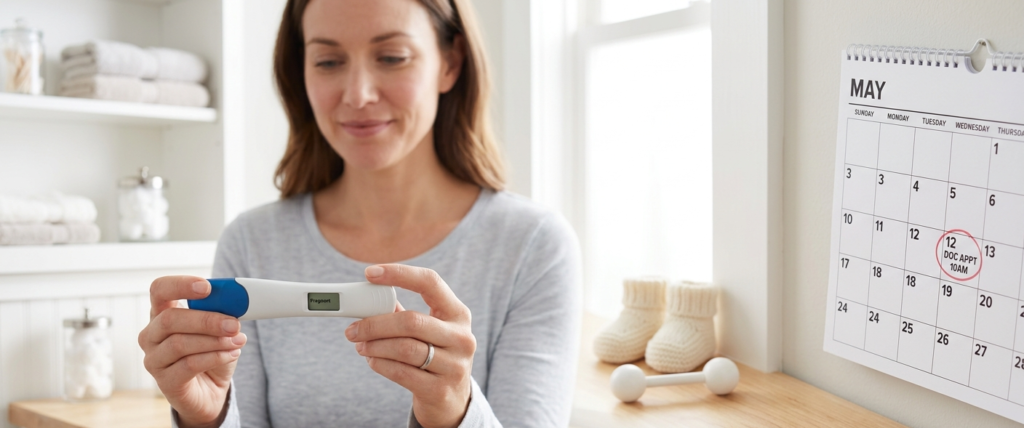
What Is a Pregnancy Test?
A pregnancy test checks for the presence of Human Chorionic Gonadotropin (hCG), also known as the pregnancy hormone. After a fertilized egg implants into the uterus, the body begins producing hCG. The amount of this hormone increases rapidly during the first several weeks of pregnancy. Pregnancy tests detect this hormone either in:
- Urine
- Blood
Once enough hCG is present, the test can produce a positive result.
How Accurate Are Pregnancy Tests?
Most home pregnancy tests claim to be 99% accurate when used correctly and after a missed period. However, real-life accuracy depends on several factors including:
| Factor | Effect on Accuracy |
| Testing too early | Higher chance of false negative |
| Following instructions | Improves accuracy |
| Time of day | First morning urine gives best results |
| Expired test | Less reliable results |
| Low hCG levels | May not be detected early |
| Certain medical conditions | Can affect results in rare cases |
While laboratory blood tests are slightly more sensitive than home urine tests, home pregnancy tests remain highly reliable for most people.
How Does a Pregnancy Test Work?
Pregnancy tests detect hCG in urine or blood. The process usually follows these steps:
- Fertilization occurs.
- Implantation happens about 6 to 12 days later.
- The body begins producing hCG.
- hCG levels double approximately every 48 to 72 hours during early pregnancy.
- Once enough hCG is present, the test becomes positive.
Understanding this timeline explains why testing too early often leads to incorrect results.
Best Time to Take a Pregnancy Test
Timing is one of the biggest factors affecting pregnancy test accuracy. For the most reliable result:
- Wait until the first day of your missed period.
- For even better accuracy, wait 2 to 7 days after a missed period.
- Use your first morning urine because it contains the highest concentration of hCG.
Many “early detection” pregnancy tests can identify pregnancy several days before a missed period, but the accuracy is lower because hCG levels may still be too low.
Pregnancy Test Accuracy by Day
| Time | Expected Accuracy |
| 6 to 8 days after ovulation | Very low |
| 8 to 10 days after ovulation | Low |
| 10 to 12 days after ovulation | Moderate |
| 1 day before missed period | Good with sensitive tests |
| First day of missed period | Very high |
| One week after missed period | Highest accuracy |
Waiting just a few extra days can significantly reduce the chance of a false negative.
Home Pregnancy Test Accuracy
Home pregnancy tests have improved significantly over the years. Advantages include:
- Fast results
- Affordable
- Private testing
- Available without a prescription
- Easy to use
When instructions are followed carefully, most home pregnancy tests deliver highly accurate results.
Blood Pregnancy Test Accuracy
Doctors may recommend a blood pregnancy test in certain situations. Blood tests can:
- Detect lower levels of hCG
- Confirm pregnancy earlier
- Measure exact hCG levels
- Help monitor early pregnancy
Blood tests are especially useful if there is concern about miscarriage, ectopic pregnancy, or fertility treatment.
Cause of a False Negative Pregnancy Test
A false negative means the test says you are not pregnant when you actually are. This is much more common than a false positive. Common reasons include:
Testing Too Early
This is the number one cause. Your body may not have produced enough hCG for detection.
Diluted Urine
Drinking a lot of water before testing lowers hCG concentration.
Incorrect Test Use
Common mistakes include:
- Reading results too early
- Reading results too late
- Not following instructions
- Using too little urine
- Using the wrong testing method
Expired Pregnancy Test
Expired tests may lose sensitivity over time. Always check the expiration date before use.
Low hCG Levels
Some pregnancies naturally produce hCG more slowly. Retesting after 48 hours often provides a more accurate answer.
What Can Cause a False Positive Pregnancy Test?
False positives are rare but possible. Possible causes include:
- Recent pregnancy
- Recent miscarriage
- Certain fertility medications containing hCG
- Chemical pregnancy
- Rare medical conditions
- User error
- Evaporation lines mistaken for positive results
If you receive a positive result and have concerns, follow up with a healthcare provider for confirmation.
Digital Pregnancy Test vs Traditional Test
Many people wonder which option is better.
| Feature | Digital Test | Line Test |
| Easy to read | Excellent | Good |
| Shows words | Yes | No |
| Cost | Higher | Lower |
| Accuracy | Similar | Similar |
| Convenience | Excellent | Very Good |
Both types detect hCG. Digital tests mainly reduce confusion when interpreting faint lines.
Factors That Affect Pregnancy Test Accuracy
Several factors influence the reliability of your result.
- Testing Too Soon: The earlier you test, the greater the chance of a false negative.
- Following Instructions: Always read the manufacturer’s instructions before testing. Every brand has slightly different procedures.
- Storage Conditions: Pregnancy tests should be stored in a cool, dry place. Extreme heat or moisture can damage the test.
- Medications: Most antibiotics and birth control pills do not affect pregnancy test results. However, fertility medications containing hCG may cause false positives.
- Medical Conditions: Certain uncommon medical conditions may interfere with pregnancy test results, although this is rare.
Signs You Should Retest
Consider taking another pregnancy test if:
- Your period still hasn’t started.
- You tested before your missed period.
- You received an unclear result.
- The control line didn’t appear.
- Symptoms continue despite a negative test.
Waiting 48 hours before retesting allows hCG levels to rise if pregnancy is present.
Common Pregnancy Symptoms
While symptoms alone cannot confirm pregnancy, many people experience:
- Missed period
- Morning sickness
- Breast tenderness
- Fatigue
- Frequent urination
- Mild cramping
- Food cravings
- Mood changes
- Nausea
- Increased sensitivity to smells
If you have these symptoms with a negative pregnancy test, retesting after a few days is often recommended.
How to Improve Pregnancy Test Accuracy
Follow these tips for the most reliable result:
- Wait until after your missed period.
- Use first morning urine.
- Check the expiration date.
- Read the instructions carefully.
- Avoid drinking excessive fluids beforehand.
- Set a timer according to the instructions.
- Read the result within the recommended time window.
- Repeat the test after 48 hours if needed.
These simple steps greatly improve the reliability of home pregnancy testing.
Pregnancy Test Accuracy Myths
Pregnancy test accuracy myths are given as below:
Myth: A Faint Line Means You Are Not Pregnant
Fact: A faint line often means hCG levels are still low. Any colored test line within the reading window may indicate pregnancy.
Myth: Drinking Water Improves Accuracy
Fact: Too much water can dilute urine and reduce hCG concentration.
Myth: All Pregnancy Tests Work the Same
Fact: Different brands vary in sensitivity, ease of use, and how early they can detect pregnancy.
Myth: Home Tests Are Unreliable
Fact: Modern home pregnancy tests are highly accurate when used correctly.
Conclusion
Pregnancy tests are one of the most reliable tools for detecting pregnancy, especially when used correctly. Most home pregnancy tests offer around 99% accuracy after a missed period, making them a convenient first step for anyone wondering if they are pregnant. The key to getting an accurate result is timing. Testing too early, using diluted urine, or not following the instructions can all increase the chances of a false negative. Using first morning urine, checking the expiration date, and waiting until at least the day of your missed period can significantly improve accuracy.
If you receive a positive result, scheduling an appointment with your healthcare provider is the next step to confirm the pregnancy and begin prenatal care. If your result is negative but your period remains late or you continue to experience pregnancy symptoms, repeat the test after two days or seek medical advice. Understanding how pregnancy tests work and what influences their accuracy helps you make informed decisions with greater confidence.
FAQs:
- Are home pregnancy tests really 99% accurate?
Yes, many home pregnancy tests are about 99% accurate when taken after a missed period and according to the instructions.
- Can I take a pregnancy test at night?
Yes, but first morning urine is generally recommended because it contains the highest concentration of hCG, especially in early pregnancy.
- Can stress affect a pregnancy test?
Stress itself does not change the result of a pregnancy test. However, it can sometimes affect your menstrual cycle, making it harder to know the best time to test.
- How soon after implantation can a pregnancy test detect pregnancy?
Some highly sensitive tests may detect pregnancy about 8 to 10 days after ovulation, but waiting until after a missed period provides much better accuracy.
- Should I take another test if the first one is negative?
If your period still has not started or pregnancy symptoms continue, repeat the test after 48 hours or speak with a healthcare provider.
