
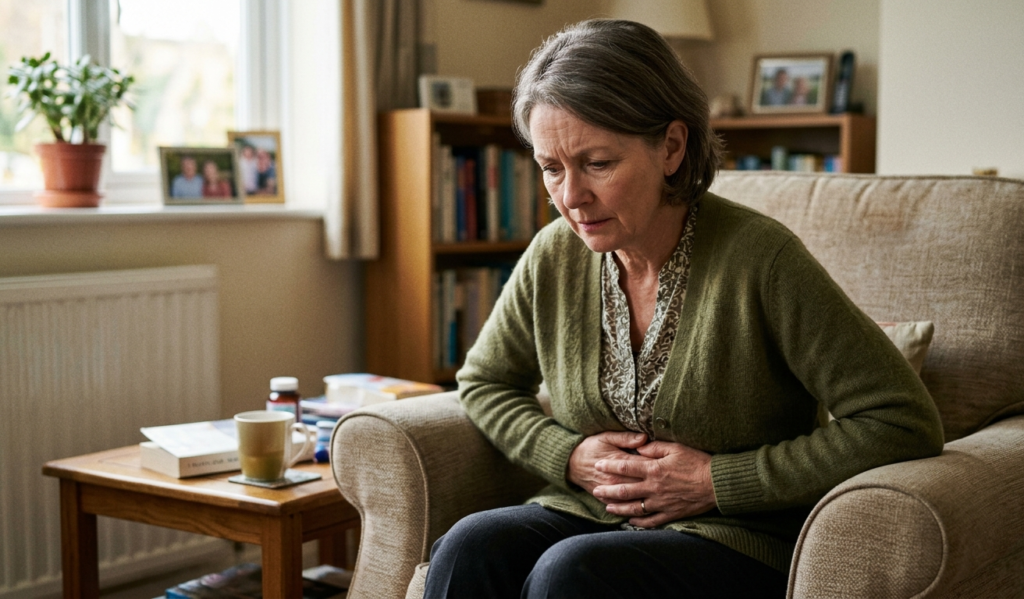
Menopause is supposed to mark the end of menstrual periods. So when bleeding suddenly appears months or even years later, it can feel confusing, alarming, and unexpected. Many women are going through this so the short answer is no, true menstrual periods do not return after menopause. However, postmenopausal bleeding can happen for several reasons, ranging from harmless hormonal changes to serious medical conditions that need immediate attention. This detailed guide explains everything you need to know about bleeding after menopause, including common causes, warning signs, diagnosis, treatment options, and when to see a doctor.
What Is Menopause?
Menopause officially happens when a woman has gone 12 consecutive months without a menstrual period. It usually occurs between ages 45 and 55, with the average age around 51. Menopause happens because the ovaries stop producing eggs and hormone levels, especially estrogen and progesterone, decline significantly.
After menopause monthly periods stop permanently, ovulation no longer occurs, pregnancy is no longer possible naturally and hormone levels become lower and more stable. So if bleeding starts again after this stage, it is not considered a normal menstrual period.
Can Periods Really Return After Menopause?
No, true periods do not come back after menopause. If bleeding happens after menopause, doctors call it postmenopausal bleeding. Postmenopausal bleeding may look like:
- Light spotting
- Pink or brown discharge
- Heavy bleeding similar to a period
- Intermittent bleeding
- Bleeding after sex
Even small amounts of blood should never be ignored because they can sometimes indicate an underlying health issue.
How Common Is Bleeding After Menopause?
Postmenopausal bleeding is actually fairly common. Studies suggest that up to 10% of postmenopausal women experience vaginal bleeding at some point. The good news is that many causes are not dangerous. However, because postmenopausal bleeding can be an early sign of uterine cancer or endometrial cancer, medical evaluation is essential.
Common Causes of Bleeding After Menopause
Below are the most common reasons why bleeding may occur after menopause.
1. Vaginal Atrophy (Most Common Cause)
One of the leading causes of postmenopausal bleeding is vaginal atrophy, also known as atrophic vaginitis. After menopause, lower estrogen levels cause the vaginal tissues to become thin, dry, fragile and inflamed. This can lead to spotting, light bleeding, and pain during intercourse, vaginal dryness and burning or irritation.
Risk Factors: Smoking, lack of sexual activity, no hormone replacement therapy and aging
Treatment: Vaginal moisturizers, estrogen creams, hormone therapy and lubricants. This condition is usually treatable and not cancerous.
2. Endometrial Atrophy
The endometrium is the lining of the uterus. After menopause, this lining becomes very thin due to reduced estrogen levels. Sometimes the thin tissue becomes unstable and starts bleeding lightly.
Symptoms: Light spotting, occasional bleeding and pink discharge. This is another common benign cause of postmenopausal bleeding.
3. Endometrial Hyperplasia
Endometrial hyperplasia occurs when the uterine lining becomes abnormally thick. This often happens due to excess estrogen without enough progesterone.
Causes of Hormonal Imbalance: Obesity, hormone replacement therapy, polycystic ovary syndrome history and estrogen-producing tumors
Symptoms: Heavy bleeding, spotting after menopause and irregular bleeding. Some forms of endometrial hyperplasia can develop into uterine cancer if untreated.
4. Uterine Polyps
Polyps are growths that form in the uterus or cervix. Most are noncancerous, but some may contain precancerous or cancerous cells.
Symptoms of Uterine Polyps: Bleeding after menopause, spotting between bleeding episodes, bleeding after sex and heavy discharge
Treatment Options: Monitoring, polyp removal surgery and biopsy testing
5. Hormone Replacement Therapy (HRT)
Women taking hormone replacement therapy may experience bleeding, especially during the first few months. Certain hormone combinations can trigger bleeding patterns similar to periods.
Types of HRT Linked to Bleeding
Types of HRT linked to bleeding are given as below:
| HRT Type | Possible Bleeding Effect |
| Cyclic hormone therapy | Monthly bleeding |
| Continuous combined HRT | Irregular spotting |
| Estrogen-only therapy | Increased risk of uterine lining buildup |
If bleeding continues for more than six months while on HRT, medical evaluation is important.
6. Endometrial Cancer
One of the biggest concerns with bleeding after menopause is endometrial cancer, also called uterine cancer. Postmenopausal bleeding is the earliest symptom in about 90% of endometrial cancer cases.
Warning Signs: Bleeding after menopause, pelvic pain, unexplained weight loss or abnormal vaginal discharge
Risk Factors: Obesity, diabetes, high blood pressure, family history of cancerorlong-term estrogen exposure.
Early Detection Matters: When caught early, endometrial cancer often has a high survival rate. This is why doctors recommend immediate testing for any postmenopausal bleeding.
7. Cervical Cancer
Bleeding can also come from the cervix.
Symptoms: Bleeding after intercourse, spotting after menopause, pelvic discomfort or unusual discharge. Regular Pap smears and HPV testing help detect cervical abnormalities early.
8. Ovarian Tumors
Some ovarian tumors produce hormones that stimulate the uterine lining, causing bleeding after menopause. Though less common, ovarian cancer should not be overlooked.
Additional Symptoms: Bloating, pelvic pressure, abdominal swelling or feeling full quickly
9. Infections
Vaginal, cervical, or uterine infections can irritate tissues and cause spotting.
Possible Infections: Cervicitis, vaginitis, endometritis or sexually transmitted infections
Symptoms: Bleeding, pain, fever or abnormal discharge
10. Medications
Certain medications can increase the risk of bleeding.
Common Medications: Blood thinners, tamoxifen, hormonal drugs or steroids. Tamoxifen, commonly used for breast cancer treatment, can increase the risk of uterine changes and bleeding.
Is Bleeding Years After Menopause Dangerous?
Bleeding even years after menopause should always be checked by a healthcare provider. Many women mistakenly assume “Maybe my periods restarted”, “It is probably normal aging” or “It is only spotting” but any vaginal bleeding after menopause can signal a serious issue.
When to Seek Immediate Medical Care: Contact a doctor immediately if you experience heavy bleeding, severe pelvic pain, bleeding after sex, repeated spotting, blood clots or sudden bleeding years after menopause
How Doctors Diagnose Postmenopausal Bleeding
Doctors usually perform several tests to identify the cause.
- Medical History Review: Your doctor may ask when menopause occurred, how long has bleeding lasted, are you taking hormones or do you have pain or discharge?
- Pelvic Exam: A pelvic examination helps identify vaginal thinning, cervical changes, polypsorsigns of infection.
- Ultrasound: A transvaginal ultrasound measures the thickness of the uterine lining.Normal endometrial thicknessisusually less than 4 mm after menopause. A thicker lining may require further testing.
- Endometrial Biopsy: A small tissue sample is taken from the uterus to check for Cancer, Hyperplasia or Abnormal cells. This is one of the most important tests for postmenopausal bleeding.
- Hysteroscopy: A thin camera is inserted into the uterus to examine abnormalities directly.. Doctors may remove polyps or take biopsies during this procedure.
Treatment for Bleeding After Menopause
Treatment depends entirely on the underlying cause.
Common Treatment Options
| Condition | Treatment |
| Vaginal atrophy | Estrogen cream, moisturizers |
| Polyps | Surgical removal |
| Hyperplasia | Hormonal treatment |
| Cancer | Surgery, radiation, chemotherapy |
| Infection | Antibiotics |
| Hormone imbalance | Adjust hormone therapy |
Stress and bleeding relation After Menopause
Stress alone typically does not cause postmenopausal bleeding. However, stress can affect hormones and worsen existing gynecological conditions. Never assume stress is the only explanation for bleeding after menopause without medical evaluation.
Weight Gain Effect on Bleeding After Menopause
Yes. Fat tissue produces estrogen. Significant weight gain or obesity can increase estrogen levels and stimulate the uterine lining. This may increase the risk of endometrial hyperplasia, uterine cancer or abnormal bleeding. Maintaining a healthy weight may help reduce risks.
Does Bleeding After Menopause Always Mean Cancer?
No. Most cases are caused by noncancerous conditions such as vaginal atrophy or polyps. However, because cancer is a possibility, every episode of postmenopausal bleeding should be evaluated promptly.
Natural Ways to Support Vaginal Health after Menopause
While medical evaluation is essential, these lifestyle habits may support vaginal and hormonal health. Some helpful lifestyle tips are given as below:
- Stay physically active
- Maintain a healthy weight
- Avoid smoking
- Use vaginal moisturizers
- Stay hydrated
- Eat a balanced diet rich in phytoestrogens
- Attend regular gynecological checkups
Foods containing natural phytoestrogens include: Soy, Flaxseeds, Chickpeas and Lentils. These may help support hormonal balance in some women.
Final Thoughts
Periods do not truly return after menopause. Any vaginal bleeding after menopause is considered postmenopausal bleeding and should never be ignored. While many causes are harmless and treatable, some cases may signal serious conditions such as endometrial cancer or cervical cancer. Early diagnosis is extremely important and can dramatically improve treatment outcomes.
If you experience spotting, discharge, or bleeding after menopause, schedule a medical evaluation as soon as possible. Paying attention to your body and seeking timely care can protect your long-term health and peace of mind.
FAQs:
- Is spotting after menopause normal?
No. Any spotting after menopause should be checked by a doctor.
- Can menopause bleeding come and go?
Yes. Some conditions cause intermittent spotting or occasional bleeding.
- How long after menopause can bleeding occur?
Bleeding can happen months or even decades after menopause and still requires medical attention.
- Can dehydration cause postmenopausal bleeding?
Dehydration itself usually does not directly cause bleeding, but vaginal dryness linked to low estrogen may contribute to tissue irritation.
- Is brown discharge after menopause dangerous?
Brown discharge may indicate old blood. While it may not always be serious, it should still be evaluated.
