
Vitamin B-12 deficiency is more common than many people realize. Millions of people around the world struggle with low vitamin B-12 levels without even knowing it. The symptoms often develop slowly and can easily be mistaken for stress, aging, poor sleep, or other health conditions.
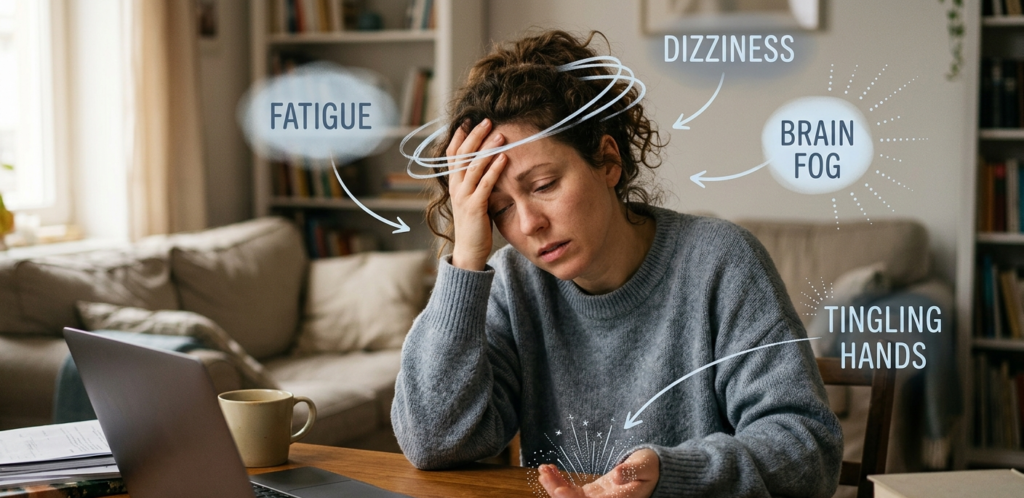
If you constantly feel tired, weak, forgetful, dizzy, or experience numbness in your hands and feet, your body may be trying to tell you something important. In this detailed guide, you will learn everything about the signs of vitamin B-12 deficiency, including early warning symptoms, severe complications, causes, diagnosis, treatment options, foods rich in vitamin B-12, and how to prevent long-term health problems.
What Is Vitamin B-12?
Vitamin B-12, also known as cobalamin, is an essential nutrient that helps your body to produce healthy red blood cells, support brain and nervous system function, create DNA, maintain energy levels, support heart health and improve nerve communication. Without enough vitamin B-12, your body cannot function properly. Over time, deficiency can lead to serious neurological and physical health issues.
Why Vitamin B-12 Is Important for the Body
Vitamin B-12 plays a major role in many critical body functions. Some of the most important include:
| Function | Why It Matters |
| Red blood cell production | Prevents anemia and fatigue |
| Nervous system support | Keeps nerves healthy |
| Brain health | Supports memory and focus |
| DNA synthesis | Essential for cell growth |
| Energy metabolism | Helps convert food into energy |
| Heart health | Helps regulate homocysteine levels |
A lack of vitamin B-12 can affect nearly every system in the body.
Most Common Signs of Vitamin B-12 Deficiency
The symptoms of vitamin B-12 deficiency can range from mild to severe. Some people experience only a few symptoms, while others develop multiple health problems over time. Below are the most common warning signs.
1. Constant Fatigue and Weakness
One of the earliest and most common symptoms of low vitamin B-12 is extreme tiredness. When your body lacks vitamin B-12, it struggles to produce enough healthy red blood cells. This reduces oxygen delivery throughout the body, leaving you feeling:
- Weak
- Exhausted
- Sluggish
- Low on energy
- Physically drained
Many people with vitamin B-12 deficiency feel tired even after sleeping well.
2. Numbness and Tingling in Hands and Feet
Vitamin B-12 is essential for nerve health. Low levels can damage nerves and interfere with nerve signaling. You may notice:
- Pins and needles sensation
- Tingling hands
- Tingling feet
- Burning sensation
- Numbness in fingers or toes
This symptom is one of the strongest warning signs of vitamin B-12 deficiency.
3. Brain Fog and Memory Problems
Low vitamin B-12 levels can affect brain function and mental clarity. Common cognitive symptoms include:
- Forgetfulness
- Difficulty concentrating
- Brain fog
- Confusion
- Slow thinking
- Trouble focusing
Some studies suggest long-term deficiency may increase the risk of cognitive decline in older adults.
4. Pale or Yellowish Skin
Vitamin B-12 deficiency can reduce red blood cell production, leading to pale skin. In some cases, the skin or eyes may develop a slight yellow tint due to the breakdown of fragile red blood cells. Signs include:
- Pale face
- Dull skin
- Yellowish skin tone
- Pale gums
5. Shortness of Breath and Dizziness
When your body lacks healthy red blood cells, oxygen circulation becomes less efficient. You may experience:
- Breathlessness
- Rapid heartbeat
- Dizziness
- Lightheadedness
- Feeling faint
These symptoms often worsen during physical activity.
6. Mood Changes and Depression
Vitamin B-12 deficiency can affect emotional health and mood regulation. Symptoms may include:
- Depression
- Anxiety
- Irritability
- Mood swings
- Low motivation
Researchers believe this may be linked to reduced production of brain chemicals involved in mood balance.
7. Glossitis and Mouth Ulcers
Glossitis refers to inflammation of the tongue, which is common in vitamin B-12 deficiency. Symptoms include:
- Red tongue
- Swollen tongue
- Smooth tongue surface
- Mouth ulcers
- Burning mouth sensation
Some people also lose their sense of taste temporarily.
8. Difficulty Walking or Balance Problems
Severe vitamin B-12 deficiency can damage the nervous system and affect coordination. You may notice:
- Poor balance
- Difficulty walking
- Muscle weakness
- Unsteady movements
- Frequent falls
This symptom is especially important in older adults.
9. Vision Problems
Vitamin B-12 deficiency can sometimes damage the optic nerve. Possible symptoms include:
- Blurred vision
- Double vision
- Eye strain
- Sensitivity to light
Although rare, untreated deficiency can lead to long-term vision issues.
10. Frequent Headaches
Many people with low vitamin B-12 levels experience recurring headaches or migraines. These headaches may occur alongside:
- Fatigue
- Brain fog
- Dizziness
- Weakness
Early Signs vs Severe Symptoms of Vitamin B-12 Deficiency
| Early Symptoms | Severe Symptoms |
| Fatigue | Nerve damage |
| Brain fog | Difficulty walking |
| Mild tingling | Memory loss |
| Headaches | Vision problems |
| Weakness | Severe anemia |
| Mood changes | Depression and confusion |
Early diagnosis is extremely important because some nerve damage can become permanent if left untreated.
What Causes Vitamin B-12 Deficiency?
There are several possible causes of vitamin B-12 deficiency.
- Poor Diet: Vitamin B-12 is mainly found in animal-based foods. People at higher risk include vegans, vegetarians and people with restrictive diets.
- Pernicious Anemia: This autoimmune condition prevents the body from absorbing vitamin B-12 properly. It is one of the leading causes of severe deficiency.
- Digestive Disorders: Certain digestive conditions can interfere with nutrient absorption, including Crohn’s disease, Celiac disease, Gastritis, IBS and Intestinal surgery.
- Aging: As people age, stomach acid production often decreases, making vitamin B-12 absorption more difficult. Older adults are at higher risk of deficiency.
- Certain Medications: Some medications may lower vitamin B-12 levels over time, including Metformin, Acid reflux medications, Proton pump inhibitors and Antacids
Who Is Most at Risk for Vitamin B-12 Deficiency?
The following groups are more likely to develop low vitamin B-12 levels:
| High Risk Group | Reason |
| Vegans and vegetarians | Limited animal foods |
| Older adults | Reduced absorption |
| People with digestive disorders | Poor nutrient absorption |
| Diabetes patients on metformin | Medication interference |
| Heavy alcohol users | Nutrient depletion |
| People with stomach surgery | Reduced absorption |
Best Foods Rich in Vitamin B-12
The best way to maintain healthy levels is through diet. Animal-based sources of vitamin B-12 is given as below:
| Food | Vitamin B-12 Content |
| Beef liver | Very high |
| Salmon | High |
| Tuna | High |
| Eggs | Moderate |
| Milk | Moderate |
| Yogurt | Moderate |
| Chicken | Moderate |
| Cheese | Moderate |
Vegan Sources of Vitamin B-12
Plant foods naturally contain very little vitamin B-12, but fortified foods can help. Examples include:
- Fortified cereals
- Nutritional yeast
- Plant-based milk
- Fortified tofu
Many vegans still require supplementation.
How Vitamin B-12 Deficiency Is Diagnosed
Doctors usually diagnose deficiency using blood tests. Common tests include:
- Serum vitamin B-12 test
- Complete blood count (CBC)
- Methylmalonic acid (MMA)
- Homocysteine levels
Additional testing may be required if nerve symptoms are present.
Treatment for Vitamin B-12 Deficiency
Treatment depends on the severity and underlying cause.
1. Vitamin B-12 Supplements: Mild deficiency is often treated with oral supplements. Popular forms include:
- Cyanocobalamin
- Methylcobalamin
2. Vitamin B-12 Injections: People with absorption problems may require injections. B-12 shots can quickly improve symptoms and restore healthy levels.
3. Dietary Changes: Improving diet is essential for long-term prevention. Doctors often recommend:
- More fish
- More dairy
- Fortified foods
- Balanced nutrition
How Long Does It Take to Recover?
Recovery time varies depending on severity.
| Symptom | Typical Recovery Time |
| Fatigue | Days to weeks |
| Brain fog | Several weeks |
| Tingling | Months |
| Severe nerve damage | May take longer |
| Anemia | 1 to 2 months |
Early treatment leads to better outcomes.
Can Vitamin B-12 Deficiency Become Dangerous?
Yes. Long-term untreated deficiency can cause serious complications. Potential complications include:
- Permanent nerve damage
- Severe anemia
- Memory loss
- Depression
- Infertility
- Walking difficulties
- Neurological disorders
This is why recognizing symptoms early is extremely important.
Vitamin B-12 Deficiency in Women
Women may experience additional symptoms related to hormonal balance and pregnancy. Possible signs include:
- Extreme fatigue during pregnancy
- Hair thinning
- Weakness
- Mood changes
- Fertility issues
Pregnant women need adequate vitamin B-12 for healthy fetal development.
Vitamin B-12 Deficiency in Men
Men with low vitamin B-12 levels may notice:
- Low energy
- Poor concentration
- Muscle weakness
- Mood changes
- Reduced stamina
Vitamin B-12 Deficiency in Older Adults
Seniors are particularly vulnerable because aging affects stomach acid production. Symptoms in older adults may include:
- Memory problems
- Confusion
- Difficulty walking
- Depression
- Weakness
Many older adults mistake these symptoms for normal aging.
Difference between Vitamin B-12 Deficiency and Iron Deficiency
People often confuse these two conditions because both can cause fatigue.
| Vitamin B-12 Deficiency | Iron Deficiency |
| Tingling and numbness | Cravings for ice |
| Neurological symptoms | Hair loss |
| Memory problems | Pale skin |
| Balance issues | Shortness of breath |
| Brain fog | Weakness |
A proper blood test is necessary for accurate diagnosis.
Tips to Prevent Vitamin B-12 Deficiency
Here are some simple prevention tips:
- Eat B-12 rich foods regularly
- Consider supplements if vegan
- Get routine blood tests
- Treat digestive disorders
- Limit excessive alcohol use
- Discuss medication side effects with your doctor
Final Thoughts
Vitamin B-12 deficiency can affect your energy, brain, nerves, mood, and overall health. The symptoms often begin slowly and may go unnoticed for months or even years. Common signs include fatigue, numbness, tingling, brain fog, weakness, dizziness, mood changes, and difficulty concentrating. If left untreated, deficiency can lead to serious neurological complications and long-term health problems. The good news is that vitamin B-12 deficiency is usually treatable with proper diagnosis, diet changes, supplements, or injections.
If you suspect low vitamin B-12 levels, speak with a healthcare professional and request appropriate testing. Early detection can prevent complications and help restore your health and energy levels naturally.
FAQs:
- Can vitamin B-12 deficiency cause anxiety?
Yes. Low vitamin B-12 levels may contribute to anxiety, mood changes, and depression.
- What is the fastest way to fix B-12 deficiency?
Vitamin B-12 injections often work fastest, especially for severe deficiency or absorption issues.
- Can low B-12 cause weight loss?
Some people experience reduced appetite and unintended weight loss.
- Is vitamin B-12 deficiency common?
Yes. It is especially common in older adults, vegans, and people with digestive disorders.
- Can vitamin B-12 deficiency cause hair loss?
It may contribute to hair thinning and weak hair growth in some individuals.
