
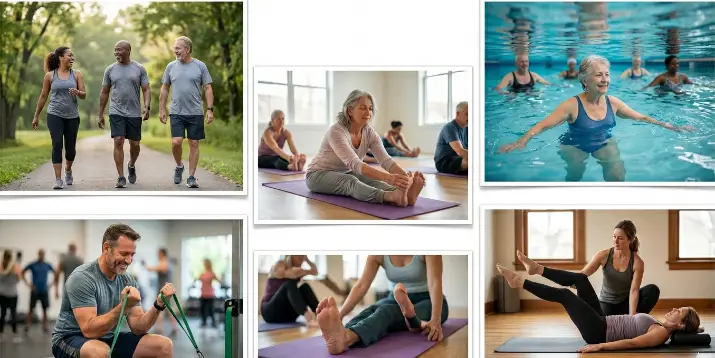
If you are over 30, you may have already noticed that your body does not recover the same way it did in your early twenties. Joints feel a little stiffer, muscles take longer to bounce back, and high intensity workouts can sometimes do more harm than good. But here is the truth: staying active after 30 is not just important, it is essential for long term health, energy, and mobility. The good news is you do not need extreme workouts to stay fit. Low impact workouts are one of the best ways to build strength, improve endurance, and protect your joints at the same time.
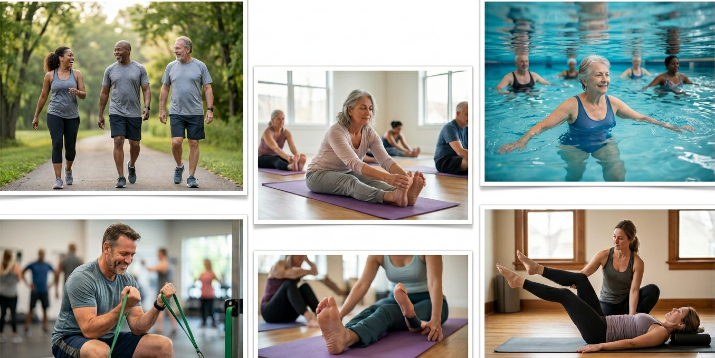
Why Low Impact Workouts Matter After 30
As we age, our bodies naturally go through changes such as reduced muscle mass, slower metabolism, decreased joint flexibility and higher risk of injury. High impact exercises like jumping, sprinting, or heavy lifting without proper form can put unnecessary stress on your joints, especially your knees, hips, and lower back. Low impact workouts, on the other hand, minimize stress on your joints while still delivering excellent fitness results.
Benefits of Low Impact Exercise
Low impact workouts offer a balanced approach to fitness that supports your body while still delivering strong results. Here is a deeper look at why they are so effective:
- Joint Friendly Movement: Low impact workouts reduce stress on your joints, making them ideal if you have knee pain, arthritis, or past injuries. This means you can stay active without increasing the risk of long term damage.
- Sustainable Fitness Routine: These workouts are easier to stick with over time, which improves long term results. Because they are less exhausting and more manageable, you are more likely to stay consistent week after week.
- Improved Heart Health: Many low impact exercises still elevate your heart rate, helping improve cardiovascular fitness. Activities like brisk walking or cycling strengthen your heart without putting too much strain on your body.
- Better Recovery: Your body recovers faster, allowing you to work out more consistently without burnout. This is especially important after 30 when recovery time naturally increases.
- Weight Management: Low impact does not mean low effectiveness. You can still burn calories and lose weight while protecting your joints, making it a smart long term strategy for maintaining a healthy body.
Best Low Impact Workouts for People Over 30
Staying active after 30 does not mean you have to push your body to extremes. Low impact workouts are gentle on your joints, safe for most fitness levels, and still highly effective. Let’s take a closer look at some of the best exercises you can start today.
1. Walking
Walking is one of the simplest and most underrated forms of exercise, yet it can offer powerful health benefits.
Why it works: Walking is easy on your joints, improves heart health, boosts energy levels, and can enhance your mood. It is a natural, low risk way to get moving without stressing your body.
How to do it: Aim for 30 to 45 minutes daily. Walk at a brisk pace. Add inclines or hills for intensity.
Pro tip: Use a fitness tracker to monitor steps and aim for at least 8000 to 10000 steps per day.
2. Swimming
Swimming is a full body workout that is completely joint friendly, making it perfect for people with joint pain or injuries.
Benefits: Zero impact on joints. Builds strength and endurance. Great for weight loss.
Best for: Beginners, people with arthritis, or anyone who wants a low stress, high reward cardio workout. Swimming laps, water aerobics, or even treading water can all be effective options.
3. Cycling
Cycling is excellent for building lower body strength and cardiovascular fitness while minimizing joint stress.
Options: Outdoor cycling for fresh air and scenic routes and stationary cycling for convenience and controlled intensity.
Benefits: Strengthens legs. Improves stamina. Low risk of injury.
Tip: Adjust the bike seat properly to protect your knees and maintain comfort during longer rides.
4. Yoga
Yoga is a versatile exercise that combines flexibility, strength, and mindfulness, making it ideal for overall health.
Popular styles: Hatha Yoga for gentle stretching. Vinyasa Yoga for flowing movements and light cardio. Restorative Yoga for relaxation and stress relief.
Benefits: Improves flexibility and balance. Reduces stress and promotes mental wellness. Enhances posture and body awareness
Pro tip: Even 20 to 30 minutes of daily yoga can significantly improve mobility and reduce muscle stiffness.
5. Pilates
Pilates focuses on controlled movements and core strength, which is vital for posture, balance, and injury prevention as we age.
Benefits: Strengthens deep core muscles. Improves posture and spinal alignment. Reduces lower back pain and enhances stability.
Tip: Begin with a mat-based Pilates routine and gradually progress to resistance bands or small equipment like a Pilates ring for added challenge.
6. Strength Training (Low Impact Style)
Maintaining muscle mass after 30 is crucial for metabolism, mobility, and bone health, but it should be done carefully to avoid injury.
Focus on: Bodyweight exercises like squats, lunges, and push-ups. Resistance bands for controlled strength work. Light dumbbells to add gradual resistance.
Examples: Squats with proper form (avoid bouncing or jumping). Glute bridges for hip and core strength. Modified push-ups to protect shoulders.
Important tip: Prioritize correct form over heavy weights. Slow, controlled movements reduce injury risk while maximizing muscle engagement.
7. Elliptical Training
Elliptical machines offer a smooth cardio workout without the high impact stress of running.
Benefits: Fluid motion protects knees, hips, and lower back. Burns calories efficiently. Allows for adjustable resistance and intensity.
Tip: Incorporate interval training by alternating between light and moderate resistance to boost cardiovascular benefits without strain.
8. Rowing Machine
Rowing is a powerful, low impact full body workout that combines strength and cardio.
Why it stands out:
- Works arms, legs, and core simultaneously
- Burns a high number of calories in a short time
- Improves endurance and cardiovascular health
Pro tip: Focus on technique: drive with your legs first, then use your back and arms to pull, finishing with a smooth recovery. Proper form reduces injury risk and maximizes results.
Effectiveness of different low impact workouts for people over 30:
| Workout Type | Calories Burned (30 min) | Joint Impact | Muscle Groups Targeted | Best For |
| Walking (Brisk) | 120–160 | Low | Legs, Core | Beginners, daily fitness, weight management |
| Swimming | 200–300 | Very Low | Full Body | Joint pain, arthritis, endurance building |
| Cycling (Stationary) | 210–310 | Low | Legs, Glutes, Core | Cardio, lower body strength, stamina |
| Yoga | 90–150 | Very Low | Core, Back, Flexibility muscles | Flexibility, stress relief, posture |
| Pilates | 100–180 | Very Low | Core, Glutes, Legs, Back | Core strength, posture improvement |
| Strength Training | 120–200 | Low | Full Body (varies by exercise) | Muscle maintenance, metabolism boost |
| Elliptical | 250–350 | Low | Legs, Core | Cardio, calorie burn, joint-friendly |
| Rowing Machine | 260–400 | Low | Arms, Legs, Core | Full body cardio, endurance, calorie burn |
Weekly Low Impact Workout Plan
Here is a simple and effective weekly plan you can follow:
Day 1: Brisk walking (40 minutes)
Day 2: Strength training (30 minutes)
Day 3: Yoga or stretching (30 minutes)
Day 4: Cycling or elliptical (40 minutes)
Day 5: Strength training (30 minutes)
Day 6: Swimming or light cardio (30 minutes)
Day 7: Rest or active recovery (walking or stretching)
This plan balances cardio, strength, and recovery.
How to Start Safely
If you are new to fitness or restarting after a break, follow these tips:
- Start Slow: Do not rush into long or intense sessions. Begin with 15 to 20 minutes.
- Warm Up Properly: Always spend 5 to 10 minutes warming up your muscles.
- Focus on Form: Incorrect form can lead to injuries even in low impact workouts.
- Stay Consistent: Consistency matters more than intensity.
- Listen to Your Body: If something feels painful, stop and adjust.
Common Mistakes to Avoid
- Skipping Strength Training: Many people focus only on cardio. Strength training is essential for maintaining muscle mass.
- Doing Too Much Too Soon: Overtraining can lead to burnout or injury.
- Ignoring Recovery: Rest days are just as important as workout days.
- Poor Nutrition: Exercise alone is not enough. Balanced nutrition is key.
Nutrition Tips for Better Results
To support your low impact workout routine:
- Eat enough protein to maintain muscle
- Stay hydrated
- Include healthy fats and complex carbs
- Avoid processed foods
Mental Health Benefits
Low impact workouts are not just about physical health. They also help with reducing stress, improving sleep, boosting mood and increasing confidence. Even a simple daily walk can significantly improve mental well-being.
How to Stay Motivated
Staying consistent can be challenging, especially with a busy schedule. Here are some practical tips:
- Set realistic goals
- Track your progress
- Find a workout buddy
- Mix different exercises to avoid boredom
- Celebrate small wins
Who Should Choose Low Impact Workouts?
Low impact workouts are not just for a specific group of people – they are ideal for a wide range of fitness levels and lifestyles. If you are over 30, your body may not recover as quickly as it did in your twenties, making joint-friendly exercises a smarter choice. These workouts help you stay active without overloading your knees, hips, or back.
Final Thoughts
Getting older does not mean slowing down. It means training smarter. Low impact workouts provide a powerful way to stay fit, strong, and healthy without putting unnecessary stress on your body. The key is consistency, proper technique, and choosing exercises that you enjoy. Whether you prefer walking, yoga, cycling, or strength training, there is a low impact routine that fits your lifestyle. Start today, stay consistent, and your future self will thank you.
FAQs:
1. What is the best low impact workout for beginners over 30?
The best option is a combination of walking, light strength training, and basic yoga. Walking is the easiest way to start, while strength training helps maintain muscle and yoga improves flexibility.
2. Can low impact workouts help with weight loss?
Yes, low impact workouts can be very effective for weight loss when combined with a healthy diet. Activities like brisk walking, cycling, and swimming burn calories and improve metabolism over time.
3. How many days a week should I do low impact workouts?
Aim for at least 4 to 6 days per week. You can mix cardio, strength training, and flexibility exercises to create a balanced routine without overtraining.
4. Are low impact workouts enough to build muscle?
Yes, if you include resistance exercises like bodyweight movements, resistance bands, or light weights. Consistency and proper form are key to building and maintaining muscle after 30.
5. Is it safe to do low impact workouts every day?
In most cases, yes. Since these workouts are gentle on the joints, they can be done daily. However, it is still important to include rest or active recovery days to allow your body to recover properly.
