
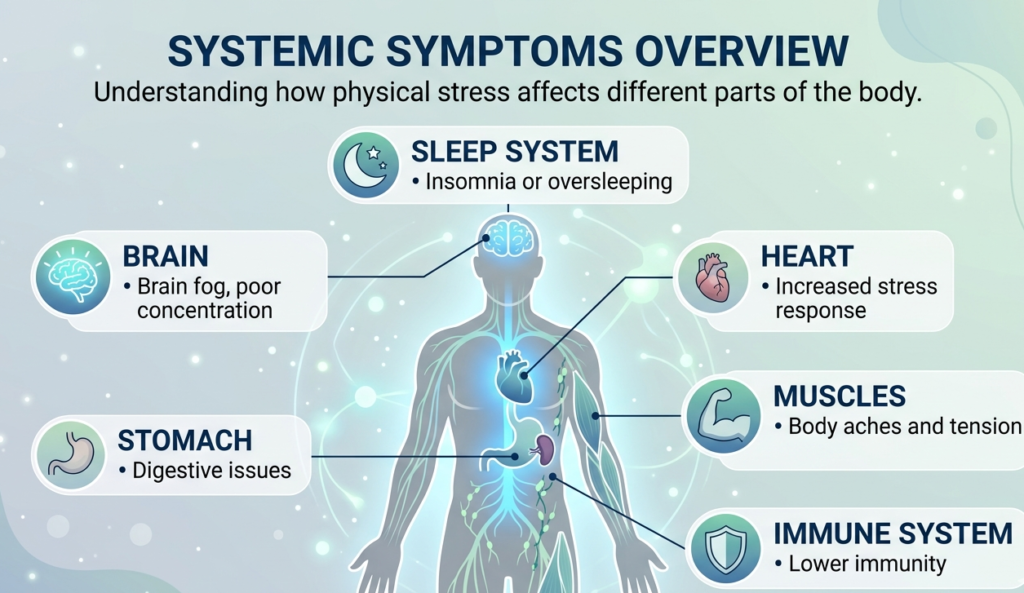
Depression is often described as a mental health condition, but its effects extend far beyond emotions and thoughts. Many people assume depression only causes sadness, hopelessness, or a lack of motivation. In reality, depression can affect nearly every system in the body, influencing your brain, heart, immune system, digestive health, sleep patterns, energy levels, and even physical pain.
Understanding how your body reacts when you are depressed can help you recognize symptoms earlier and seek the right support. Whether you are experiencing depression yourself or trying to understand a loved one’s struggles, knowing the physical and emotional impact of depression is essential. In this comprehensive guide, we’ll explore the science behind depression, the physical symptoms of depression, and what happens inside your body when depression takes hold.
What Is Depression?
Depression, also known as major depressive disorder, is a serious mental health condition that affects how a person feels, thinks, and behaves. It is more than temporary sadness or having a bad day. People with depression may experience:
- Persistent sadness
- Loss of interest in activities
- Fatigue and low energy
- Changes in sleep patterns
- Appetite changes
- Difficulty concentrating
- Feelings of worthlessness
- Physical aches and pains
Depression can range from mild to severe and can significantly impact daily life, relationships, and overall health.
Why Depression Affects the Entire Body
Your brain and body are deeply connected. When depression alters brain chemistry, it can trigger changes throughout the body. Depression is linked to disruptions in:
- Neurotransmitters such as serotonin, dopamine, and norepinephrine
- Stress hormones like cortisol
- Immune system function
- Nervous system regulation
- Sleep and circadian rhythms
As a result, depression becomes both a mental and physical condition.
How Depression Affects Your Brain
Depression affects your brain in following ways:
Changes in Brain Chemistry
One of the most significant effects of depression occurs in the brain. Neurotransmitters help brain cells communicate. During depression, the balance of important chemicals can become disrupted. These include:
| Brain Chemical | Function | Impact During Depression |
| Serotonin | Mood regulation | Lower levels may contribute to sadness |
| Dopamine | Motivation and pleasure | Reduced activity may cause loss of interest |
| Norepinephrine | Alertness and energy | Changes can contribute to fatigue and poor focus |
When these chemical messengers become imbalanced, a person may struggle to experience happiness, motivation, or emotional stability.
Difficulty Thinking Clearly
Depression often causes:
- Brain fog
- Memory problems
- Slow thinking
- Poor decision-making
- Reduced concentration
Many individuals report feeling mentally exhausted even when they have not engaged in demanding activities.
Increased Negative Thinking
The brain tends to focus more on negative experiences during depression. This can create a cycle where negative thoughts reinforce depressive symptoms, making recovery more difficult.
What Happens to Your Stress Hormones
Depression is frequently associated with chronic stress and elevated cortisol levels. When you are stressed, your body releases cortisol, often called the stress hormone. In healthy situations, cortisol rises and falls as needed. However, prolonged depression may keep cortisol levels elevated.
High cortisol levels can contribute to weight gain, sleep disturbances, high blood pressure, weakened immune function and increased inflammation. This ongoing stress response can leave the body feeling constantly overwhelmed.
How Depression Affects Your Energy Levels
One of the most common physical symptoms of depression is constant fatigue. People often describe depression-related fatigue as feeling exhausted after waking up, having little physical energy, struggling to complete simple tasks and feeling mentally drained throughout the day. Unlike ordinary tiredness, depression fatigue may not improve significantly with rest.
Reduced Physical Activity
Depression often lowers motivation, making exercise and movement feel difficult. This reduction in activity can lead to muscle weakness, lower stamina, weight changes and increased feelings of sluggishness. Unfortunately, inactivity can worsen depressive symptoms, creating a challenging cycle.
The Impact of Depression on Sleep
Many people with depression struggle to fall asleep or stay asleep which is called Insomnia. Common sleep problems include difficulty falling asleep, frequent nighttime awakenings, waking up too early and restless sleep. Poor sleep can intensify emotional distress and worsen depression symptoms.
Oversleeping
Some individuals experience the opposite problem. Instead of insomnia, they may sleep excessively, feel tired despite long sleep durations and have difficulty getting out of bed. This symptom is especially common in certain forms of depression.
How Depression Affects Your Heart
Depression can affect your heart into following ways:
- Increased risk of heart disease: Research continues to show a strong connection between depression and cardiovascular health. Depression may contribute to elevated blood pressure, increased inflammation, higher heart disease riskandpoor circulation.People living with chronic depression often face a greater risk of developing heart-related conditions over time.
- Faster Heart Rate
- Depression and anxiety frequently occur together. As stress hormones increase, individuals may experience racing heartbeat, heart palpitations, chest discomfort and I\increased nervous system activation. These symptoms can sometimes be mistaken for purely physical illnesses.
Depression and the Immune System
Depression and the Immune System are related in certain ways:
Weakened Immune Function: Depression can weaken the body’s natural defenses. People experiencing depression may notice frequent colds, slower recovery from illness and increased susceptibility to infections. The immune system becomes less effective when chronic stress and inflammation remain active.
Increased Inflammation: Scientists have found links between depression and higher levels of inflammation throughout the body. Chronic inflammation may contribute to fatigue, joint pain, cardiovascular problems and chronic health conditions. This growing area of research highlights the strong connection between mental and physical health.
Digestive Problems Caused by Depression
Digestive problems caused by depression are given as below:
The Gut-Brain Connection: The digestive system and brain communicate continuously through what experts call the gut-brain axis. When depression develops, digestive symptoms may appear, including stomach pain, nausea, bloating, constipation and diarrhea. Many people are surprised to learn that emotional distress can directly affect digestion.
Appetite Changes
Depression often alters eating habits. Some individuals experience loss of appetite, unintentional weight loss and reduced interest in food. Others may experience increased cravings, emotional eating and weight gain. Both responses are common and can significantly affect overall health.
Why Depression Causes Physical Pain
Depression causes physical pain in the following ways:
- Muscle Tension: Depression often increases physical tension in the body. Common complaints include neck pain, shoulder pain, back pain and jaw tension. The body remains in a prolonged state of stress, causing muscles to tighten.
- Headaches: Many individuals with depression experience frequent headaches. These may include tension headaches, migraine flare-ups and persistent pressure around the head. Stress hormone fluctuations and muscle tension can contribute to these symptoms.
- General Body Aches: Some people with depression report widespread pain without an obvious physical cause. Symptoms may include joint discomfort, muscle soreness and chronic pain. This demonstrates how depression affects pain perception within the nervous system.
How Depression Affects Your Hormones
Depression can influence hormone regulation throughout the body. Possible effects include:
In Women
- Menstrual irregularities
- Increased premenstrual symptoms
- Hormonal fluctuations
In Men
- Reduced testosterone levels
- Lower sex drive
- Fatigue
Hormonal changes may worsen emotional symptoms and further impact quality of life.
Depression and Sexual Health
Depression and sexual health are related as those terms:
- Reduced Libido: One common but often overlooked symptom of depression is a decrease in sexual desire. People may experience reduced interest in intimacy, difficulty becoming aroused and lower satisfaction in relationships. This occurs because depression affects both emotional well-being and hormone regulation.
- Relationship Challenges: Depression can also impact communication, emotional connection, and relationship satisfaction, making intimacy more difficult.
How Depression Changes Your Behavior
Depression changes your behavior in the following terms:
- Social Withdrawal: People with depression often isolate themselves. They may avoid social gatherings, stop responding to messages and spend more time alone. Although isolation may feel comforting temporarily, it can increase feelings of loneliness.
- Loss of Interest: Activities that once felt enjoyable may no longer seem rewarding. This symptom, known as anhedonia, is one of the hallmark signs of depression. Individuals may lose interest in hobbies, exercise, work, family activities and social events.
Long-Term Effects of Untreated Depression
If left untreated, depression can affect overall health for years. Potential long-term consequences include:
- Chronic fatigue
- Heart disease
- Weakened immunity
- Obesity
- Diabetes risk
- Substance misuse
- Relationship difficulties
- Reduced quality of life
Early treatment can significantly reduce these risks and improve long-term outcomes.
Signs That Depression May Be Affecting Your Body
You may be experiencing physical symptoms of depression if you notice:
- Persistent fatigue
- Unexplained body aches
- Sleep disturbances
- Appetite changes
- Digestive problems
- Frequent headaches
- Difficulty concentrating
- Low motivation
- Increased illness frequency
If these symptoms continue for several weeks and interfere with daily life, professional support may be beneficial.
How to Support Your Body during Depression
While professional treatment is often necessary, several lifestyle strategies may help support recovery.
Prioritize Sleep
Healthy sleep habits can improve mood and energy levels. Tips include:
- Maintain a consistent bedtime
- Limit screen time before sleep
- Create a relaxing sleep environment
Stay Physically Active
Regular movement can support mental health by increasing mood-regulating chemicals in the brain. Examples include:
- Walking
- Cycling
- Yoga
- Swimming
- Strength training
Eat a Balanced Diet
Nutrient-rich foods may support both brain and physical health. Focus on:
- Fruits
- Vegetables
- Lean proteins
- Whole grains
- Healthy fats
Stay Connected
Social support can play a powerful role in managing depression. Try to maintain contact with:
- Family members
- Friends
- Support groups
- Mental health professionals
Seek Professional Help
Treatment options may include:
- Therapy
- Counseling
- Medication
- Lifestyle interventions
- Combined treatment approaches
A healthcare professional can help determine the most appropriate plan.
Final Thoughts
Depression is far more than an emotional struggle. It affects the brain, heart, digestive system, immune function, hormones, sleep patterns, energy levels, and physical health. Understanding how your body reacts when you are depressed can help you recognize symptoms sooner and take meaningful steps toward recovery.
The connection between mental health and physical health is powerful. When depression develops, the entire body feels the impact. The good news is that depression is treatable, and with the right support, lifestyle changes, and professional care, both your mind and body can begin to heal.
FAQs:
- Can depression cause physical symptoms?
Yes. Depression commonly causes fatigue, headaches, digestive issues, muscle pain, sleep disturbances, and changes in appetite.
- Why does my whole body hurt when I am depressed?
Depression affects stress hormones, inflammation levels, muscle tension, and pain perception, which can contribute to widespread physical discomfort.
- Can depression make you feel sick?
Yes. Depression may lead to nausea, digestive issues, fatigue, dizziness, headaches, and a weakened immune response.
- Does depression affect the immune system?
Research suggests that depression can weaken immune function and increase inflammation, making the body more vulnerable to illness.
- Can depression cause chronic fatigue?
Absolutely. Persistent fatigue is one of the most common symptoms of depression and may continue even after adequate sleep.
