
As women move into their 50s and beyond, health priorities often change. One medical procedure that becomes more common during this stage of life is uterus removal surgery, also known as a hysterectomy. If you or someone you love is considering uterus removal surgery after 50, this guide explains everything. From the reasons doctors recommend hysterectomy to recovery tips, hormonal changes, long-term health effects, and alternatives, this detailed article covers it all.
What Is Uterus Removal Surgery?
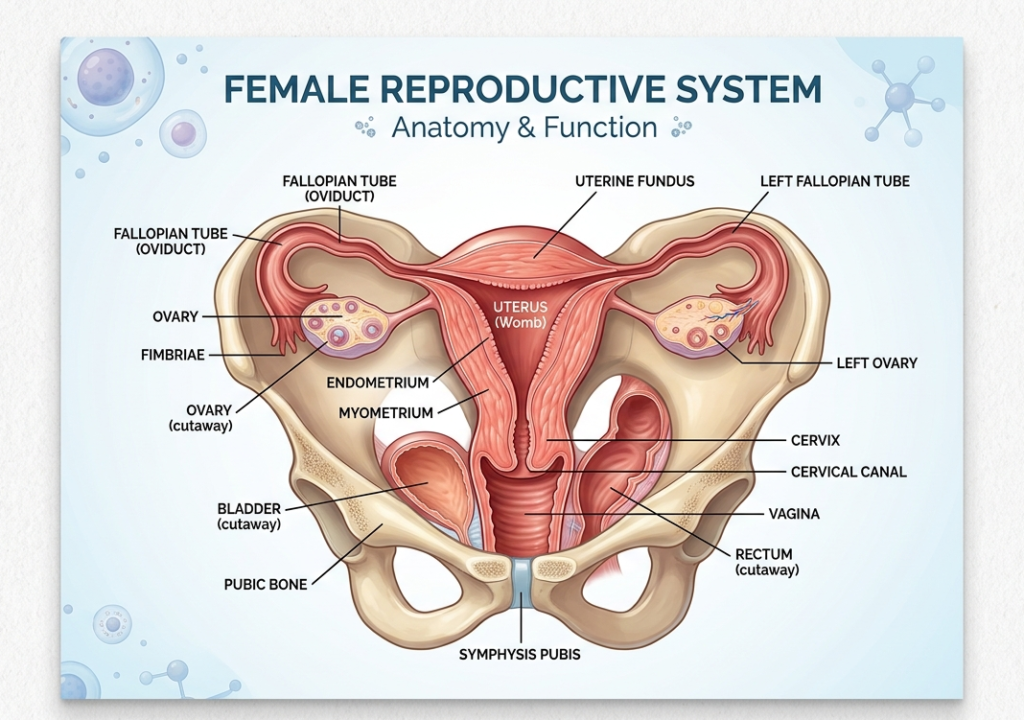
Uterus removal surgery is medically called a hysterectomy. It is a surgical procedure in which a woman’s uterus is removed. After this surgery:
- Pregnancy is no longer possible
- Menstrual periods stop permanently
- Certain gynecological conditions may improve or disappear
Depending on the condition, doctors may also remove Cervix, Ovaries and Fallopian tubes.
Types of Hysterectomy
Types of Hysterectomy are given as below:
| Type | What Is Removed |
| Partial hysterectomy | Uterus only |
| Total hysterectomy | Uterus and cervix |
| Radical hysterectomy | Uterus, cervix, surrounding tissues |
| Hysterectomy with oophorectomy | Uterus plus ovaries |
Women over 50 often undergo total hysterectomy because many conditions at this age involve the cervix or ovaries as well.
Need of Uterus Removal Surgery for Women Over 50
Many women wonder: “Is hysterectomy common after menopause?” The answer is yes. In fact, hysterectomy after age 50 is relatively common because several health conditions become more likely with age.
Common Reasons for Hysterectomy After 50
Some common reasons for Hysterectomy after 50 are given as below:
1. Uterine Fibroids
Fibroids are non-cancerous growths in the uterus. They can cause Heavy bleeding, Pelvic pressure, Pain, Frequent urination and Bloating. Even after menopause, some fibroids continue causing symptoms.
2. Uterine Prolapse
After menopause, pelvic muscles weaken. This may cause the uterus to slip downward into the vaginal canal.
Symptoms include: Feeling heaviness in the pelvis, Difficulty urinating, Back pain and Vaginal pressure
3. Endometrial Cancer
Cancer risk increases with age. Doctors may recommend hysterectomy to treat:
- Uterine cancer
- Cervical cancer
- Ovarian cancer
4. Abnormal Bleeding After Menopause
Bleeding after menopause should never be ignored. It may signal:
- Polyps
- Thickened uterine lining
- Precancerous changes
- Cancer
5. Chronic Pelvic Pain
Some women experience severe pelvic pain due to:
- Endometriosis
- Adenomyosis
- Scar tissue
- Other gynecological conditions
6. Ovarian Masses or Cysts
In women over 50, ovarian cysts require careful monitoring because cancer risk rises with age.
Signs You May Need a Hysterectomy After 50
Doctors may suggest surgery if you experience:
- Heavy or unusual bleeding
- Pelvic pain
- Pressure in the lower abdomen
- Pain during intercourse
- Frequent urination
- Uterine prolapse
- Cancer diagnosis
- Enlarged fibroids
Always seek medical evaluation for postmenopausal bleeding.
Is Hysterectomy Safe After Age 50?
One of the biggest concerns women have is safety. The good news is that hysterectomy is generally considered safe for healthy women over 50, especially when performed by experienced surgeons. However, age can slightly increase the risk of blood clots, Infection, slower healing, heart complications and anesthesia risks. Your doctor will assess heart health, blood pressure, diabetes, weight and overall fitness before surgery.
Different Surgical Methods Used After 50
Different surgical methods used after 50 are given as below:
1. Abdominal Hysterectomy
The uterus is removed through a cut in the abdomen.
Pros: Useful for large fibroids or cancer and gives surgeons’ better visibility
Cons: Longer recovery, larger scar and more pain
2. Vaginal Hysterectomy
The uterus is removed through the vagina.
Pros: No external scar, faster recoveryandless pain
Cons: Not suitable for every condition
3. Laparoscopic Hysterectomy
Small cuts and a camera are used.
Pros: Minimally invasive, faster healing and less bleeding
Cons: Requires specialized surgeon
4. Robotic Hysterectomy
A robotic system assists the surgeon.
Pros: High precision, smaller incisions and shorter hospital stay
Cons: Higher cost and not available everywhere
Recovery after Uterus Removal Surgery After 50
Recovery after uterus removal surgery after 50 depends on:
- Type of surgery
- Overall health
- Whether ovaries were removed
- Presence of complications
Average Recovery Time
Average recovery time is given as below:
| Surgery Type | Recovery Time |
| Abdominal hysterectomy | 6 to 8 weeks |
| Vaginal hysterectomy | 3 to 4 weeks |
| Laparoscopic hysterectomy | 2 to 4 weeks |
| Robotic hysterectomy | 2 to 4 weeks |
What to Expect During Recovery
You can expect the following:
- First Few Days: Women may experience fatigue, mild bleeding, pain, gas or bloating and constipation. Walking slowly helps improve circulation and healing.
- Emotional Changes: Some women feel emotional after surgery due to hormonal shifts, loss of fertility, and stress about aging and surgical recovery. Mood swings are common, especially if ovaries are removed.
- Physical Restrictions: Doctors usually advise avoiding heavy lifting, sexual intercourse, intense exercise, swimming and driving for several weeks
Hormonal Changes after Hysterectomy
Many women ask “Will hysterectomy cause menopause after 50?” The answer depends on whether the ovaries are removed.
If Ovaries Are Kept: Hormone production may continue, though reduced with age. You may not enter sudden menopause.
If Ovaries Are Removed: This causes surgical menopause. Symptoms can include:
- Hot flashes
- Night sweats
- Mood changes
- Vaginal dryness
- Sleep problems
- Low libido
Women over 50 may already be near menopause, but symptoms can still become more intense after surgery.
Long-Term Effects of Hysterectomy After 50
Understanding long-term health effects is extremely important.
1. Bone Health
Lower estrogen levels can increase osteoporosis risk.
Prevention Tips: Calcium-rich foods, Vitamin D, Weight-bearing exercise and Bone density testing
2. Heart Health
Some studies suggest that ovary removal before natural menopause may increase heart disease risk. Women should focus on healthy diet, regular exercise, blood pressure control and cholesterol monitoring.
3. Sexual Health
Many women worry about intimacy after hysterectomy. The truth is some women experience improved sex life because pain and bleeding disappear. Others may notice vaginal dryness, lower libido and emotional concerns. Lubricants, hormone therapy, and open communication can help.
4. Bladder and Pelvic Floor Changes
Some women develop Urinary leakage and Pelvic weakness. Pelvic floor exercises can help improve bladder control.
Can You Live a Normal Life After Hysterectomy?
Yes, absolutely. Most women return to normal activities and enjoy improved quality of life after recovery. Many report relief from pain, heavy bleeding, pressure symptoms and cancer anxiety. The key is proper medical care and healthy lifestyle habits.
Diet Tips after Hysterectomy Over 50
Nutrition plays a major role in healing. Best foods for recovery are given as below:
- Protein-Rich Foods: Eggs, Fish, Chicken, Lentils and Yogurt
- Fiber-Rich Foods: Fruits, Vegetables, Oats and Whole grains
- Anti-Inflammatory Foods: Berries, Nuts, Olive oil and Green leafy vegetables
Foods to Avoid After Surgery
Limit processed foods excess sugar, alcohol, fried foods and too much caffeine. These can worsen inflammation and slow healing.
Exercise after Uterus Removal Surgery
Exercise helps improve circulation, mood, weight management and bone health
Recommended Activities: After doctor approval walking, yoga, light stretching, swimming and strength training. Avoid heavy workouts during early recovery.
Risks and Complications of Hysterectomy After 50
Although usually safe, complications can occur.
Possible Risks: Infection, Blood clots, Bleeding, Damage to nearby organs, Anesthesia complications and Scar tissue formation
Seek immediate medical help if you notice: Fever, severe pain, heavy bleeding, shortness of breath and swelling in legs
Questions to Ask Your Doctor before Surgery
Before agreeing to hysterectomy, ask:
- Why do I need this surgery?
- Are there non-surgical treatments?
- Will my ovaries be removed?
- What type of hysterectomy is best?
- What are the risks at my age?
- How long is recovery?
- Will hormone therapy be needed?
- How will this affect my sex life?
Alternatives to Hysterectomy After 50
Not every condition requires surgery. Possible alternatives are given as below:
| Condition | Alternative Treatments |
| Fibroids | Medication, embolization |
| Heavy bleeding | Hormonal therapy |
| Mild prolapse | Pelvic floor therapy |
| Endometriosis | Pain management |
| Polyps | Minor surgical removal |
Doctors consider: Severity of symptoms, cancer risk, overall health and quality of life before recommending surgery.
Mental Health and Emotional Wellbeing
Women often focus on physical recovery but emotional healing matters too. Some women experience anxiety, sadness, and fear of aging and body image concerns. Support from family, counseling, or support groups can make recovery easier.
Cost of Hysterectomy After 50
Costs vary depending on:
- Country
- Hospital
- Surgical method
- Insurance coverage
Robotic surgeries are usually more expensive than traditional surgery. Always ask for total hospital estimate, medication costs, follow-up expenses and insurance details.
Best Lifestyle Tips after Hysterectomy Over 50
Best lifestyle tips after Hysterectomy over 50 are given as below:
- Stay Active: Daily movement supports healing and heart health.
- Maintain Healthy Weight: Excess weight increases pressure on pelvic organs.
- Prioritize Sleep: Good sleep improves hormone balance and recovery.
- Keep Follow-Up Appointments: Regular checkups help detect complications early.
- Manage Stress: Meditation, walking, and hobbies can improve emotional wellbeing.
When to Call a Doctor after Surgery
Contact your doctor immediately if you experience fever, heavy bleeding, severe abdominal pain, difficulty breathing, chest pain, redness around incision and foul-smelling discharge. Quick treatment can prevent serious complications.
Final Thoughts
Uterus removal surgery after 50 can feel overwhelming, but for many women it becomes a life-changing step toward better health and comfort. Whether the surgery is needed for fibroids, prolapse, abnormal bleeding, or cancer treatment, understanding the procedure helps reduce fear and improve recovery.
The most important thing is making an informed decision with your healthcare provider. Ask questions, explore alternatives, and understand both the benefits and risks. With proper care, healthy habits, and emotional support, women can continue living active, healthy, and fulfilling lives after hysterectomy.
FAQs:
- Is hysterectomy painful?
Pain is manageable with medication and improves over time.
- Can hysterectomy cause weight gain?
The surgery itself does not directly cause weight gain, but hormonal changes and lower activity levels may contribute.
- How long should I rest after hysterectomy?
Most women need several weeks of reduced activity, depending on surgery type.
- Can I climb stairs after hysterectomy?
Usually yes, slowly and carefully after surgery.
- Is hysterectomy major surgery?
Yes, it is considered major surgery, even minimally invasive procedures.
- Will I still need Pap smears?
Some women still need cervical screening if the cervix remains or if there is cancer history.
