
Self-respect is one of the most important foundations of a happy and successful life. When you respect yourself, you make better choices, build healthier relationships, protect your mental health, and feel more confident in everyday situations. Yet many people struggle with low self-worth, people pleasing habits, self-doubt, and negative thinking.
The good news is that self-respect is not something you are born with. It is something you build through daily habits, boundaries, mindset changes, and personal discipline. In this detailed guide, you will learn how to respect yourself, why self-respect matters, simple rules to follow, and practical ways to improve your confidence and self-worth in real life.
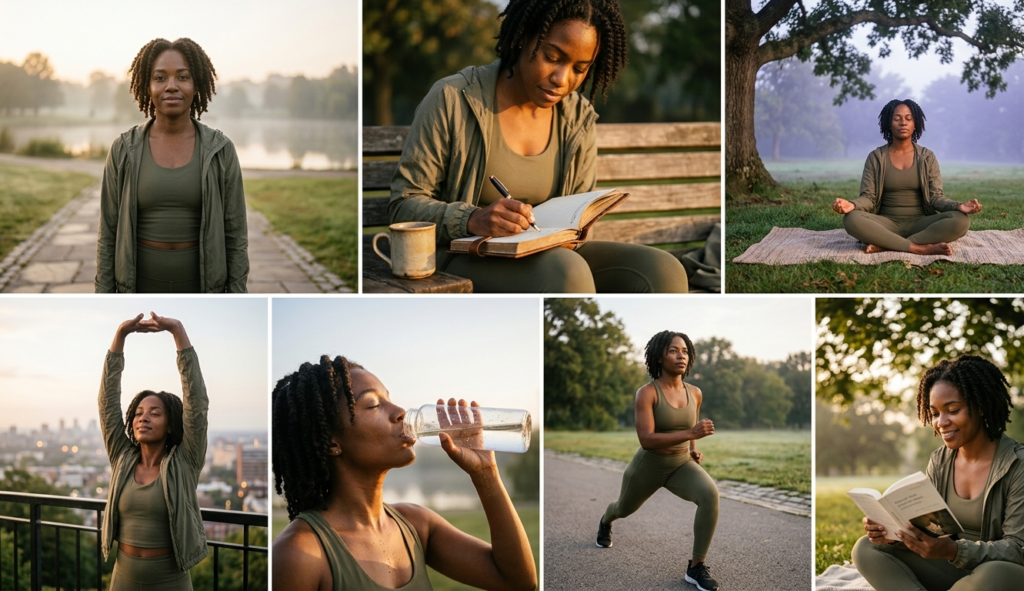
What Does Self Respect Mean?
Self-respect means valuing yourself enough to treat yourself with care, honesty, dignity, and kindness. It means understanding your worth and refusing to accept behavior that damages your mental, emotional, or physical wellbeing.
A person with self-respect sets healthy boundaries, speaks honestly, takes responsibility for mistakes, avoids toxic relationships, keeps promises to themselves, values their time and energy and does not depend on constant validation. Self-respect is not arrogance or selfishness. It is simply recognizing that you matter too.
Why Self Respect Is Important
Without self-respect, people often tolerate disrespect, stay in unhealthy relationships, struggle with anxiety and insecurity, constantly seek approval, ignore their own needs and feel emotionally drained. When you build self-respect, your life changes in powerful ways.
Benefits of Self Respect
| Benefit | How It Helps |
| Better confidence | You trust your decisions |
| Healthier relationships | People treat you better |
| Less stress | You stop overthinking approval |
| Stronger mental health | You feel emotionally balanced |
| More success | You become disciplined and focused |
| Better communication | You express yourself honestly |
Respecting yourself improves almost every area of life.
Simple Rules to Follow to Respect Yourself
Simple rules to follow to respect yourself are given as below:
1. Stop Seeking Constant Approval
One of the biggest signs of low self-respect is needing everyone to like you. You do not need universal approval to have value. Some people will misunderstand you, dislike you, or disagree with you. That is normal. Constantly trying to please everyone leads to emotional exhaustion and loss of identity.
How to stop people pleasing
- Say no without guilt
- Stop apologizing for everything
- Avoid changing your personality to fit in
- Make decisions based on your values
- Accept that not everyone will approve of you
The more you chase validation, the less confident you feel.
2. Keep Promises to Yourself
If you constantly break promises to yourself, your self-trust disappears. For example:
- Saying you will wake up early but never doing it
- Planning goals but quitting quickly
- Avoiding responsibilities
- Ignoring healthy habits
Every small promise matters.
Build self-respect through discipline
Start small like drink more water daily, exercise three times a week, read 10 pages a day, sleep on time and complete tasks before procrastinating. When your actions match your words, self-respect grows naturally.
3. Set Healthy Boundaries
Boundaries are essential for self-respect. People who lack boundaries often feel used, ignored, or emotionally drained. Healthy boundaries protect your time, energy, emotions and peace of mind.
Examples of healthy boundaries
- Refusing disrespectful behavior
- Limiting toxic communication
- Protecting personal time
- Saying no to unreasonable requests
- Avoiding emotionally manipulative people
Remember this if you do not respect your boundaries, others will not either.
4. Stop Negative Self Talk
Your inner voice matters. If you constantly think “I am not good enough”, “I always fail”, “Nobody cares about me”, “I look terrible” your confidence slowly weakens. Replace negative thinking with realistic thinking.
Instead of “I always mess up” try to say “I made a mistake, but I can improve.” Instead of “I am useless” say “I am learning and growing.” Positive self-talk does not mean pretending life is perfect. It means speaking to yourself with fairness and kindness.
5. Take Care of Your Physical Health
Physical health and self-respect are deeply connected. When you neglect your body, your energy, confidence, and mental clarity suffer. Simple self-care habits are given as below:
- Exercise regularly
- Eat healthier foods
- Drink enough water
- Improve sleep quality
- Maintain personal hygiene
- Spend time outdoors
These habits improve not only physical health but also emotional wellbeing and self-confidence.
6. Walk Away From Toxic Relationships
You cannot build self-respect while staying in environments that constantly hurt you. Toxic relationships often involve manipulation, constant criticism, disrespect, dishonesty, emotional abuse and controlling behavior. A person who respects themselves understands when it is time to leave unhealthy situations.
Important truth: Losing toxic people is not losing. It is protecting your peace.
7. Learn to Be Comfortable Alone
Many people fear loneliness because they connect their worth to attention from others. But learning to enjoy your own company is a major sign of self-respect. Things to do alone are given as below:
- Read books
- Go for walks
- Visit cafes
- Learn new skills
- Journal your thoughts
- Meditate
- Work on personal goals
When you enjoy your own presence, you stop depending on others for happiness.
8. Stop Comparing Yourself to Others
Social media comparison destroys self-respect. You see people posting luxury lifestyles, perfect relationships, fitness transformations, expensive vacations and career success, but online content rarely shows reality. Focus on your own growth. Instead of asking: “Why am I behind?” Ask “How can I improve my own life?” Comparison creates insecurity. Progress creates confidence.
9. Accept Responsibility for Your Life
Self-respecting people avoid victim mentality. That does not mean life is always fair. Everyone faces struggles, disappointments, and setbacks. But taking responsibility gives you power. Responsibility looks like this admitting mistakes, learning from failure, improving weak habits, managing emotions maturely and solving problems instead of blaming everyone. Personal growth starts when excuses stop.
10. Develop Skills and Knowledge
Confidence grows when you improve yourself. Learning new skills builds independence, self-trust, and mental strength.
Skills that improve self confidence
- Communication skills
- Public speaking
- Financial management
- Fitness knowledge
- Emotional intelligence
- Problem solving
- Leadership skills
The more capable you become, the more self-respect you develop.
11. Protect Your Mental Health
Mental health is not something to ignore. Stress, anxiety, burnout, and emotional exhaustion can destroy self-esteem over time.
Ways to improve mental health
- Reduce social media overload
- Avoid toxic environments
- Get enough sleep
- Talk to supportive people
- Practice mindfulness
- Seek therapy if needed
- Spend time in nature
Protecting your peace is a form of self-respect.
12. Speak Up for Yourself
Many people stay silent because they fear conflict or rejection. But constantly suppressing your feelings damages self-worth. Learn assertive communication. Assertiveness means expressing thoughts honestly, staying calm during disagreements, respecting others without disrespecting yourself and communicating clearly. You can be kind and still stand up for yourself.
13. Forgive Yourself for Past Mistakes
Everyone has regrets. Maybe you made bad decisions, trusted the wrong people, failed at something important, or wasted time. Holding onto shame forever damages self-respect.
Self-forgiveness helps you move forward: Learn from mistakes, but do not build your identity around them. Your past should teach you, not define you.
14. Create Personal Standards
People who respect themselves live by standards. Standards guide your decisions and protect your future. Examples of strong personal standards are as given as below:
- Honesty matters
- Disrespect is unacceptable
- Health is a priority
- Hard work matters
- Relationships must be healthy
- Peace is important
- Growth never stops
Standards help you avoid situations that damage your wellbeing.
15. Spend Time with Positive People
The people around you influence your mindset. Supportive people encourage growth, confidence, and emotional stability. Negative people often spread drama, insecurity, jealousy, criticism and negativity. Choose relationships that improve your life, not drain it.
Daily Habits That Build Self Respect
Here are simple daily habits that strengthen self-respect over time.
| Daily Habit | Why It Matters |
| Wake up on time | Builds discipline |
| Exercise | Improves confidence |
| Read books | Expands knowledge |
| Journal thoughts | Improves self-awareness |
| Practice gratitude | Reduces negativity |
| Limit social media | Protects mental health |
| Eat healthy meals | Improves energy |
| Set goals | Creates direction |
Small habits repeated consistently create powerful long term change.
Signs You Are Learning to Respect Yourself
You know your self-respect is improving when:
- You stop chasing validation
- You say no more confidently
- You protect your peace
- You leave toxic situations faster
- You stop over explaining yourself
- You become emotionally stronger
- You trust your decisions
- You prioritize personal growth
Growth may feel slow at first, but every healthy choice matters.
Common Mistakes That Destroy Self Respect
Avoid these behaviors if you want higher self-esteem and confidence.
- Ignoring Red Flags: Do not ignore disrespect just because you fear losing someone.
- Constant Self Criticism: Being harsh on yourself all the time damages mental health.
- Living without Goals: A lack of direction often creates insecurity and low confidence.
- Seeking Attention Online: Depending on likes and validation weakens internal confidence.
- Staying Around Toxic People: Your environment strongly affects self-worth.
How Self Respect Improves Relationships
Healthy relationships require healthy self-esteem. When you respect yourself you communicate better, you avoid unhealthy attachment, you stop tolerating manipulation, you attract emotionally mature people, you become less needy and you create balanced relationships. People often treat you based on the standards you set for yourself.
Self-Respect vs Self Esteem
People often confuse these terms.
| Self-Respect | Self Esteem |
| Based on values and boundaries | Based on confidence and feelings |
| Comes from discipline | Comes from self-perception |
| Protects dignity | Affects confidence |
| Focuses on standards | Focuses on belief in abilities |
Both are important and work together.
Final Thoughts
Learning how to respect yourself can completely change your life. Self-respect is built through discipline, healthy boundaries, self awareness, emotional maturity, positive habits and personal growth. You do not become confident overnight. It happens gradually through small daily decisions. The relationship you have with yourself shapes every other part of your life.When you truly respect yourself, you stop begging for the bare minimum, stop tolerating unhealthy behavior, and start building a life that reflects your worth.And that is where real confidence begins.
FAQs:
1. Why is self-respect important in life?
Self-respect helps you build confidence, set healthy boundaries, improve mental health, and create better relationships. When you respect yourself, you make healthier decisions and stop accepting disrespect from others.
2. What are signs of low self-respect?
Common signs include people pleasing, constantly seeking approval, tolerating toxic behavior, negative self-talk, lack of boundaries, and feeling unworthy or insecure most of the time.
3. How can I improve my self-respect daily?
You can improve self-respect by keeping promises to yourself, saying no when needed, practicing self-care, avoiding toxic people, improving your habits, and focusing on personal growth every day.
4. Can self-respect improve relationships?
Yes. Self-respect leads to healthier and more balanced relationships because you communicate better, set clear boundaries, and avoid unhealthy or emotionally damaging situations.
