
Fatty liver disease is becoming one of the fastest growing health problems across Asia. From Pakistan and India to China, Japan, South Korea, and Southeast Asian countries, doctors are seeing a sharp rise in people diagnosed with fatty liver at younger ages than ever before. What was once considered a condition linked mostly to alcohol is now increasingly connected to modern lifestyle habits, unhealthy diets, obesity, diabetes, stress, and lack of exercise.
Many people do not even realize they have fatty liver because the condition often develops silently. By the time symptoms appear, the liver may already be inflamed or damaged. This is why awareness about fatty liver symptoms, causes, treatment, and prevention is becoming more important in Asia. In this detailed guide, you will learn why fatty liver is rising in Asia, the early warning signs, risk factors, best foods for liver health, and practical ways to reverse fatty liver naturally.
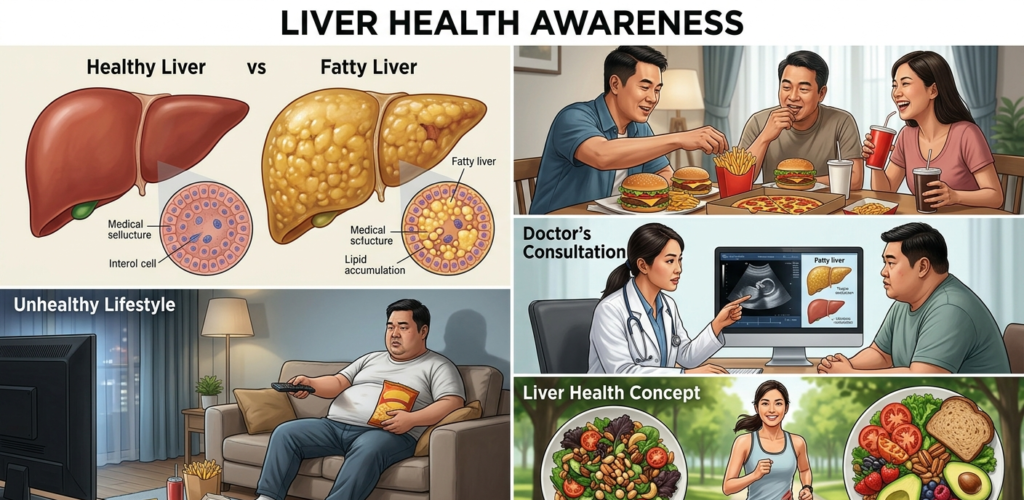
What Is Fatty Liver Disease?
Fatty liver disease happens when excess fat builds up inside liver cells. A small amount of fat in the liver is normal, but too much fat can cause inflammation, liver damage, and long term complications. There are two main types:
1. Non Alcoholic Fatty Liver Disease (NAFLD)
This type is not caused by alcohol. It is linked to obesity, diabetes, high cholesterol, insulin resistance, poor diet, and sedentary lifestyles.
2. Alcohol Related Fatty Liver Disease
This occurs due to excessive alcohol consumption, which damages liver cells over time.
Today, non-alcoholic fatty liver disease is growing much faster across Asia.
Why Fatty Liver Is Increasing in Asia
Several lifestyle and environmental changes are driving the rise of fatty liver disease in Asian populations.
Rapid Urbanization and Modern Lifestyle
Asia has experienced major economic growth and urban development over the last few decades. While this has improved living standards, it has also changed eating habits and physical activity levels.
People now spend more time sitting in offices, using phones, watching screens, and driving instead of walking. Physical inactivity slows metabolism and increases fat storage in the body and liver.
Increase in Fast Food Consumption
Traditional Asian diets once included vegetables, lentils, fish, rice, and homemade meals. Today, processed foods, sugary drinks, fried foods, burgers, instant noodles, and packaged snacks have become more common. High sugar and high fat diets increase liver fat accumulation and insulin resistance.
Rising Obesity Rates in Asia
Obesity rates are climbing rapidly across Asian countries, including among children and teenagers. Belly fat is strongly linked to fatty liver disease because abdominal fat increases inflammation and insulin resistance. Even people who appear slim can develop fatty liver. This is especially common in Asians due to higher visceral fat levels.
Type 2 Diabetes and Insulin Resistance
Asia is seeing a massive increase in type 2 diabetes cases. Insulin resistance causes excess sugar to convert into fat in the liver. Doctors now consider fatty liver and diabetes closely connected conditions.
Poor Sleep and Stress
Chronic stress and sleep deprivation affect hormones that control metabolism and fat storage. People working long hours, night shifts, or stressful jobs are more likely to develop metabolic disorders including fatty liver.
Genetics and Asian Body Composition
Research suggests Asians may develop fatty liver at lower body weights compared to Western populations. This means even mildly overweight individuals can be at risk.
Common Fatty Liver Symptoms
Fatty liver often has no symptoms in the early stages. Many people only discover it during routine blood tests or ultrasounds. However, as the condition progresses, symptoms may include:
- Constant Fatigue: Feeling tired all the time is one of the most common symptoms of fatty liver disease.
- Pain or Discomfort in the Upper Right Abdomen: Some people experience mild pain or heaviness near the liver area.
- Unexplained Weight Gain: Fatty liver is often linked to metabolic problems that make weight management difficult.
- Bloating and Indigestion: Digestive issues may develop due to liver inflammation.
- Dark Patches on Skin: Insulin resistance can cause dark skin patches, especially around the neck or underarms.
- Brain Fog and Poor Concentration: The liver plays an important role in detoxification and metabolism. Liver dysfunction may affect mental clarity.
- Weakness and Low Energy: People with fatty liver frequently report reduced stamina and motivation.
Stages of Fatty Liver Disease
Fatty liver disease can progress through several stages if left untreated.
Stage 1: Simple Fatty Liver: Fat accumulates in the liver but causes little or no inflammation.
Stage 2: Non Alcoholic Steatohepatitis (NASH): The liver becomes inflamed and damaged.
Stage 3: Fibrosis: Scar tissue forms around the liver.
Stage 4: Cirrhosis: Severe liver scarring affects liver function and may lead to liver failure or liver cancer.
Who Is Most at Risk?
Certain groups are more likely to develop fatty liver disease.
- People With Obesity: Especially those with excess belly fat.
- People with Diabetes: High blood sugar increases liver fat storage.
- Individuals with High Cholesterol: Elevated triglycerides contribute to fatty liver.
- Office Workers: Long sitting hours and low activity increase risk.
- Teenagers and Children: Poor diet and sugary drinks are causing more cases among younger people.
- People with Sleep Disorders: Sleep apnea and poor sleep quality are linked to metabolic disease.
Why Fatty Liver Is Dangerous
Many people ignore fatty liver because symptoms may seem mild at first. However, untreated fatty liver can lead to serious complications.
- Liver Cirrhosis: Permanent scarring reduces liver function.
- Liver Cancer: Long term inflammation increases cancer risk.
- Heart Disease: Fatty liver is strongly linked to cardiovascular disease.
- Kidney Problems: Metabolic disorders can affect kidney function.
- Increased Risk of Stroke: People with fatty liver often have high blood pressure and diabetes.
Best Foods for Fatty Liver
Diet plays a major role in reversing fatty liver naturally.
- Leafy Green Vegetables: Spinach, kale, coriander, and other greens help reduce inflammation.
- Fatty Fish: Salmon, sardines, and mackerel contain omega 3 fatty acids.
- Fruits: Apples, berries, oranges, and grapefruit support liver health.
- Nuts and Seeds: Almonds and walnuts contain healthy fats and antioxidants.
- Green Tea: Green tea may help reduce liver fat.
- Whole Grains: Brown rice, oats, and quinoa support stable blood sugar levels.
- Olive Oil: Healthy fats improve metabolic health.
Foods to Avoid With Fatty Liver
Some foods you should avoid if you have a fatty liver
- Sugary Drinks: Soft drinks and energy drinks are major contributors to fatty liver.
- Processed Foods: Packaged snacks and processed meats contain unhealthy fats and preservatives.
- Fried Foods: Excess oil increases calorie intake and inflammation.
- Excess White Bread and Refined Carbs: Refined carbohydrates rapidly increase blood sugar.
- Alcohol: Alcohol stresses and damages the liver.
Can Fatty Liver Be Reversed?
Yes, early stage fatty liver can often be reversed with lifestyle changes. The liver is one of the few organs capable of healing itself if damage is caught early. Do those following:
- Weight Loss Helps: Losing even 5 to 10 percent of body weight can significantly reduce liver fat.
- Regular Exercise Is Essential: Walking, jogging, cycling, and strength training improve insulin sensitivity.
- Better Sleep Improves Liver Health: Aim for 7 to 8 hours of quality sleep.
- Reduce Sugar Intake: Cutting sugary drinks alone can make a major difference.
- Stay Hydrated: Water supports detoxification and metabolism.
Best Exercises for Fatty Liver
Exercise is one of the most effective treatments for fatty liver.
- Walking: Daily brisk walking improves fat metabolism.
- Strength Training: Building muscle improves insulin sensitivity.
- Cycling: Cardio exercises reduce liver fat accumulation.
- Yoga: Yoga may help reduce stress and improve metabolism.
Fatty Liver in South Asia
South Asian countries including Pakistan, India, Bangladesh, and Sri Lanka are seeing a particularly sharp increase in fatty liver disease. Several factors contribute like high carbohydrate diets, sugary tea consumption, low physical activity, increasing obesity, rising diabetes rates and lack of health awareness.
In many households, oily foods, sugary desserts, and fried snacks are consumed daily. Combined with sedentary office work and reduced physical activity, this creates the perfect environment for fatty liver disease.
Fatty Liver in Young Adults
Doctors across Asia are increasingly diagnosing fatty liver in people in their 20s and 30s. Reasons include excessive fast food, gaming and screen time, poor sleep schedules, sugary coffee drinks, stress and little exercise. This trend is concerning because liver damage can progress over decades if not treated early.
How Doctors Diagnose Fatty Liver
Fatty liver is usually diagnosed through:
- Blood Tests: Liver enzyme levels may be elevated.
- Ultrasound: A common imaging test used to detect liver fat.
- FibroScan: Measures liver stiffness and scarring.
- MRI or CT scan: Used in more advanced cases.
Fatty Liver Risk Factors and Prevention Tips
| Risk Factor | How It Affects the Liver | Prevention Tip |
| Obesity | Increases fat buildup in the liver | Maintain a healthy weight with diet and exercise |
| High Sugar Intake | Converts excess sugar into liver fat | Avoid soft drinks and sugary snacks |
| Lack of Exercise | Slows metabolism and fat burning | Walk or exercise at least 30 minutes daily |
| Diabetes | Raises insulin resistance and liver fat | Control blood sugar levels regularly |
| Processed Foods | Causes inflammation and weight gain | Eat more fresh and whole foods |
| Alcohol Consumption | Damages liver cells over time | Limit or avoid alcohol intake |
| Poor Sleep | Disrupts metabolism and hormones | Aim for 7 to 8 hours of sleep d |
The Future of Liver Health in Asia
Health experts warn that fatty liver disease could become one of Asia’s biggest public health challenges in the coming years. As obesity and diabetes rates continue to rise, millions more people may develop liver complications.
The good news is that fatty liver is often preventable and reversible when detected early. Greater awareness, healthier diets, regular exercise, and early medical screening can significantly reduce the burden of liver disease across Asia.
Final Thoughts
If you experience fatigue, abdominal discomfort, unexplained weight gain, or have risk factors like obesity or diabetes, consider getting your liver checked. Small daily habits such as healthier eating, regular exercise, and reducing sugar intake can make a major difference for liver health and overall wellbeing.
FAQs:
1. Can fatty liver be cured completely?
Yes, early stage fatty liver can often be reversed through weight loss, healthy eating, regular exercise, and reducing sugar and processed foods. The liver can heal itself if damage is not severe.
2. What are the first symptoms of fatty liver?
Many people have no symptoms at first. Common early signs include fatigue, bloating, discomfort in the upper right abdomen, low energy, and unexplained weight gain.
3. Which foods are best for fatty liver?
Leafy vegetables, fruits, whole grains, nuts, fatty fish, olive oil, and green tea are considered beneficial for liver health. Reducing sugary drinks and fried foods is also important.
4. Is fatty liver common in Asia?
Yes, fatty liver disease is increasing rapidly across Asia due to rising obesity, diabetes, fast food consumption, stress, and sedentary lifestyles. It is now one of the most common liver conditions in many Asian countries.
